


The Desert’s Fickle Promise: Unexpected May Snowfall Unearths Deeper Climate Anxieties in New Mexico
POLICY WIRE — Albuquerque, N.M. — A whisper of winter in the heart of spring; that’s what May delivered to New Mexico. While most states were bracing for the relentless march of summer, the Land of...

POLICY WIRE — Albuquerque, N.M. — A whisper of winter in the heart of spring; that’s what May delivered to New Mexico. While most states were bracing for the relentless march of summer, the Land of Enchantment found itself awash, not just in rain, but in unexpected, albeit localized, snowfall. It’s a climatic anomaly that, on its surface, seems a welcome balm to a perennially parched landscape. But beneath the ephemeral shimmer of melting snow lies a deeper, more unsettling narrative: the escalating volatility of global weather patterns and the precarious policy decisions they demand.
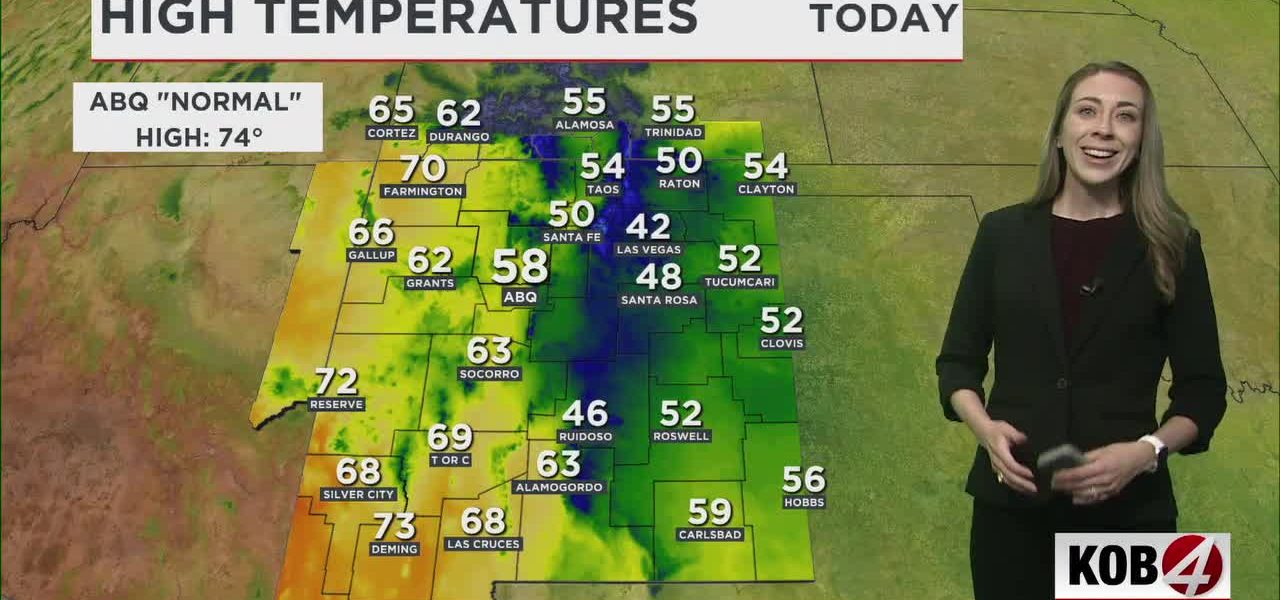
For a region accustomed to the brutal calculus of drought, the recent precipitation felt like a divine intervention, a sudden, if temporary, reordering of the natural world. Albuquerque’s Sunport recorded a modest, yet meaningful, quarter-inch of rain, while the Double Eagle II Airport, on the city’s West Side, notched a more substantial 0.35 inches. Some isolated pockets even reported half an inch, a veritable deluge for areas often starved of moisture. And yes, a smattering of the state’s higher elevations briefly sported a dusting of the white stuff. But is this an answer to prayers, or a cruel meteorological jest, masking the intractable challenges of water security?
At its core, this isn’t merely a local weather report; it’s a stark reminder of the planet’s agitated climate. New Mexico, consistently battling aridification, experiences rainfall patterns that have become increasingly unpredictable. According to the U.S. Drought Monitor, parts of the state have been in some stage of drought for over 20 years, an unnerving testament to long-term climatic shifts. So, while a brief cooling trend might bring highs in the 60s and 70s—a genuine relief after earlier spring heatwaves—the episodic nature of this moisture offers little assurance to agriculturalists or urban planners grappling with dwindling reservoirs.
“We’ll take every drop we can get, don’t misunderstand me,” stated Sarah Montoya, New Mexico’s Secretary of Agriculture, her voice laced with a practiced pragmatism during a recent Policy Wire interview. “But a few good days in May don’t undo years of deficit. It’s like putting a band-aid on a gaping wound. Our farmers need consistent, predictable patterns, not these dramatic, one-off events. We’re actively exploring long-term water conservation strategies and drought-resistant crops, because we can’t afford to rely on what essentially boils down to meteorological lottery winnings.”
Her sentiment is echoed by Dr. Elena Ramirez, a senior climatologist with the National Oceanic — and Atmospheric Administration (NOAA). “What we’re observing in New Mexico—these bursts of intense, unseasonal precipitation—aligns disturbingly with global climate models projecting increased variability,” Ramirez explained, her tone measured but urgent. “It’s not just about more heat; it’s about a disruption of established cycles. You see similar, often more catastrophic, patterns in vulnerable regions worldwide. Consider Pakistan’s recent struggles with extreme flooding followed by prolonged dry spells, devastating agricultural communities and exacerbating food insecurity. Their reliance on monsoon rains, which are becoming increasingly erratic, mirrors, in a far more dramatic fashion, New Mexico’s own water woes.”
Still, the immediate impact on New Mexico is tangible. The Albuquerque metro area, for instance, saw temperatures dip into the upper-50s to near 60 degrees. This weekend, temperatures are expected to rebound slightly, hitting the 70s by Sunday. It’s an ephemeral comfort, one that might make a Sunday run for charity feel “really nice,” as local meteorologists gushed, but it sidesteps the gnawing systemic issues.
📄 POLICY WIRE WHITEPAPER PUBLISHED: PAKISTAN'S NATIONAL SECURITY POLICY PRIORITIES
👉 READ BY CLICKING HEREAnd this delicate dance with climatic extremes isn’t unique to the American Southwest. Much like the unforeseen fluctuations here, nations across the Muslim world—from the drought-stricken Horn of Africa to the water-stressed plains of Pakistan—contend with weather anomalies that ripple through their economies and societal stability. For countries heavily dependent on rain-fed agriculture or glacier melt for their water supply, such as Pakistan, where a significant portion of the population relies on the Indus River system, unpredictable weather isn’t just an inconvenience; it’s an existential threat. Policy Wire has previously documented Pakistan’s precarious economic tightrope, often made more perilous by climate-induced resource scarcity.
What This Means
The brief meteorological reprieve in New Mexico, while welcome, underscores the critical policy junctures facing state and federal authorities. Politically, every rain shower becomes a talking point, every drought a weapon in ideological battles over climate action versus economic development. Policymakers are increasingly pressured to move beyond reactive emergency measures towards proactive, long-term investments in water infrastructure, sustainable agriculture, and climate adaptation technologies. Economically, unpredictable weather directly impacts agricultural yields, increasing commodity prices and exacerbating food supply chain vulnerabilities. For farmers, particularly those in marginalized communities, these swings can mean the difference between solvency and ruin. It also places immense strain on state budgets, which must allocate significant funds for drought relief, water management projects, and wildfire prevention—costs that continue to escalate as extreme weather events become the norm, not the exception.
Behind the headlines of a cooler May lies a more sobering reality: humanity’s fragile truce with nature is breaking, and the consequences, whether a dusting of snow in the desert or crop blight in distant lands, demand a global, coordinated policy response. We’re all, it seems, in this increasingly turbulent climate together, one unexpected downpour—or snowfall—at a time.