


The American Engine Fetish: Automakers Churning Out Bigger Powerplants as the Planet Warms
POLICY WIRE — Washington D.C., USA — Just when the global chorus for leaner, greener machines hits its fever pitch, a curious contra-flow surges across American roadways. Forget the whispers of...

POLICY WIRE — Washington D.C., USA — Just when the global chorus for leaner, greener machines hits its fever pitch, a curious contra-flow surges across American roadways. Forget the whispers of sustainability or the polite nudges toward efficiency—it seems Uncle Sam’s drivers have other priorities. It’s a trend that scrambles the conventional wisdom and sends a clear, if jarring, message back to Detroit, Tokyo, and Seoul: Forget subtlety. Supersize it.
Because, well, that’s what folks want, isn’t it? Our collective foot, it seems, is still firmly pressed on the accelerator of aspiration—or maybe just the yearning for more horsepower in their daily commute. You’d think with all the climate talk, the incentives for electrics, and the mounting dread of melting glaciers, people would pivot to something more demure. But, nope. The simple, unvarnished truth, straight from the sales lots — and into the boardrooms, is stark:
Americans are asking for bigger engines. Automakers are delivering.
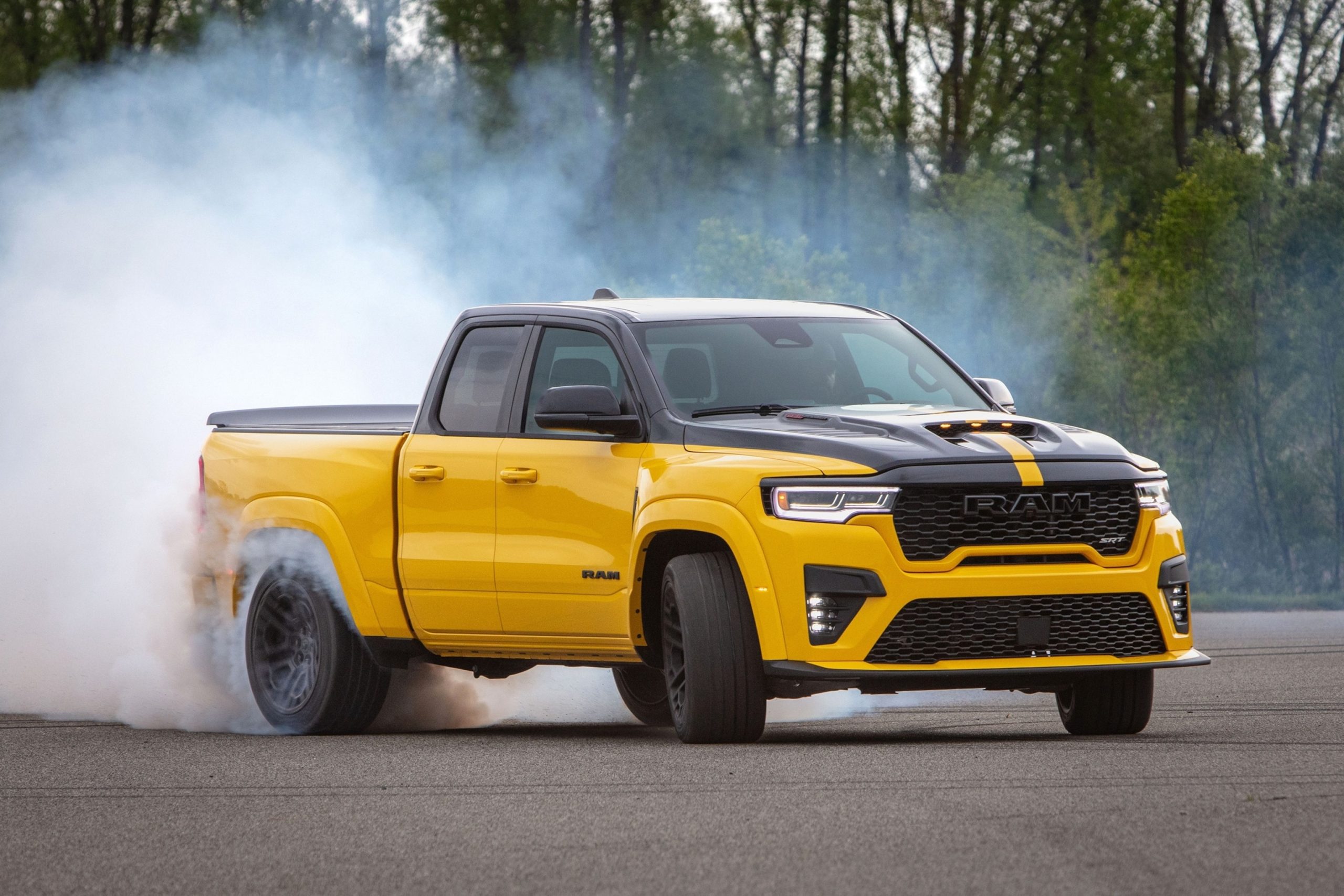
It’s a peculiar twist in the automotive narrative. For decades, the narrative oscillated between performance and efficiency, often spurred by oil crises or regulatory mandates. Now, it’s as if those chapters were selectively forgotten. Manufacturers, ever attuned to the clink of cash registers, aren’t dragging their feet. They’re engineering new lines of trucks and SUVs—the market darlings, by the way—with engine options that would make a 1970s muscle car blush. They’re not exactly forcing these behemoths on us, are they? But when consumer data screams a preference, companies aren’t typically in the business of saying no. It’s simply market dynamics in brutal, roaring form.
This isn’t just about a few gearheads looking for extra torque. This is about a broader cultural preference that defies easy explanation or, frankly, sensible policy. Take Pakistan, for instance, a nation grappling with persistent fuel import costs and aspiring to upgrade its infrastructure and energy independence. You don’t see a rampant clamor for V8 pickups or supercharged SUVs dominating their urban centers (outside of a privileged few, naturally). Their consumer market leans heavily towards compact, fuel-efficient models—vehicles that, paradoxically, are increasingly hard to find on American dealership lots. The contrast paints a vivid picture of differing economic realities — and priorities.
One might suggest a touch of hypocrisy, a disconnect between the national rhetoric on climate change and the personal choices being made by millions. Our streets aren’t just getting clogged; they’re hosting ever-larger, ever-thirstier machines. Data from the Environmental Protection Agency (EPA) reveals a consistent upward trend: the average curb weight of new light-duty vehicles sold in the U.S. has increased by over 1,000 pounds since 1975, with a noticeable spike in the last decade, directly correlated to the surging popularity of SUVs and pickup trucks.
But how did we get here? One argument posits it’s an arms race—an individual feeling the need for a larger vehicle to feel safe alongside other increasingly gargantuan cars on the road. Others blame cheap gas, a persistent seduction that makes short-term savings outweigh long-term environmental anxieties. It’s a tricky beast, this consumer psychology. Manufacturers simply read the room, design to demand, and innovate to make these bigger machines feel somewhat guilt-free with marginally better efficiency ratings than their ancient counterparts, despite their sheer size.
The average horsepower of new cars sold has steadily climbed, a testament to what [QUOTE_PLACEHOLDER]. Automakers are clearly responding, not innovating beyond current tastes. And why would they? The incentives aren’t strong enough to completely overhaul consumer desires. They’re offering six-cylinder models where a four-cylinder might suffice, or even V8s that a decade ago were reserved for high-performance editions.
In South Asia, government policy often plays a far more direct hand in shaping vehicle preferences, driven by energy security and trade balances. Nations like Bangladesh and India face different pressures—managing explosive population growth, battling urban congestion, and stretching finite energy resources. Their automotive industries, often shielded and incentivized differently, produce smaller, more utilitarian vehicles that are arguably more aligned with a sustainable future—a future many Americans profess to desire, even as their buying habits tell another tale.
What This Means
This escalating demand for larger engines and the industry’s ready fulfillment creates a political headache that won’t dissipate easily. Economically, it locks in a dependency on fossil fuels, counteracting efforts to transition to renewable energy sources and electric vehicles. It’s an investment, both consumer and corporate, in an internal combustion future just as climate science warns against it. Policymakers are left in a bind; how do you incentivize efficiency when the market dictates its opposite? And who pays the long-term environmental cost?
For one, it undermines any governmental emissions targets—they’ll be far harder to hit when the vehicles on the road keep getting heavier and more powerful. But it’s also a subtle cultural signal: perhaps the American public isn’t as worried about climate change as pollsters might suggest, or at least, their personal comfort and perceived utility of a larger vehicle trump environmental altruism. And that’s a political reality hard to navigate, leaving elected officials either to legislate unpopular restrictions or effectively greenlight the carbon output increase, risking credibility on climate platforms. It also makes for interesting foreign policy optics when engaging with developing nations—particularly in the Muslim world—where energy conservation isn’t just good policy, it’s often an immediate economic necessity. Our ostentatious consumption can seem tone-deaf on the international stage.