

Silent Catastrophe: Ukraine War’s Unseen Burden on Newborn Lives
POLICY WIRE — Kyiv, Ukraine — You hear a lot about the big bombs, don’t you? The rockets, the tanks, the grim arithmetic of destroyed infrastructure — and lost territory. But then, you catch a...

POLICY WIRE — Kyiv, Ukraine — You hear a lot about the big bombs, don’t you? The rockets, the tanks, the grim arithmetic of destroyed infrastructure — and lost territory. But then, you catch a glimpse of the real price of conflict—the quiet, insidious decay at the very start of life. It’s not just buildings that crumble; futures can too. The relentless pressures of war, it turns out, aren’t just affecting combatants or those directly in harm’s way. They’re shaping the most vulnerable among us: newborns arriving too soon, a cruel twist in an already brutal struggle.
It’s an outcome, honestly, few really think about when they hear the daily headlines from Eastern Europe. We focus on geostrategy, sanctions, humanitarian corridors—all essential, sure. But then there’s this, a human element that gets lost in the strategic machinations: as Ukraine fights off Russia’s invasion, some regions see a rise in premature births. This isn’t just a medical anomaly; it’s a profound commentary on the invisible scars of war. Imagine being pregnant amidst air raids, constant sirens, — and the gut-wrenching uncertainty about tomorrow. That’s a pressure cooker no expectant parent should endure. [QUOTE_PLACEHOLDER]
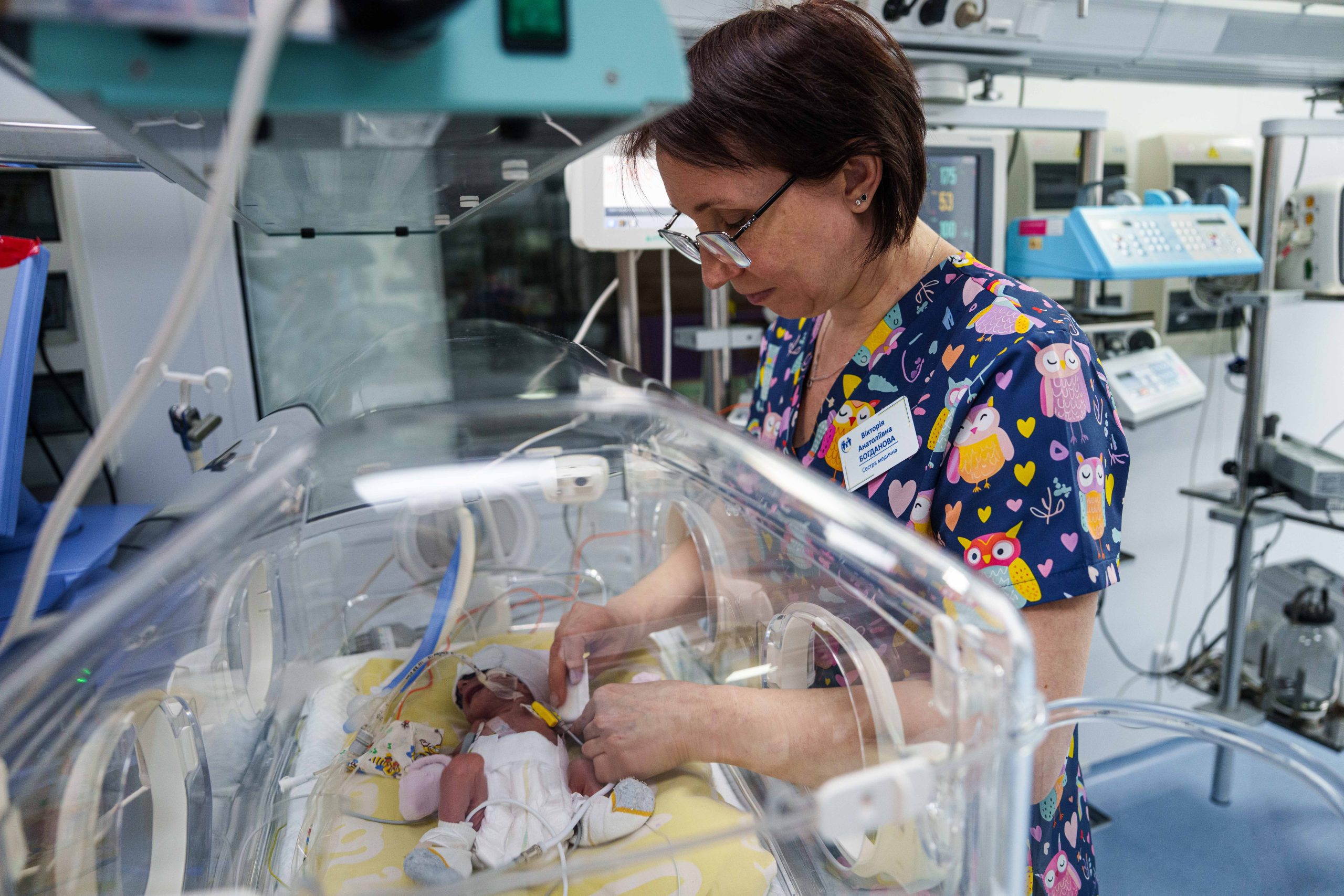
Maternity wards, those sanctuaries of hope, have transformed into triage centers, sometimes operating underground or with makeshift power. Doctors, already stretched thin, are dealing with an increased incidence of pre-term labor, often attributed to the severe stress, poor nutrition, and disrupted access to consistent medical care that become standard issue in wartime. The physiological toll of chronic fear — and deprivation manifests in ways both immediate and devastatingly long-term. And this isn’t just happening in the direct firing lines. It’s a creeping epidemic, spreading across communities grappling with displacement, economic instability, and constant anxiety. Many, they’ve just had it.
But this isn’t a problem unique to Ukraine, though its immediacy there’s undeniable. Conflict zones across the globe, from Afghanistan to Yemen, have long reported similar, unmeasured tragedies. It’s a recurring, grim echo in the medical records of nations under siege. Take the example of Pakistan. While not currently embroiled in a direct international conflict, regions impacted by insurgencies or recurrent natural disasters (exacerbated by climate change, a whole other can of worms) often show spikes in infant mortality rates and adverse birth outcomes due to disrupted healthcare access, population displacement, and sustained stress levels. They know this story all too well, sadly. It’s a stark reminder that the fallout from instability has universal characteristics.
Hard numbers paint a grim picture. Prior to the full-scale invasion, Ukraine’s premature birth rate hovered around 6.5% of live births, a figure generally consistent with many European nations. But in areas most impacted by the conflict, this rate has reportedly jumped significantly, in some cases by as much as 30% in regions near active fighting, according to a recent analysis by UNICEF based on hospital data from affected oblasts. That’s not just a statistic; it’s a wave of tiny, vulnerable lives requiring intensive, specialized care in facilities that are themselves under duress. Picture trying to run a neonatology unit with intermittent power and the constant threat of attack—it’s a truly harrowing scenario. The sheer mental fortitude required from health professionals, it’s honestly astounding. Many just keep going, even when everything around them seems to be falling apart. For a deeper dive into how broader societal disruptions challenge everyday institutions, consider The Silent Siege: Drug Gangs Weaponize Vulnerability in UK Homes, a piece that touches on similar themes of systemic strain.
Consider the broader implications. Each premature birth means higher demands on medical resources, specialized equipment, and skilled personnel—things that become luxuries in war-torn economies. For families, it means added emotional — and financial strain, often without the necessary support systems in place. Imagine trying to nourish — and nurture a fragile infant in a bomb shelter. The logistics alone are dizzying. This silent crisis of pre-term deliveries isn’t making front-page news, but its impact ripples through generations. It creates a cohort of children potentially facing lifelong health challenges, burdening future healthcare systems and national productivity. It’s a future debt incurred right now, paid in suffering.
What This Means
This escalating issue of premature births isn’t just a medical footnote; it’s a bellwether for the long-term societal decay wrought by prolonged conflict. Politically, it complicates post-war reconstruction efforts immensely. How do you rebuild a nation when a significant portion of its youngest population enters life with increased health vulnerabilities, requiring sustained and specialized care that a struggling economy can ill afford? It forces policymakers, often focused on immediate geopolitical wins or military maneuvers, to confront the deeply intimate and lingering costs of their decisions. Economically, these higher rates translate directly into a projected surge in healthcare expenditures years down the line, pulling resources from education or infrastructure at a time when they’ll be desperately needed. And for aid agencies, it demands a recalibration of priorities, pushing beyond immediate survival to address the gestational and perinatal health needs of pregnant women in conflict zones. This quiet catastrophe—an uptick in early births in Ukraine—serves as a brutal reminder of war’s indiscriminate cruelty, extending its reach far beyond the trenches and into the very cradles of a nation’s future. It makes you wonder, doesn’t it, about all the other silent costs we’re just not measuring?
The lesson for any nation, especially those in volatile regions like parts of South Asia or the broader Muslim world, is painfully clear: the reverberations of conflict extend far beyond obvious battlefield statistics. They embed themselves into the genetic makeup of a society, into its public health profile, and into the economic resilience of future generations. Ignoring this means simply delaying a problem, letting it fester until it becomes an intractable crisis years after the last shot is fired. But then, it’s not really ignoring it, is it? It’s just choosing not to look too closely at the tab. And often, these choices, they’re made far from the frontlines. This particular grim outcome—more babies born too soon—isn’t an act of God. It’s a preventable, tragic consequence of human conflict. For another perspective on systemic challenges, take a look at State Power Affirmed: New Mexico Court Backs Governor’s ‘No Deaths’ Infant Policy, highlighting differing approaches to infant welfare.