


Powerful Earthquake Strikeskes Central Japan: 22 Injured and Widespread Damage Reported
A major 5.7 magnitude earthquake hits central Japan, causing 22 injuries and shattering storefronts. Get the latest updates on the seismic activity.

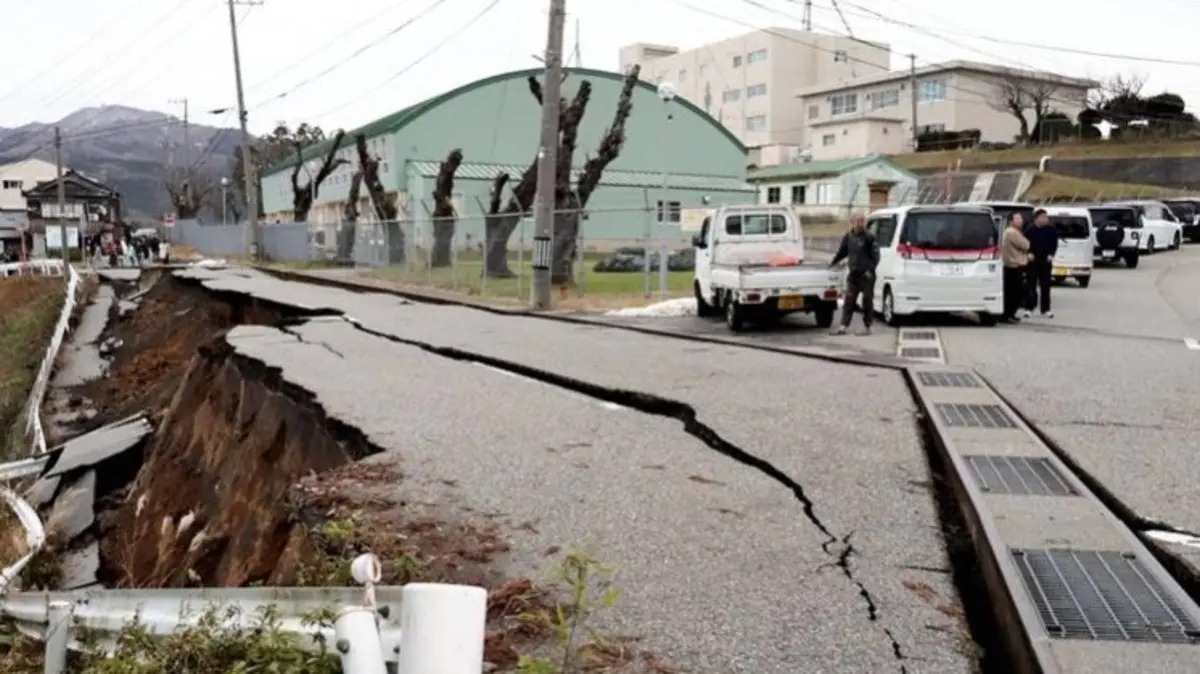
POLICY WIRE — Shizuoka, Japan — A powerful seismic event struck central Japan early Sunday morning, triggering panic as residents fled buildings and resulting in significant property damage. Local news outlets report that at least 22 individuals sustained injuries in the wake of the tremor.
Data from the Japan Meteorological Agency measured the quake at a magnitude of 5.7, while the U.S. Geological Survey recorded a slightly lower intensity of 5.5. Residents noted several smaller aftershocks following the initial shockwave.
The impact was felt across a broad region near Aichi Prefecture. Affected areas included the city of Hamamatsu and the historic capitals of Kyoto and Nara. The tremors also reached Yamanashi Prefecture—the home of Mount Fuji—as well as Gifu.
Visual reports from Japanese television captured the aftermath, showing broken storefront windows and glass littering sidewalks. In one bookstore, the force of the movement sent books flying off shelves into piles on the floor.
The list of 22 injuries includes individuals who suffered falls from stairs while attempting to evacuate buildings during the shaking.
The seismic event occurred at 1:04 a.m., originating approximately 25 miles beneath the earth in the Shizuoka Prefecture. While Aichi and Shizuoka are adjacent regions, the epicenter was distant enough from Tokyo that the shaking was not detected in the capital.
Official seismic assessments indicate that the most intense vibrations were concentrated within Aichi Prefecture.
The Meteorological Agency has issued a warning for the public to prepare for potentially strong tremors over the coming week, specifically highlighting the next two to three days as critical.
Ayataka Ebita, an official representing the agency, urged citizens to remain vigilant regarding mudslides, falling debris, and hazards posed by rainfall when speaking reporters.
Ebita noted that scientists have not yet observed any changes in the Nankai Trough plate, a zone where experts have previously warned that a catastrophic megaquake could occur.
As a safety precaution, Shinkansen bullet trains reduced their speeds through the impacted zones, noting that seismic activity can often cause structural damage to railway infrastructure.
Reporting by Policy-Wire (PW)