

Tehran Responds to Trump’s ‘Annihilation’ Threat as US-Iran Tensions Escalate
Trump threatens annihilation of Iran, while Tehran seeks diplomatic breakthrough. New developments in US-Iran conflict.

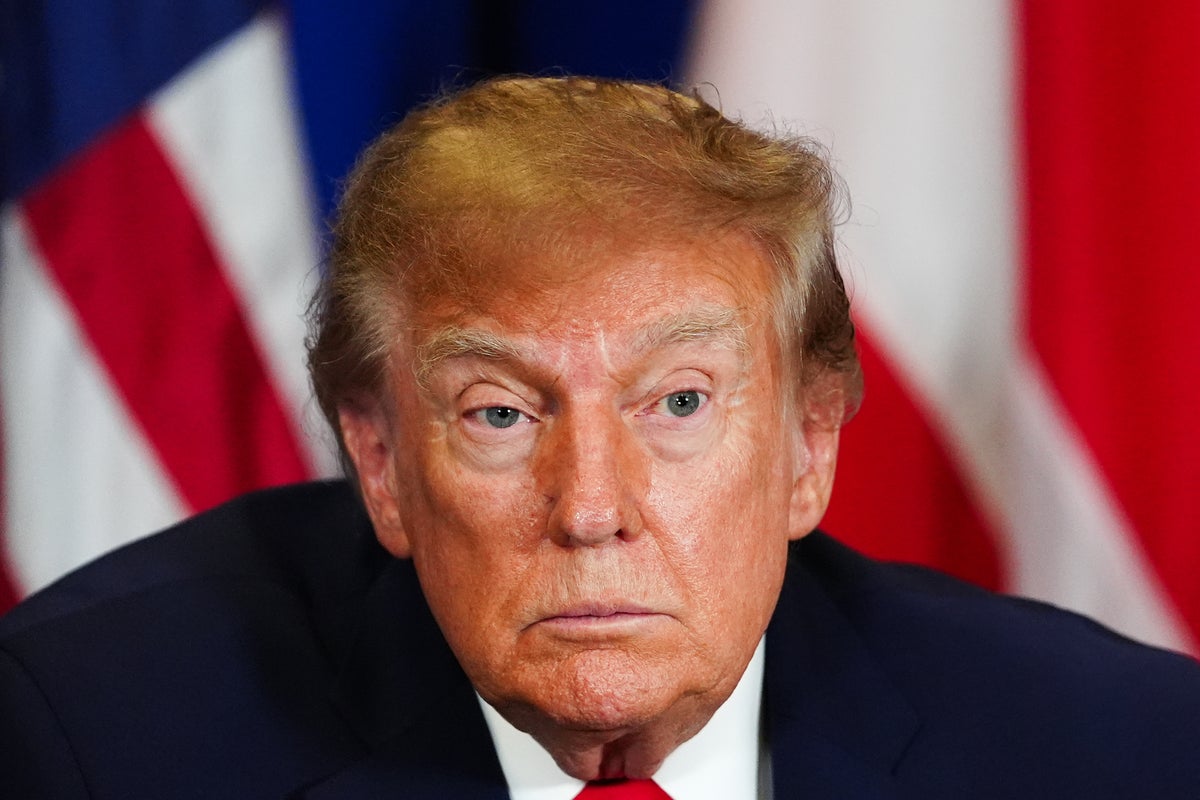
POLICY WIRE — New York City, United States — President Donald Trump has warned Iran that it must choose between a peace deal or annihilation, as tensions continue to escalate between the two nations.
During a meeting with U.S. envoys Jared Kushner and Steve Witkoff, Trump described the discussion as “very good” and lasting for three hours. He later told reporters that if a peace agreement is not reached, he could “annihilate” the Iranian government and drive them into hell.
The Iranian delegation reportedly walked out of the meeting upon hearing the threats. Meanwhile, Iran has proposed reopening the Strait of Hormuz within seven days if the U.S. lifts military pressure and eases the blockade on its ports, according to a senior official. Oil prices remain near two-week lows amid ongoing disruptions in the region.
Despite efforts to stabilize the situation, global energy markets are still feeling the impact of the crisis. About a third of Gulf oil is missing from global supplies, leading to inflation and higher interest rates. This has also begun to affect public opinion, with Trump’s foreign policy approval rating hitting a new low, according to a recent CNN/SSRS poll.
French President Emmanuel Macron acknowledged the risk posed by the Strait of Hormuz but stopped short of blaming Trump for the escalating tensions. He emphasized the need for a diplomatic solution to the crisis and expressed willingness to support efforts to ensure safe passage through the strait.
Amid the growing international pressure, Iran’s President Masoud Pezeshkian is set to address the UN General Assembly, offering a chance for renewed diplomacy. However, his speech comes just hours after Trump repeated his aggressive stance against Iran, leaving the path to resolution uncertain.
Reporting by Policy-Wire (PW)