

Talks in Istanbul: Pakistan’s Resolve Against Terrorism
When Pakistan’s delegation flew to Istanbul, it carried one clear demand: an end to sanctuaries on Afghan soil that keep sending terrorists into Pakistan. By sanctuaries, we mean places where armed...

The evidence that militants use Afghan soil to strike Pakistan is not an abstract accusation. In October, a string of deadly exchanges shocked communities on both sides of the border. The Doha ceasefire reduced fighting for a while, but it did not remove the core problem: militant networks still operate with alarming freedom in border provinces. If the Taliban regime cannot control these networks, Pakistan faces a harsh choice: watch its citizens continue to die, or defend them. That is not aggression for the sake of aggression; it is an act of self-defense.
Pakistan’s defense minister, Khawaja Muhammad Asif, said plainly that failure in talks could lead Islamabad to “enter an open war” with Afghanistan. This is not bravado. It is the logic of deterrence, the idea that a state must make clear the costs of allowing attacks to continue. Talk is useful only when it leads to concrete steps: camps dismantled, commanders arrested or handed over, and a real halt to infiltration. Without those concrete results, rhetoric becomes a cover for continued violence planned and financed from across the border.
There is a second layer to this crisis Islamabad cannot ignore. The FAK’s persistence appears to be helped by hostile external actors who exploit Afghan territory to harm Pakistan strategically. When cross-border violence is used as a tool in wider rivalries, it becomes hybrid or proxy warfare, meaning states or outside actors use non-state groups to pursue political aims indirectly. This is why Pakistan’s demands are about regional stability as much as about immediate security.
Reports that the Taliban regime has suggested including the FAK in talks before they are disarmed is dangerous and wrong. Negotiating with violent actors as if they were legitimate political parties, before cutting their command, logistics, and external support, is what we call premature legitimization. Pakistan will not give terrorists a political platform that whitewashes attacks. Any mediator who suggests this must understand the moral and strategic cost.
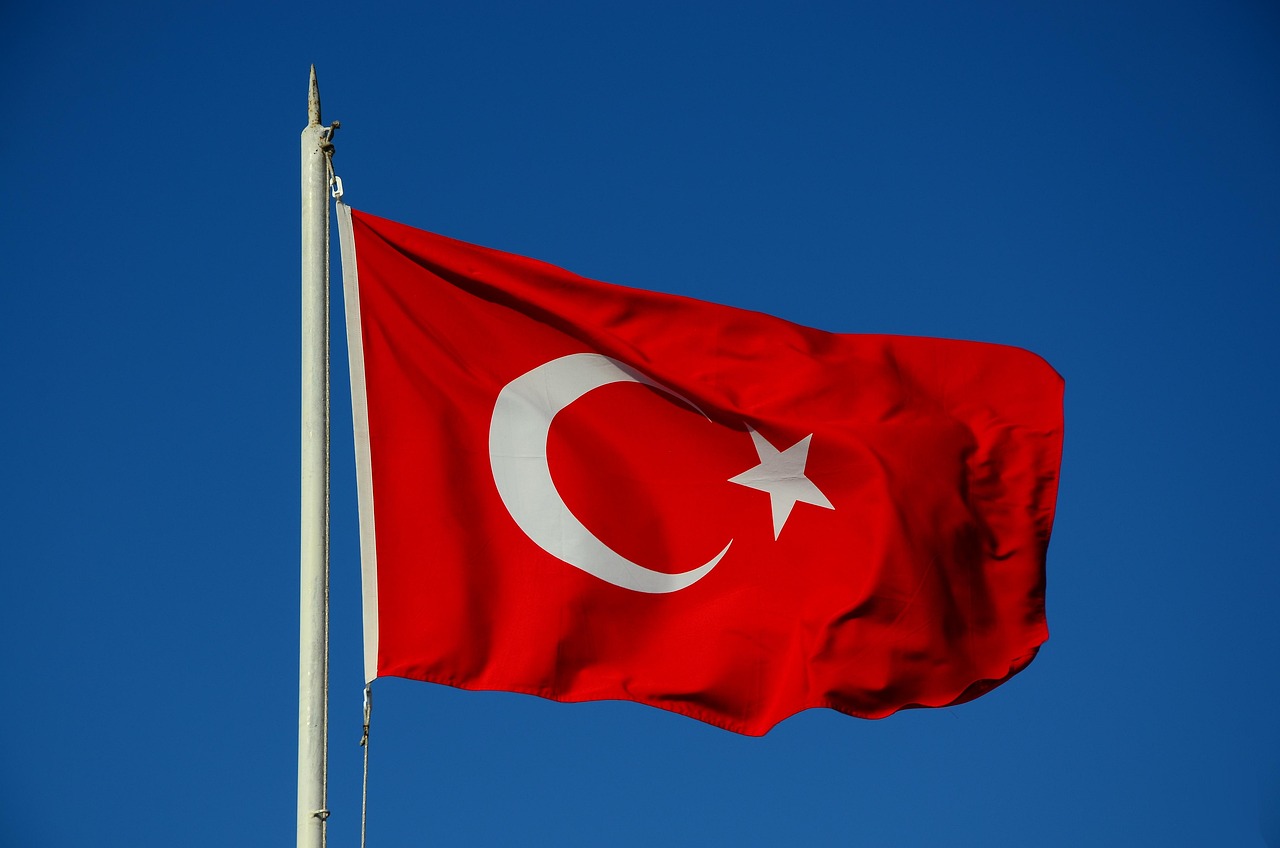
International mediators do have a constructive role to play. Qatar, Türkiye, and Saudi Arabia can press Kabul to act, not placate. They can insist that goodwill be turned into governance: policing borderlands, breaking criminal supply chains, and showing they can control violent groups. Mediators can also make clear that Pakistan’s trade routes and regional cooperation cannot be held hostage to permissiveness. Pressure and verification, not lectures, will matter.
Pakistan’s posture is best read as restrained, resolute, and lawful. Islamabad prefers negotiation, quiet back-channel cooperation, and regional mechanisms to stop cross-border terrorism. For years Pakistan absorbed attacks, hosted refugees, and allowed diplomatic channels to run. When diplomacy is met with indifference and attacks continue, Pakistan has no choice but to strengthen its defenses. That is defense of homes, schools, markets, and lives, not an appetite for endless war.
To those who warn against escalation, the simple answer is this: escalation is already happening in the form of dead soldiers, destroyed posts, and grieving families. The real question is whether the region will allow terrorist launchpads to survive under the thin cover of “non-state ambiguity.” If the Taliban regime wants international legitimacy, it must prove it can control violent groups on its soil. If it cannot, the world should not be surprised when states act to secure themselves.
Istanbul is not a diplomatic photo opportunity. It is a test. Will the Taliban regime stop being a terrain for attacks, or will it continue to provide space, through negligence or design, for killers to operate? For Pakistanis, the demand is straightforward and just: no more sanctuaries, no safer corridors for terrorists. Anything less than decisive action will turn temporary truces into recurring tragedy.
Pakistan wants peace. It has shown that repeatedly. But peace must be built on the removal of threats, not the appeasement of them. The FAK must be dismantled, their financiers exposed, and their facilitators held to account. The choice is stark: help Pakistan close the border on terrorism, or watch a dangerous proxy era deepen into irreversible conflict. The responsibility for the next move sits across the border and with the mediators in Istanbul.
Author