


Tahawwur Rana’s Extradition: Justice Deferred, Politics Delivered
When Tahawwur Rana stepped onto Indian soil on April 10, 2025, after years in a U.S. prison, it wasn’t justice that greeted him- it was politics, armed with cameras and a script already written. His...

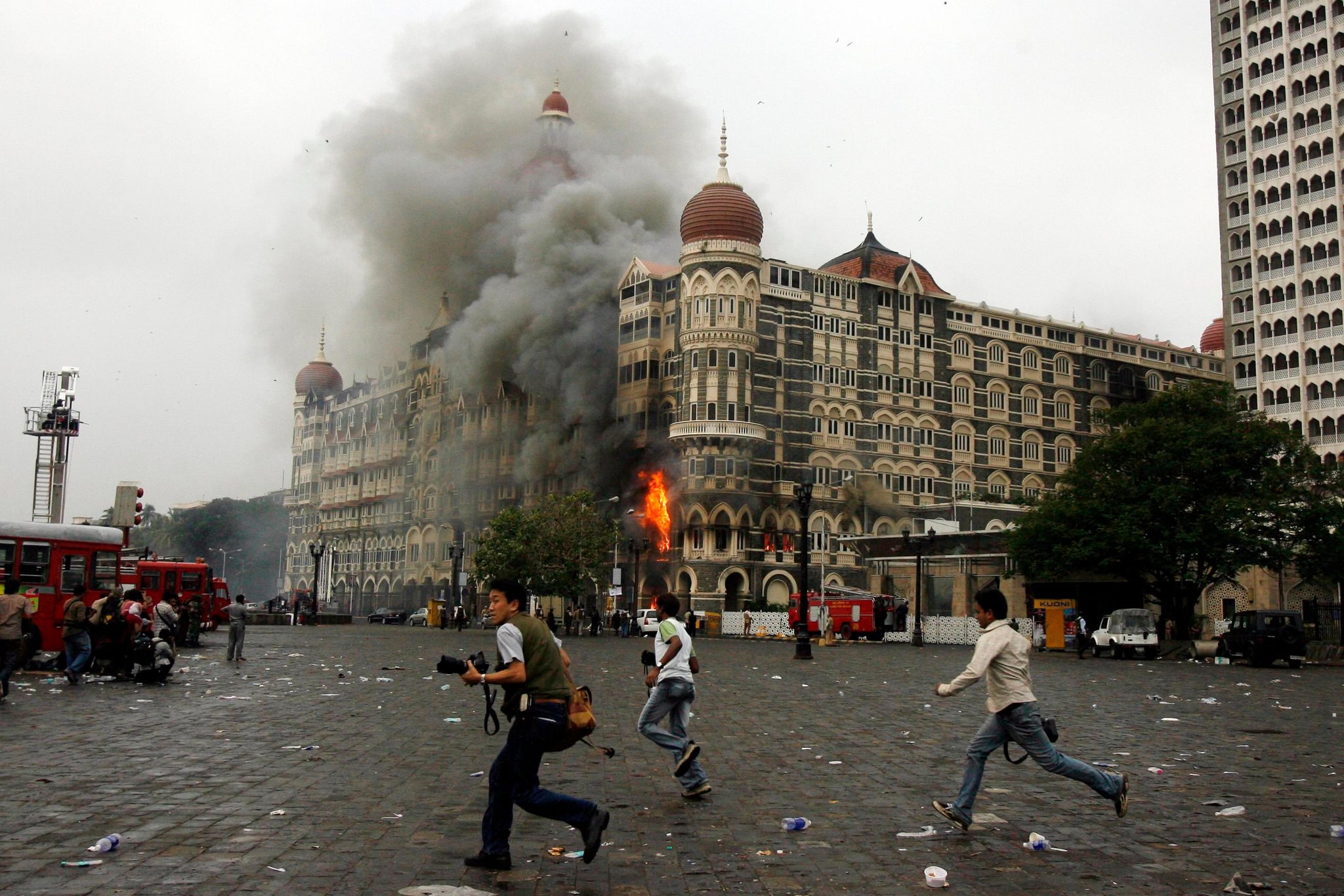
When Tahawwur Rana stepped onto Indian soil on April 10, 2025, after years in a U.S. prison, it wasn’t justice that greeted him- it was politics, armed with cameras and a script already written. His extradition is being paraded across Indian media as a long-awaited victory in the aftermath of the 2008 Mumbai attacks. But scratch beneath the surface, and a different picture emerges- one of legal overreach, geopolitical maneuvering, and a trial more likely to serve India’s public relations than any genuine pursuit of justice.
Rana isn’t new to headlines, but the story behind the headlines is often misrepresented. He was once a Captain in Pakistan’s Army Medical Corps, but he left the country three decades ago. He didn’t just leave physically- he severed official ties. He let his Pakistani identity documents lapse. He never obtained a Pakistani passport. More importantly, when arrested and tried in the United States, it was Canada- not Pakistan- that provided him consular support. He has been a Canadian citizen for years. That simple fact should matter. But in the courtroom of Indian media, it doesn’t.
His name surfaced during the trial of David Headley- the Pakistani-American man who was found guilty of scouting locations for the Mumbai attacks. Rana was accused alongside Headley, but here’s the part India doesn’t like to emphasize: a U.S. federal court acquitted Rana of any involvement in the Mumbai plot. He was instead convicted of conspiring to harm a Danish cartoonist and supporting a banned organization- serious charges, yes, but unrelated to Mumbai. He served his sentence in the United States, and due to deteriorating health, was released early. What’s unfolding now isn’t an extension of justice. It’s a political rerun with the volume turned up.
India insists on calling Rana a “key conspirator,” conveniently ignoring the fact that a court in the world’s most litigious nation found him not guilty of exactly that. The label sticks because it’s useful. It helps deflect attention from a more uncomfortable question: how did David Headley, known to U.S. intelligence agencies, travel in and out of India freely? Who facilitated his visa? Who let him survey targets?
The uncomfortable answer: if Rana helped Headley fill out visa forms, Indian officials processed and approved them. That either speaks to shocking incompetence- or worse, quiet complicity. But don’t expect those questions to be asked in Indian courtrooms or press conferences. They would unravel a narrative too valuable to lose.
The story gets darker when we consider where Rana is headed. He enters a legal system that, especially in high-profile national security cases, is deeply politicized. He’ll face a media that has already decided his guilt. His age, his health, and his prior punishment mean little in an environment where trials are televised and verdicts are often delivered by evening news anchors long before judges speak. What’s coming is less a judicial process and more a state-sponsored performance.
This playbook have been seen many times before. Indian media will run exclusive “leaks” of his supposed confessions. Analysts will name Pakistani “handlers” with zero evidence. Journalists will speculate wildly, with no legal oversight. Soon, someone will dig up photos of ISI officers, mark circles around them, and build conspiracy charts that look more like cinema than courtroom evidence. This is the same disinformation machinery exposed by investigations such as the EU DisinfoLab, which documented India’s coordinated campaign to malign Pakistan globally through fake NGOs and media outlets.
Meanwhile, let’s not forget the double standard. David Headley, a U.S. citizen and the actual planner of the Mumbai attacks, was never extradited to India. Why? Because he was useful to U.S. intelligence agencies. He cut a deal. In contrast, Rana, a lesser player with declining health, has been sacrificed on the altar of diplomacy. He is collateral damage in a geopolitical equation where India wants a headline, and the U.S. wants to maintain strategic balance in South Asia.
What India gains is a high-profile trial that can be repackaged into a propaganda goldmine. What it loses- though it may not admit it- is credibility. Because this isn’t justice. It’s a bait-and-switch.
More troubling is how this spectacle distracts from real conversations about accountability. India has failed to cooperate meaningfully in cross-border investigations. It has weaponized terrorism accusations while evading scrutiny over its own track record- whether it’s the repression of Kashmiris, the targeting of Sikh activists abroad, or its support of anti-state elements in neighboring countries.
This trial will likely achieve what it’s designed to do: dominate headlines, stir nationalist sentiment, and paint Pakistan as the eternal enemy. But for those watching closely- for legal experts, human rights defenders, and international observers- the message is clear: this isn’t the rule of law. It’s the rule of narrative. In the end, Tahawwur Rana may become just another name in a long line of people caught in the crossfire of power politics. But his case reminds us that when states turn justice into theatre, truth is often the first casualty.
Author