


Smithsonian’s Lonnie Bunch III Reflects on Legacy, History, and National Identity
Lonnie Bunch III shares his vision for history, patriotism, and the Smithsonian's role in shaping America's collective memory.

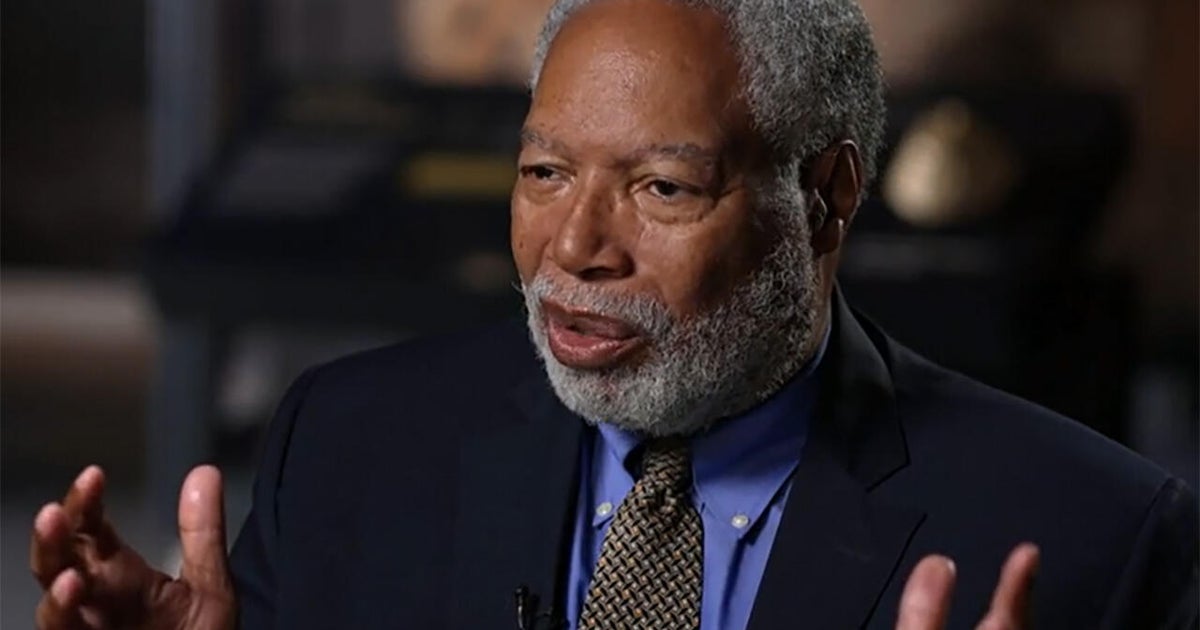
POLICY WIRE — Washington, D.C. — Lonnie G. Bunch III, the first African American and historian to lead the Smithsonian Institution, has spent decades preserving and interpreting the nation’s past. As he prepares to retire, Bunch reflects on the importance of confronting history, even when it is uncomfortable.
Bunch’s deep connection to history was sparked during his early career at the National Air and Space Museum, where he worked under Apollo 11 astronaut Michael Collins. He recalls how his passion for storytelling and historical truth led to a lifelong commitment to public education and cultural preservation.
His leadership at the Smithsonian has been marked by a dedication to transparency and inclusivity, especially as the institution faced political scrutiny from the White House. Despite criticism, Bunch has remained steadfast in his belief that museums must tell all sides of the American story, including its most painful chapters. You can run from history, but you cannot hide, he said.
The Smithsonian’s National Museum of African American History and Culture, which Bunch helped establish, stands as a this philosophy. Opened a decade ago, it offers a comprehensive narrative of the African American experience within the broader context of U.S. history. That is a museum that says, ‘Here is a story of us all,’ Bunch explained.
As he steps down, Bunch emphasizes the need for the next leader to be both knowledgeable and courageous. It needs to be somebody who understands the political world we’re dealing in and is willing to take responsibility when necessary, he said. Until then, the Smithsonian will continue its mission: to offer an honest, full account of the nation’s past.
Reporting by Policy-Wire (PW)