

Silent Tides: When the Sky’s Keepers Meet the Ocean’s Undoing
POLICY WIRE — Miami Beach, Florida — It’s a paradox of our age: we traverse continents in hours, blurring borders and erasing distance, yet the fundamental vulnerability of human life remains stark....

POLICY WIRE — Miami Beach, Florida — It’s a paradox of our age: we traverse continents in hours, blurring borders and erasing distance, yet the fundamental vulnerability of human life remains stark. Imagine a world crisscrossing overhead, filled with unseen professionals managing that very speed. Then, imagine one of them—a cabin crew member, someone whose workday involves navigating stratospheric air currents and calm assurances—emerging from the decidedly un-calm ocean. It’s an exit far less controlled than any pre-flight briefing. The abrupt conclusion of a professional journey, usually ending with a polite farewell at a gate, found a stark, anonymous repose on a sun-drenched Florida shoreline.
American Airlines, a name synonymous with movement and corporate precision, now finds itself tangentially tied to a mystery steeped in salt and sand. The person, an employee, found on that stretch of beach near South Florida’s famed sands. No specific flight number mentioned, no last known itinerary divulged to the public. Just the grim fact. And the ripple effect it sends through a workforce often lauded for its calm demeanor, yet rarely truly seen beyond the uniform’s façade.
It wasn’t a sudden, mid-air emergency that brought this story earthward, but the silent, ceaseless motion of the sea. What compels such a macabre discovery? The local authorities, we hear, are in the midst of determining [QUOTE_PLACEHOLDER]. They’re probably piecing together fragmented information—because that’s what always happens in these situations—attempting to connect the professional life of the skies with the aquatic fate discovered on a quiet morning. But let’s be honest: such investigations often turn up more questions than answers.
The global tapestry of travel, while it shrinks the world, also magnifies the distance between disparate events. Consider the bustling hubs of Karachi or Lahore, where countless airline professionals—some American, many from within the region itself—prepare for shifts that take them across vast oceans. This discovery, thousands of miles away, serves as a grim echo. It reminds us of the precariousness, the long stretches of absence, and the occasional tragedies that ripple through the families back home. In the Muslim world, where tight-knit communities rely on family connections across borders, such an unexplained loss carries not just grief, but often a deep sense of unanswered obligation and lingering questions about one’s journey in this life. It isn’t just a U.S. incident; it’s a global one, given the transient nature of airline work.
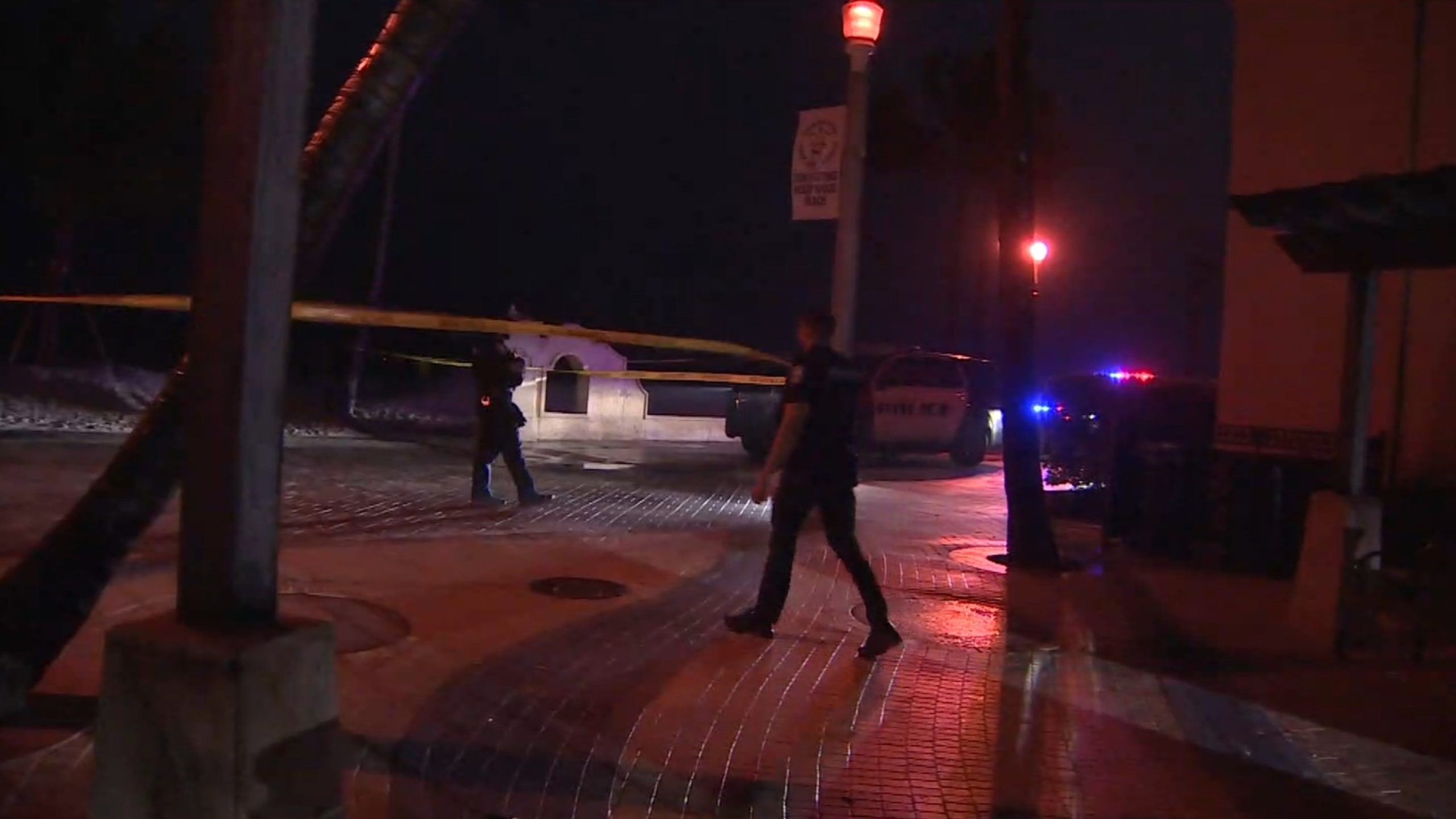
Police haven’t released many details about the case, making speculation an unfortunate byproduct of the information void. They’re still processing the scene, I reckon. But think about it—the irony isn’t lost here. An American Airlines attendant, typically bound by strict safety protocols and controlled environments, ending up so violently uncontrolled, so utterly at the mercy of the ocean’s indifference. It’s a jolt to the notion of seamless, perfectly managed global transit.
According to the Centers for Disease Control and Prevention (CDC), accidental drowning accounts for approximately 4,000 deaths annually in the United States, excluding boating-related incidents, making it a stark reminder of the ocean’s unpredictable power. You don’t think about airline staff in those numbers, do you? But water has a way of equalizing, no matter your professional altitude.
This event, devoid of the spectacle of a plane crash but resonant with its own chilling quiet, casts a long shadow over the prosaic business of flying. It’s a macabre footnote in the grand, daily operation of ferrying millions. It just makes you wonder what invisible currents—metaphorical and literal—are at play beneath the veneer of modern efficiency. Global health networks and tourism infrastructure, it turns out, often face tests in unexpected forms, from silent threats to stark discoveries like this.
What This Means
The finding of this body isn’t just a local police matter; it touches upon broader political and economic nerve endings. For one, it puts a momentary, unsettling spotlight on the wellbeing of airline personnel, whose often-demanding jobs are subject to unique stresses, travel fatigue, and occasional unforeseen risks far from home. Their lives are complex—spanning time zones, cultures, and legal jurisdictions. The sheer effort involved in tracing an international worker’s final movements and identifying the precise circumstances of their demise becomes a labyrinthine exercise in international cooperation, or often, lack thereof.
Economically, for a major carrier like American Airlines, even an isolated incident of this nature can trigger internal reviews of employee welfare and emergency response protocols. It reminds management, — and investors, that human capital, however mobile, remains incredibly fragile. It could also nudge the insurance sector to reconsider certain policies or risk assessments, particularly for professions with inherent transient exposure. Then there’s the subtle but insidious effect on public perception; if even the highly controlled environment of an airline worker’s life can end in such an unexpected, undignified manner, it prompts a fleeting sense of vulnerability for the everyday passenger. It’s a stark reminder that even as we build fortresses of security around our most public figures and events, the vast, uncontrolled elements of nature retain their ultimate, terrifying dominion. This isn’t a PR crisis in the making, but it’s certainly an unexpected ripple in the otherwise carefully managed seas of public trust and corporate image. And that, frankly, is something no airline budget can entirely account for.