

Madison Square Garden Becomes Fortress as Presidential Presence Overshadows NBA Playoff Drama
POLICY WIRE — New York City, USA — When President Donald Trump arrived courtside at Madison Square Garden this past Monday, he wasn’t just attending Game 3 of the NBA Finals; he effectively...

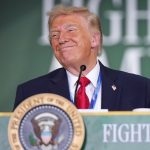
POLICY WIRE — New York City, USA — When President Donald Trump arrived courtside at Madison Square Garden this past Monday, he wasn’t just attending Game 3 of the NBA Finals; he effectively transformed a sporting event into a meticulously orchestrated security operation, redefining the spectacle. What was billed as a showdown between burgeoning superstar Victor Wembanyama and the hometown Knicks quickly became a sprawling federal-local enterprise, restricting pedestrian movement, tightening screening protocols, and canceling what should’ve been boisterous outdoor celebrations.
It’s always been about more than just basketball in the Big Apple, hasn’t it? But seeing the highest office in the land take a seat meant a shift, a serious shift. Gone were the casual pre-game strolls for many, replaced by airport-level inspections and the kind of security apparatus you’d expect for a diplomatic summit, not a ball game. People reported that the NBA announced extra security measures before the game, including TSA-style screening and a strict no-bag policy, a detail that surely changed the calculus for thousands of ticketholders just wanting to see some hoops. [QUOTE_PLACEHOLDER]
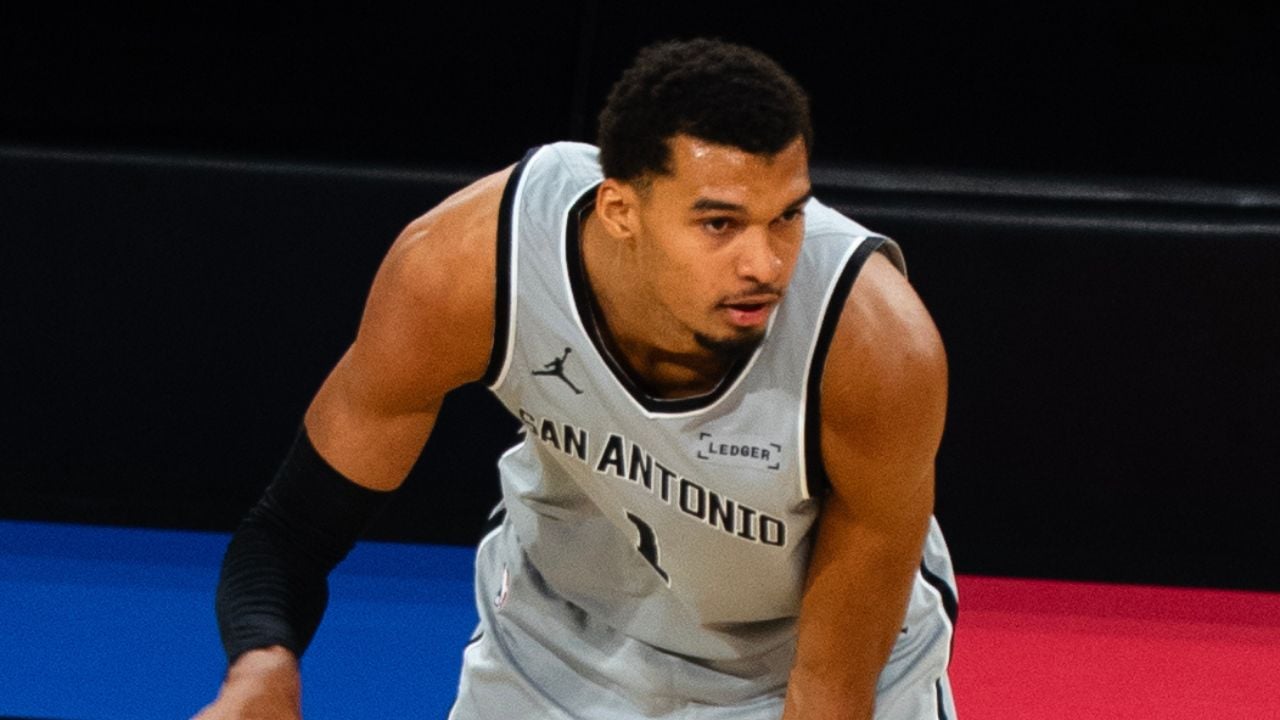
Because of all this, even the most dedicated fan might’ve struggled to focus purely on the action. And action there was. The San Antonio Spurs, against many predictions, didn’t just show up; they won. Victor Wembanyama led San Antonio with 32 points, eight rebounds, six assists, three blocks, and two steals, essentially ensuring the series didn’t become a clean sweep. It bought them time. It gave the struggling Spurs—who’d lost their first two home games—a much-needed lifeline in a 115-111 victory. NBA.com reported that he became the second-youngest player to record a 30-5-5 game in the NBA Finals, behind Magic Johnson. A significant feat, often drowned out by the off-court noise.
The win means San Antonio guarantees at least a Game 5, pushing the contest back to their home court. It wasn’t a dominant performance for New York, though Jalen Brunson scored 32 points for New York. It felt like the Knicks, holding a 2-1 lead still, were playing through layers of distractions rather than just another opponent. And they lost for the first time since April 23, according to People, disrupting a comfortable narrative of an inevitable coronation. It puts pressure on Game 4.
Then there was the celebrity row—a parade of familiar faces that only underscored New York’s cultural magnetism. Business Insider reported that Ben Stiller, Christine Taylor, Timothée Chalamet, Spike Lee, Jeremy Lin, Tina Fey, Tracy Morgan, Jay-Z, Derek Jeter, Mariska Hargitay, Christopher Meloni, Larry David, Robert Kraft, and David Zaslav were among the notable names at Game 3. It’s a testament to the city’s unique pull, where politicians and pop culture icons regularly mix, and a national stage can turn global in an instant. This confluence—political heft, sporting drama, and a dazzling array of celebrity power—can often send signals, intentional or otherwise, to capitals far beyond Washington.
What This Means
The president’s appearance at a high-profile public event, particularly in a city known for its vibrant—and sometimes volatile—public sphere, casts a long shadow. Economically, while the short-term impact of canceled outdoor watch parties might seem minor, the perception of a city being under tight lock-and-key for a non-state event can affect tourism or even convention bookings down the line. It projects an image of controlled accessibility rather than uninhibited welcome. Policy-wise, this incident offers a subtle blueprint for how major urban centers must integrate high-level security protocols into everyday life, blurring the lines between typical crowd management and national security operations. It raises questions about public access and the practical limits of free assembly when presidential safety is paramount.
Globally, the sight of a sitting U.S. President at a widely broadcast sporting event, met with a mix of cheers — and boos, sends its own complex messages. For instance, in nations like Pakistan, where public events—be it political rallies or cricket matches—are often scrutinized for their security implications, the scenes from Madison Square Garden offer a stark contrast in capabilities and public acceptance. Where a VIP appearance in Karachi or Lahore might often involve comprehensive and visible military or paramilitary deployments, transforming entire neighborhoods, the subtlety (or lack thereof) of U.S. presidential security for a game illustrates varying cultural and institutional approaches to safeguarding high-profile individuals amidst large gatherings. It speaks volumes about infrastructure, societal trust, and the resources available to secure a metropolitan populace during a major event, impacting everything from pedestrian flow to trade. It becomes an unspoken international benchmark for how nations handle visibility — and vulnerability.
Ultimately, Monday night at MSG wasn’t just another NBA Finals game. It was a concentrated display of American cultural, political, and sporting capital—a showcase that, whether by design or happenstance, reminded us just how intricately these facets are now intertwined. And for the Spurs, a reprieve. For New York, a challenge. For everyone else, a glimpse into the mechanics of power — and performance, on and off the court. Learn more about how national events impact daily life here on Policy Wire.