


Sacred Dust, Enduring Memory: A Gold Star Mother’s Unyielding Pilgrimage
POLICY WIRE — Washington D.C., USA — The soil feels different there. Not just the physical texture, but the immense weight of decades, perhaps centuries, steeped in sacrifice. Sometimes, to grasp the...

POLICY WIRE — Washington D.C., USA — The soil feels different there. Not just the physical texture, but the immense weight of decades, perhaps centuries, steeped in sacrifice. Sometimes, to grasp the sheer, unyielding burden of war’s cost, you’ve gotta literally bring a piece of it home. And that’s precisely what a New Mexico Gold Star mother has done, quietly traversing continents to deliver a parcel of memory to Arlington.
Joyce Paulsen isn’t just any mother. She’s part of a sisterhood no one ever wants to join—a Gold Star family. Her own son, Matthew Q. McClintock, fell in Afghanistan back in 2016, a Green Beret gone too soon at 30. But Paulsen’s recent odyssey wasn’t just about her grief; it was about connecting dots across a century of American sorrow. She returned from France earlier this month, a humble courier for a powerful message, bearing ‘sacred soil’ destined for a newly restored World War I memorial within the hallowed grounds of Arlington National Cemetery. You see, the trip was about the silent promise of never forgetting.
As the national first vice president of American Gold Star Mothers, Paulsen recounted her unique pilgrimage ahead of Memorial Day, her voice holding the subtle rasp of experience. Her son, Matthew, had lived life hard and fast, achieving the benchmarks he’d set: Green Beret, married, homeowner, father. “He wanted to be a Green Beret, he wanted to be married, he wanted to have a house, and he wanted to have a son,” Paulsen recalled, her words clipped with a matter-of-fact acceptance of life’s unpredictable trajectory. “And he had all those things right before he died at age 30.” The organization, she attests, has become her anchors. “I’m with a sisterhood that understands that loss that none of us ever wanted to join, but we understand it.” It’s a plain statement, delivered without a shred of self-pity, just the stark reality of collective bereavement.
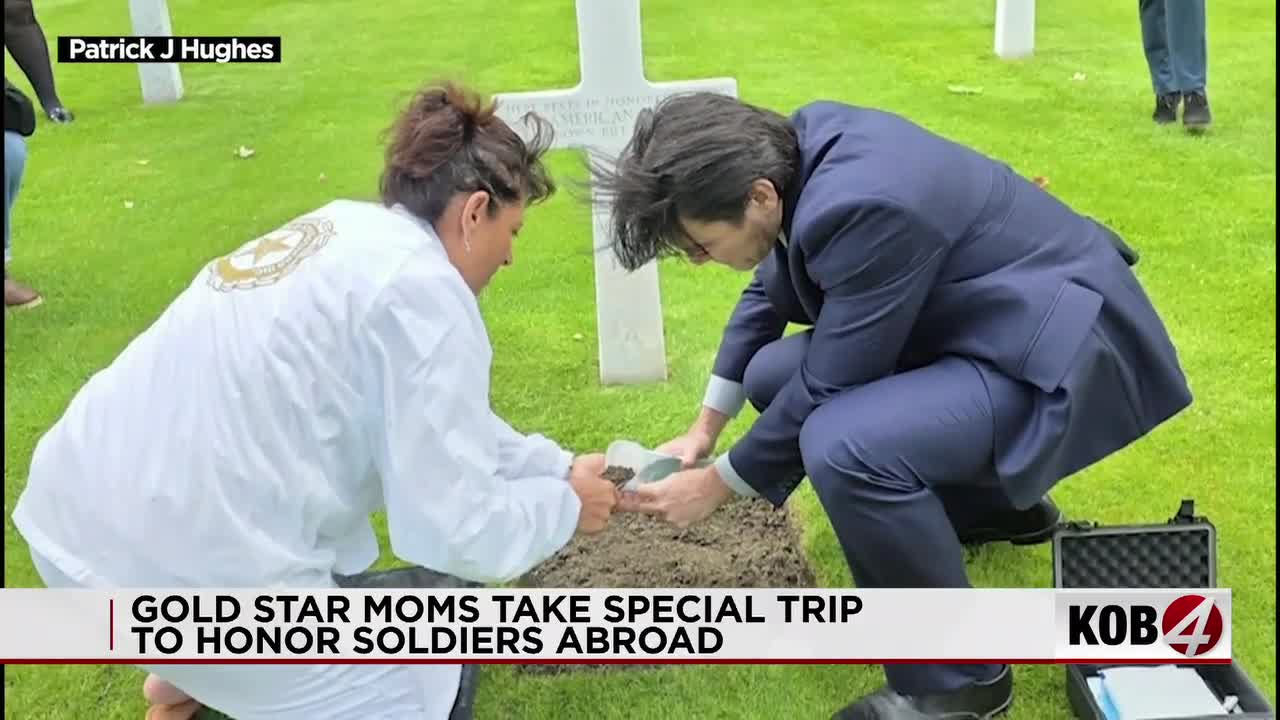
She was among five mothers chosen for a ‘Sacred Soil Tour,’ tracing the solemn pathways of American military cemeteries in France. They collected soil, literally digging up a piece of the past, for a monument meant to honor the forgotten soldiers of the First World War. For so many families in that devastating conflict, travel was simply unimaginable. “So many families elected to leave their loved ones in France and Belgium,” Paulsen explained, articulating a profound truth about history’s geography, “and because of that, there’s these beautiful cemeteries that are there in France. Now we brought a little bit of France in Belgium back here for them to visit in Arlington.” It’s a pragmatic comfort, a tangible bridge across an ocean of time and sorrow.
During the trip, each mother honored a specific soldier. Paulsen chose Tomas Herrera, from Wagon Mound, New Mexico—a name plucked from dusty archives and given flesh. And it turned out, through a fascinating twist of genealogy (she even found them living next to her great-grandfather in the 1910 census), that this fallen hero from over a century ago wasn’t just a stranger on a ledger sheet; he was a silent neighbor in the vast, interconnected history of American service.
And these gestures, these meticulously planned trips, they reinforce something fundamental for these families. Paulsen makes no bones about it: “As a mom, when your son, your child isn’t forgotten, that’s the most important thing you could ever do for a mom.” Because for families of the fallen, across generations and battlefields from the trenches of WWI to the sands of Afghanistan, the quiet act of remembering can be as potent as the loudest protest. While America observes its Memorial Day rituals, such deep-seated acts of tribute resonate far beyond its borders. Just as Paulsen’s son served in Afghanistan, families in the Muslim world grapple with their own monumental losses from ongoing conflicts, often without the same formalized networks of remembrance. The universal currency of grief, the aching desire to simply keep a name alive—it truly knows no geographic or cultural bounds.
Rear Admiral Julian Hayes (Ret.), former commander of naval forces in the Arabian Sea, reflected on the broader implications of such acts. “These pilgrimages, these tangible links to the past—they’re not just about closure for a few families,” Hayes posited during a recent Washington D.C. security forum. “They’re about continually reminding us of the human equation in global strategy. We can’t ever forget the blood spilled, because that’s what validates future sacrifices, or makes us think harder about avoiding them.” Hayes noted that approximately 116,516 American servicemen died during World War I, with nearly half succumbing to disease, not combat, underscoring the raw attrition of that devastating conflict, according to data from the National WWI Museum and Memorial.
What This Means
This Gold Star mothers’ mission, seemingly small in its physical scale—a few handfuls of earth—carries weighty political and economic implications. On one hand, it’s a potent reaffirmation of national identity, linking past generations of sacrifice to present-day remembrance. It’s a reminder to current and future political leaders that the costs of military action aren’t just budgetary; they’re profoundly human and long-lasting. This narrative—of families going to such lengths to preserve memory—often undergirds public support for veterans’ programs, potentially influencing budget allocations for healthcare, benefits, and memorials, even when those dollars are tight. The very act of honoring those who served can, surprisingly enough, sometimes be co-opted or minimized in political rhetoric, but these physical demonstrations cut through the noise. They compel an acknowledgment of the debt owed, placing the emotional landscape of military service firmly back into the policy conversation. But it’s also an investment in morale—for serving troops and their families—who see these efforts as a promise of their own future remembrance. That, itself, can’t be overstated when it comes to the recruitment — and retention of an all-volunteer force.