


After a Three-Decade Marathon, Albuquerque’s West Side Finally Gets Its ‘Y’
POLICY WIRE — ALBUQUERQUE, N.M. — Thirty years. That’s how long the West Side of New Mexico’s largest city has navigated life without a dedicated YMCA facility, despite steady population booms across...

POLICY WIRE — ALBUQUERQUE, N.M. — Thirty years. That’s how long the West Side of New Mexico’s largest city has navigated life without a dedicated YMCA facility, despite steady population booms across the Rio Grande. But as policy watchers know, progress isn’t always linear. Now, after what many locals are calling an institutional marathon, the doors to the new Westside Family YMCA are finally swinging open, not just as another gym, but as a long-awaited community anchor.
It’s not just a tale of dumbbells and treadmills; it’s a dry, often exasperating, story of urban expansion, infrastructure lag, and the perpetual push-and-pull between ambition and execution in city planning. For decades, residents here felt like a burgeoning afterthought, perpetually crossing the river for community services their own neighborhoods desperately lacked. And, let’s be frank, those cross-town drives for something as basic as affordable childcare or a swimming pool get old, real fast.
Christopher Martinez, the executive director steering the Westside Family YMCA, doesn’t sugarcoat the organizational effort behind this belated debut. “The West Side community has been asking for a YMCA, and we wanted to deliver,” Martinez said during a pre-opening tour, a subtle nod to the almost mythical quality of this project’s timeline. But he was quick to shift focus. “We’re so much more than a gym. We’re really about being a community anchor, a community hub, a community gathering space.” That sentiment – the aspiration beyond mere fitness – underscores the facility’s larger, quasi-governmental role in filling societal gaps.
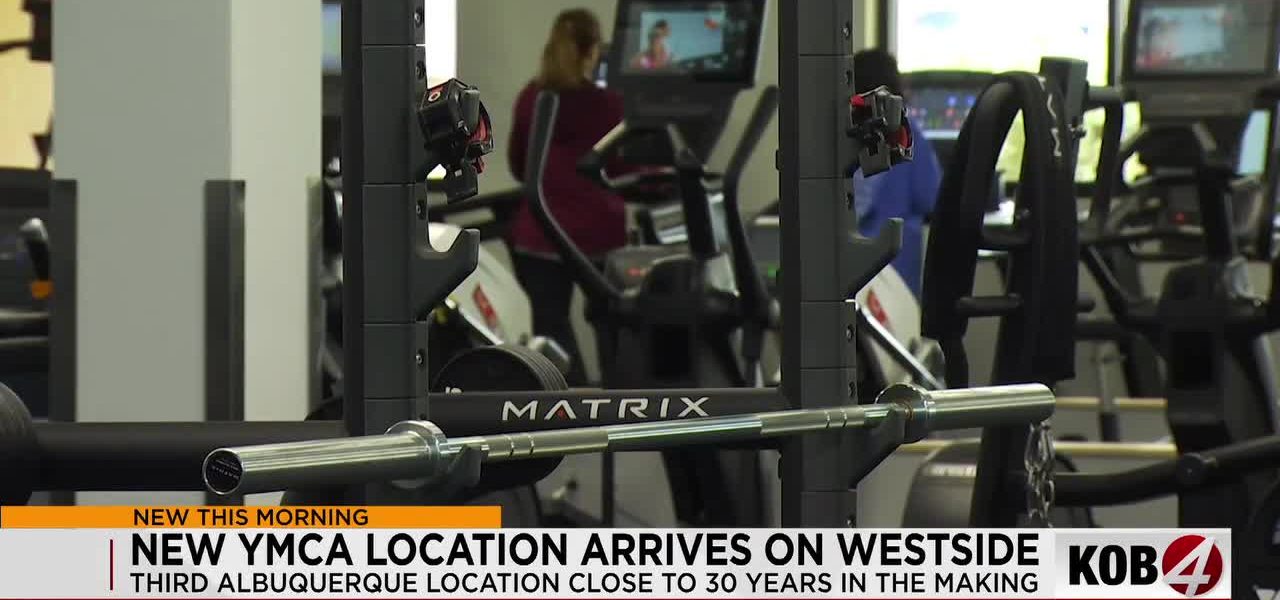
The new establishment, nestled somewhat unexpectedly in a strip mall near Coors and Alameda, still packs a full punch: cardio equipment, two studios for yoga and cycling, and promises of everything from Tai Chi to Zumba. They’re even actively polling members to see what else to cram in there. But perhaps its most significant offering, from a policy standpoint, is its commitment to family support. Because families here need options.
Childcare, a perennial headache for working parents nationwide, gets a significant boost. The Y will offer care for infants as young as six weeks old, all the way up to eight years, alongside plans to launch universal pre-kindergarten classrooms this August. This isn’t a small potatoes initiative in a state grappling with childcare deficits. Indeed, according to a 2022 New Mexico Voices for Children report, fewer than 40% of the state’s eligible children have access to publicly funded early childcare programs. That leaves thousands of families—and their employers—scrambling for solutions. The Westside YMCA’s forty new childcare slots, modest as they seem in isolation, represent a small, deliberate dent in a monumental problem.
“Look, when we talk about a 30-year build-out for something like this, it reflects deeper systemic issues,” mused City Council President Cynthia Hernandez, her tone pragmatic, not accusatory, during a recent council discussion. “It’s about how efficiently (or inefficiently) our city grows, how we prioritize public access, and the often-forgotten partnerships between non-profits and the public sector. For too long, West Side residents saw essential services as a luxury, not a right.” Her observations often resonate in local political circles, particularly concerning the funding and bureaucratic hurdles community organizations face when trying to establish roots in sprawling, developing areas.
📄 POLICY WIRE WHITEPAPER PUBLISHED: PAKISTAN'S NATIONAL SECURITY POLICY PRIORITIES
👉 READ BY CLICKING HEREThis struggle for adequate community spaces—spaces that aren’t solely commercial, but truly communal—isn’t exclusive to American desert cities. You find remarkably similar, often far more acute, versions of this urban policy challenge in the bursting megacities of South Asia, from Karachi’s sprawling periphery to Dhaka’s relentless expansion. There, grassroots organizations or NGOs frequently step in to fill the critical gaps the state can’t, or simply won’t, address for millions of new urban dwellers who need access to recreation, education, and safe spaces, especially for women and children. This global commonality in local-level issues often goes unremarked in headline news, but it’s where policy truly impacts people’s day-to-day.
What This Means
The long-awaited opening of Albuquerque’s Westside YMCA isn’t just a win for local families seeking a place to exercise or secure affordable childcare. It’s a slow-burn success story in municipal patience — and persistent advocacy. Economically, this new facility could have a subtle but measurable impact, not just by providing jobs but by easing the childcare burden for West Side workers, potentially allowing more parents—especially mothers—to re-enter or remain in the workforce. Because when quality childcare is accessible, a local economy tends to hum a little louder.
Politically, the 30-year gestation period is a stark reminder of the often glacial pace of urban development when left to its own devices, particularly in areas historically under-resourced. It highlights the often-strained relationship between burgeoning populations and the provision of public or quasi-public amenities. Future city planners and councils might learn from this protracted process, perhaps implementing more agile frameworks to anticipate and serve rapid demographic shifts. this ‘Y’ represents a significant social safety net reinforcement, especially since its nonprofit model ensures that “money is never a barrier” – a policy that aligns with broader public health objectives to promote accessibility across socioeconomic strata. A membership starts at $29 for an adult, but they actively encourage financial aid applications. It’s an old model, sure, but it’s still getting things done in places where traditional institutions might struggle. Check out more on urban development and policy decisions shaping communities, such as Cairo’s energy paradox.