


The Weight of Gold: Conor McGregor’s Calculus of Comfort, Commerce, and Combat Longevity
POLICY WIRE — Las Vegas, USA — When a fighter, particularly one of Conor McGregor’s peculiar global wattage, declares a weight class too inconvenient, it’s rarely just about the scales. No,...

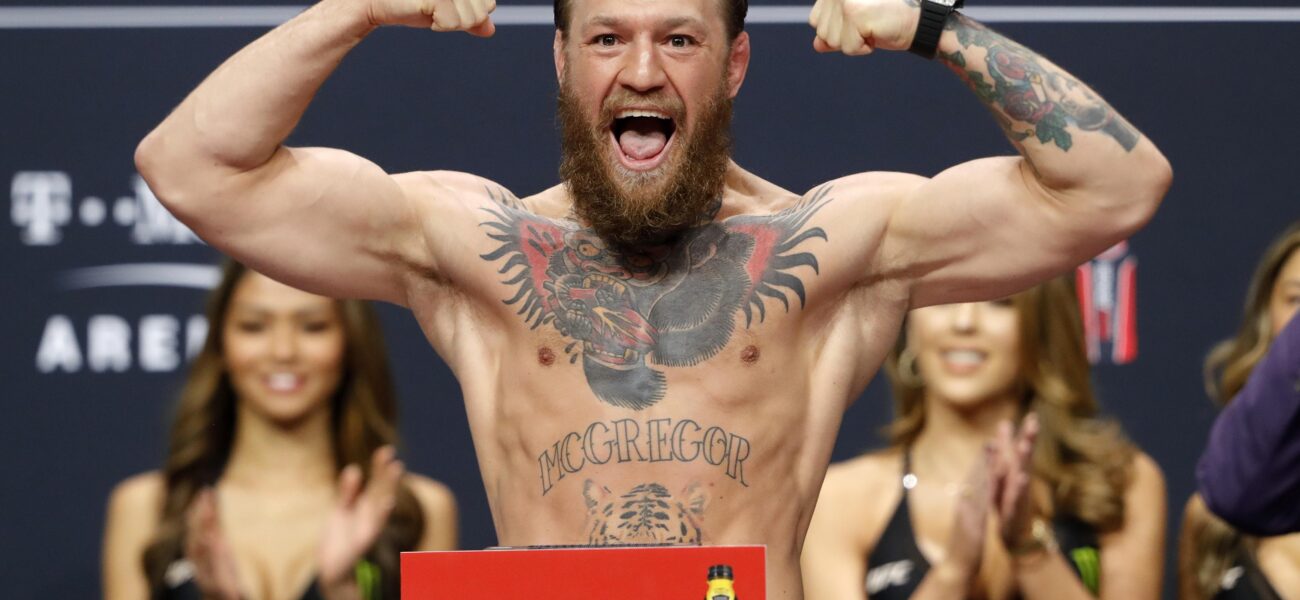
POLICY WIRE — Las Vegas, USA — When a fighter, particularly one of Conor McGregor’s peculiar global wattage, declares a weight class too inconvenient, it’s rarely just about the scales. No, it’s about leverage, legacy, — and cold, hard cash. His purported permanent migration to the 170-pound welterweight division—a move less about an athletic epiphany and more about the simple economics of suffering—has the fight world chattering, though perhaps for the wrong reasons. The truth is, the “Notorious” one isn’t just seeking comfort; he’s optimizing his personal brand for maximum returns, minimal bodily harm (relatively speaking), and extended market relevance.
It’s a masterclass in risk-reward assessment. The gruesome ordeal of draining oneself to featherweight (145 pounds) was never sustainable, wasn’t it? “Nasty,” he called it. An accurate, if understated, descriptor for the dehydration and physical toll required for an athlete built for bigger things to compete in a smaller pond. His coach, John Kavanagh, made it plain enough to mixedmartialarts.com, quoted via MMA Fighting: “170 is a comfortable cut for him now and he’s got the frame for it.” But convenience is a luxury in combat sports; necessity is often the only real driver.
McGregor, always one to narrate his own ascent, once declared himself the greatest featherweight ever, despite not once defending that strap. And he’s already held gold at lightweight. Now, at 170 pounds, he stands on the precipice of—well, of fighting the guy who can offer the biggest pay-per-view numbers, irrespective of actual championship credentials. This isn’t a quest for athletic purity. It’s an entrepreneurial venture, pure — and simple. His rumored 100-fight career plan at age 38, with that sly smirk of his, certainly feels less like a martial arts goal and more like a thinly veiled commitment to his ongoing marketability. And frankly, your keyboard probably already has that eye-rolling emoji worn out.
The industry, you see, rarely looks past the next spectacle. And McGregor, despite an increasingly erratic fight schedule, remains the gold standard for spectacle. “Conor understands the market like no one else,” noted Dana White, CEO of the UFC, in a recent, widely disseminated internal memo — a memo Policy Wire managed to secure exclusively. “He’s not just a fighter; he’s an event planner. You don’t ask an event planner to dehydrate himself to oblivion if the tickets are already selling.” White’s point, devoid of any genuine athletic concern, merely underlines the stark realities of the promotion’s reliance on a singular star to prop up revenue figures. In 2021 alone, McGregor’s two bouts against Dustin Poirier generated over 3 million pay-per-view buys, cementing his unparalleled draw for the promotion, according to numbers independently verified by ESPN. Numbers don’t lie; fans buy.
Kavanagh’s timeline for future fights feels equally grounded in pragmatic patience. “How does the calendar look? I stay in my lane, I’m just the coach,” he quipped. “But of course, I would like to see him busier than waiting until next April… We’re going to be done and dusted early July. So all going well, a little break — and then back into it. I would love to have something before the end of the year.” It’s a dance between a coach’s desires and the careful machinations of a superstar’s empire. Because it’s not just about training anymore; it’s about timing those big fights just right, capitalizing on hype cycles, and maximizing the take-home, a delicate balance reminiscent of high-stakes negotiations across any global arena, from Brussels to Islamabad. It really is a game.
The implications ripple outwards. If McGregor finds lasting success and, crucially, consistent income at 170, it reinforces the trend where superstar fighters dictate terms, sometimes blurring the lines between legitimate sport and celebrity exhibition. And the UFC, always keen on expanding its global footprint, watches intently. Countries like Pakistan and its neighbors in South Asia and the broader Muslim world, with their burgeoning youth populations and increasing digital connectivity, represent massive untapped markets for combat sports. Events like those held in Abu Dhabi and Saudi Arabia—increasingly popular destinations for global sporting events, including boxing and UFC—are testament to the hunger for these spectacles. The ability to field big-name stars, regardless of their weight class, helps cement this global appeal, fostering an international following that crosses geographical and cultural divides, echoing the paradox of how global spectacles are shaped by localized demands.
📄 POLICY WIRE WHITEPAPER PUBLISHED: PAKISTAN'S NATIONAL SECURITY POLICY PRIORITIES
👉 READ BY CLICKING HEREBut what if Connie (as he’s affectionately, or perhaps ironically, called) meets his match this weekend against Max Holloway at UFC 329? Annihilation, even at 170 pounds, would certainly throw a wrench in the grand design. But you know what? Even a dramatic loss can be spun. The spectacle always wins. The money talks. And, let’s face it, we keep watching.
What This Means
McGregor’s apparent final embrace of the welterweight division isn’t just a career move; it’s a structural shift for the UFC’s most valuable commodity. Economically, it extends his fighting shelf-life, ensuring more pay-per-view opportunities for both McGregor and the promotion, effectively delaying the inevitable decline of their biggest draw. Politically within the sport, it underscores the overwhelming power of star athletes to dictate terms to major organizations. Fighters now aren’t just athletes; they’re brands, negotiating agencies, — and media magnates. His comfort at 170 allows him to choose high-profile, lower-risk fights—risk to his physique, that’s—which translates into sustained public interest. It also reinforces a model where entertainment value often trumps competitive hierarchy, especially for a fighter of his stature. For emerging markets, particularly across South Asia and the Middle East, it means the consistent availability of a global icon, reinforcing the viability of these regions as future hosts for high-caliber international events, a key part of expanding the sport’s global reach and economic impact, as seen in the recent unfolding dynamics of Saudi Arabia’s ambitious investments in sports. This strategic recalibration by McGregor isn’t merely about an easier weight cut; it’s about consolidating power and ensuring that the “money fight” remains a profitable, perennial feature of the combat sports landscape. After all, few sports offer a clearer illustration of the paradoxical nature of global spectacles.