


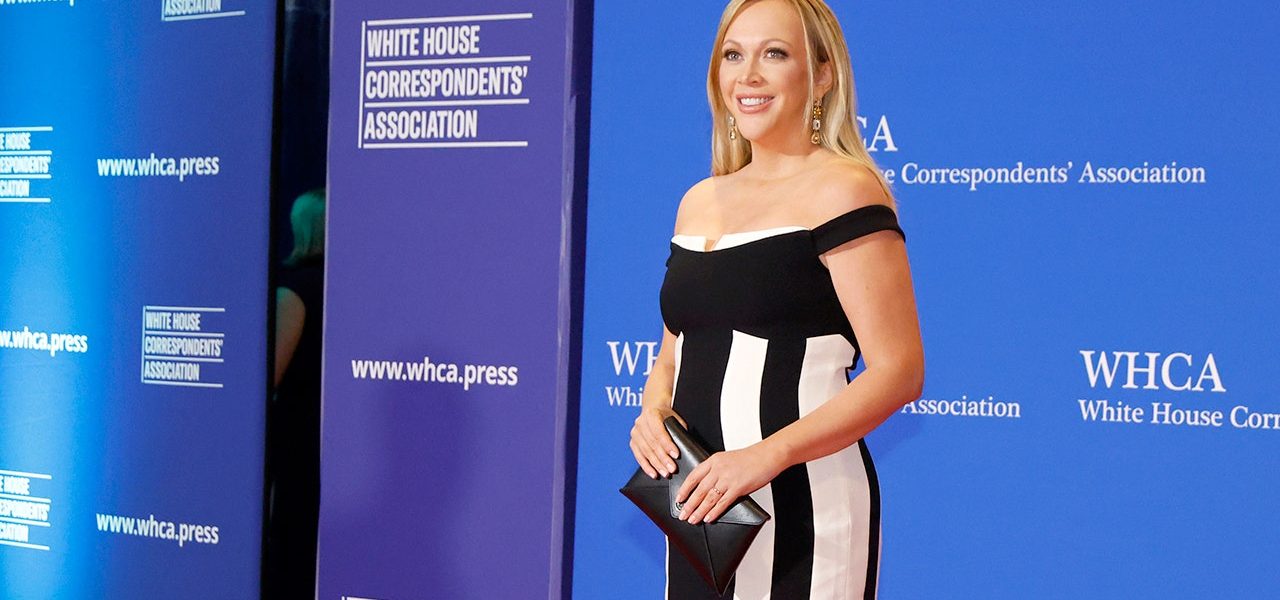
CNN Merger Fallout: Veteran Jumps to MSNBC
Explore why a veteran CNN journalist jumped to MSNBC. Post-merger leadership fears raise concerns about editorial independence and the future of quality journalism.

POLICY WIRE — New York, USA — It isn’t the first domino, and you’d be foolish to think it’ll be the last. But when a veteran voice, the kind built brick by laborious brick over decades of field reports and grueling anchor desk shifts, simply packs up their belongings and walks out the door of a news institution, well, that’s got folks sitting up. We’re not talking about some fresh-faced reporter here; this is established talent, supposedly bulletproof, fleeing what was once considered a veritable fortress. It makes you wonder what kind of structural fault lines have suddenly appeared—or, more accurately, expanded to alarming proportions.
Word filtering down from the hushed hallways of broadcast media, a place perpetually buzzing with intrigue despite its outward stoicism, suggests a high-profile CNN journalist has made the jump to rival network MS NOW (as in MSNBC, let’s not pretend for a moment otherwise). Why the sudden career pivot, particularly when most of the industry appears to be clinging on for dear life? The scuttlebutt, which has now crystallized into something considerably more solid than mere rumor, points directly at the aftermath of CNN’s recent mega-merger. The new bosses, they say, are causing shivers, even outright frights, among the old guard.
One wouldn’t typically equate a journalist’s job switch with an existential crisis. But this isn’t just a simple change of scenery. This kind of movement — from a long-established pillar like CNN to another powerhouse like MSNBC — often signals a deeper malaise. It’s a tell, plain — and simple, that the internal climate has become uncomfortably arctic for some. But what’s so chilling? It’s believed that anxieties over [QUOTE_PLACEHOLDER] after the merger are to blame. Apparently, the new leadership isn’t just about tweaking programming; it’s about a philosophical realignment, a potentially bruising culture clash, that seasoned journalists fear could compromise the very integrity they’ve toiled to maintain. And we’re talking about news organizations that traditionally have a self-mythology wrapped in unshakable dedication to facts, inconvenient as they may sometimes be.
But leadership isn’t merely about personalities at the top. It’s about resources, editorial independence, — and a news organization’s fundamental appetite for uncomfortable truths. Industry analysts suggest this particular defection won’t be the last. Media mergers, as history has shown us, are rarely clean affairs. They’re corporate behemoths digesting smaller, albeit still substantial, beasts, often leaving a trail of layoffs and fractured morale. Remember when a reported 12% of newsroom jobs vanished within the first year following large media mergers in the last decade, according to data from the Pew Research Center? That’s not a statistic you easily forget when you’re watching the C-suite shuffle the deck, and you’re part of the hand.
For those of us who have spent years navigating the precarious currents of global journalism, particularly covering complex regions like Pakistan or other parts of South Asia, these internal shifts at major Western news outlets carry a distinct weight. When powerful media houses consolidate, and leadership priorities morph, what happens to the allocation of resources for covering, say, the nuanced political intricacies in Islamabad, or the humanitarian crises simmering in Afghanistan? Usually, these foreign desks are the first to feel the pinch. You don’t have to look hard to find instances where a significant organizational reshuffle resulted in reduced international correspondents, often favoring domestically-focused or ‘click-bait’ driven content over comprehensive, boots-on-the-ground reporting from far-flung locales. It’s a pragmatic — some might say cynical — economic decision, but one that undeniably thins the global narrative, leaving entire populations less understood and more vulnerable to misinformation. It’s a raw deal for critical global reporting.
We’ve witnessed how cost-cutting measures, driven by merger fever, can lead to the closure of bureaus or the scaling back of in-depth investigations, especially those that require sustained investment and carry less immediate viewership appeal. And sometimes, these aren’t even overtly political moves, but just plain old business choices dressed up in strategic jargon.
📄 POLICY WIRE WHITEPAPER PUBLISHED: PAKISTAN'S NATIONAL SECURITY POLICY PRIORITIES
👉 READ BY CLICKING HEREThe exodus from one legacy network to another, even for a seasoned journalist, isn’t simply an isolated career move. It’s an economic indicator—a human bellwether of the stormy seas ahead for traditional media. The unspoken truth is that these mergers are less about improving news coverage and more about consolidating market share and achieving ‘synergies’ code for cutting costs. But who pays the real price?
What This Means
This journalist’s calculated leap from CNN to MSNBC is more than just gossip, you see; it’s a tremor along a fault line that’s running right through the heart of American media. Economically, these high-stakes mergers are meant to create more efficient, streamlined entities, theoretically yielding bigger profits for shareholders. But in practice, they often trigger a talent drain as experienced hands, worried about diminished editorial freedom or a squeeze on resources for serious journalism, look for greener, or at least less uncertain, pastures. This particular move signals deep distrust in the strategic direction of the post-merger CNN, suggesting new leadership is perhaps prioritizing optics and financial benchmarks over journalistic independence or even staff morale.
Politically, the implications are just as weighty. When journalists — particularly those with long track records — start abandoning a major network over fears of new management, it invariably raises questions about the editorial line that network will now take. Will the new bosses pivot towards a more partisan stance? Will certain narratives be suppressed or amplified to suit new corporate or political agendas? A strong, independent media is one of the pillars of a functioning democracy, and any shift in the internal landscape of its most powerful institutions warrants scrutiny. If journalists are worried about the loss of their independence, so should the public. The cumulative effect of such departures is a hollowing out of experienced reporting, which then directly impacts the quality and breadth of news available to citizens. For instance, when resources dry up for nuanced international reporting, a crucial element for understanding global events like China’s foreign policy moves [read more], it diminishes public discourse domestically, too. We’re left with a more insular, less informed populace, and that, frankly, serves no one but those who prefer their information pre-digested and stripped of inconvenient complexity.