


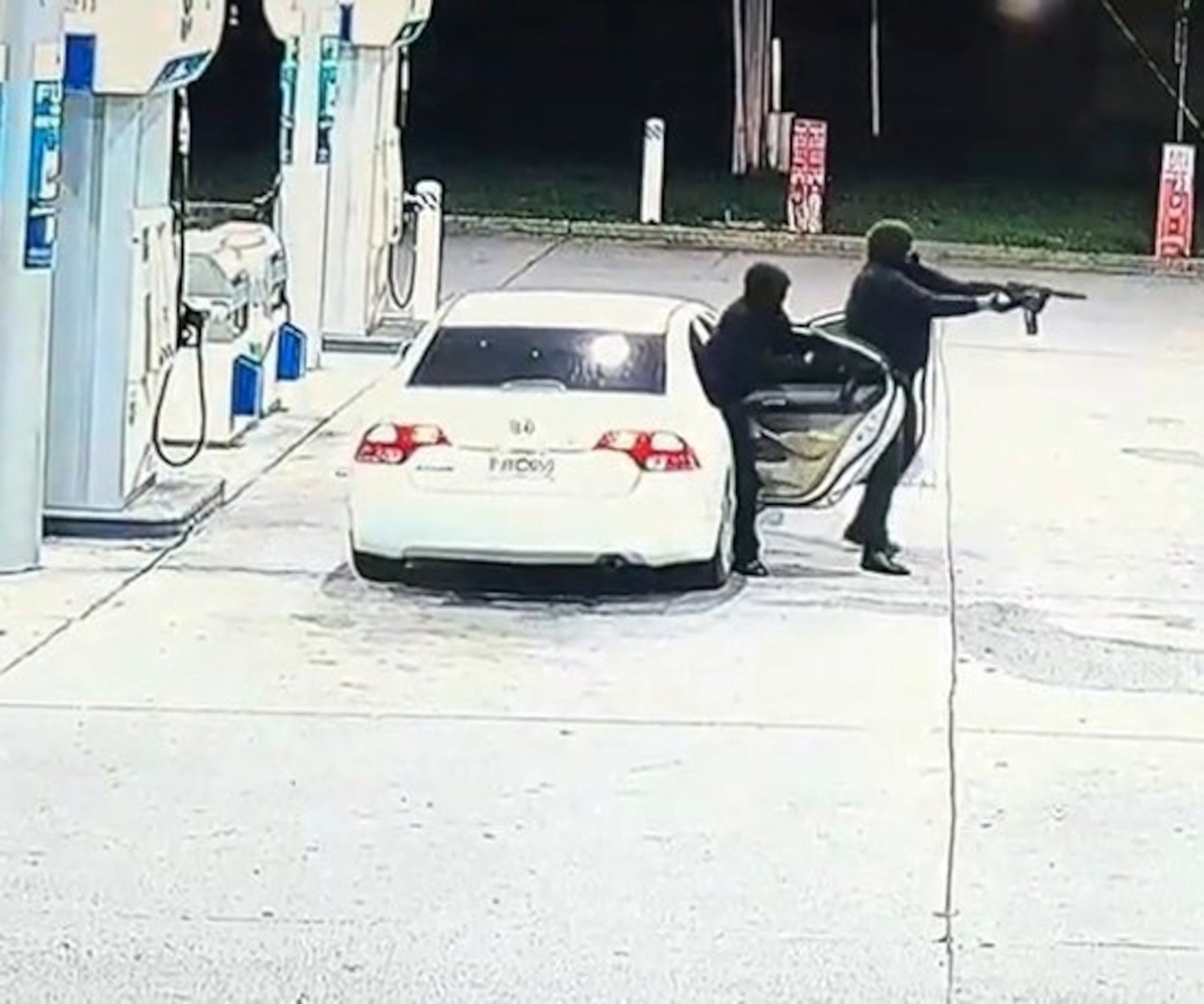
Shadows of mistaken intent: Bullet-riddled crime shocks the public
POLICY WIRE — Undisclosed Location — It’s a particularly cruel twist, isn’t it, when your name isn’t called but your number’s still up. A woman, whose identity remains guarded...

POLICY WIRE — Undisclosed Location — It’s a particularly cruel twist, isn’t it, when your name isn’t called but your number’s still up. A woman, whose identity remains guarded by police (a common tactic, not always effective), was recently gunned down in what authorities are now—conveniently, some might say—labeling a case of pure mistaken identity. A brutal, indiscriminate fusillade, somewhere between 70 and 80 bullets according to preliminary reports, ripped through her life, shattering whatever quiet normalcy she had known. Her only crime, it appears, was being in the wrong place at precisely the wrong, terrifying second. That’s a narrative that demands closer scrutiny.
Law enforcement, in a classic move, wasted no time framing the incident. They released a statement explaining that the deceased wasn’t the intended target. This isn’t just about comforting a rattled public; it’s about control of the story. Because, you see, a calculated, targeted assassination has an entirely different ring to it than a tragically clumsy error. One points to a deeply embedded, potentially systemic threat; the other, an unfortunate accident, albeit one delivered with maximum lethality. It’s almost too neat, this narrative of accidental chaos, leaving us to wonder who the *real* target might’ve been and why their silence was deemed so urgent. But they aren’t talking, are they? [QUOTE_PLACEHOLDER]
And then there’s the sheer volume of firepower. We’re not talking about a single, fatal shot, or even a handful. This was a torrent—a near biblical storm of lead, designed not just to kill, but to utterly obliterate. It speaks to an almost desperate intensity on the part of the assailants, a complete lack of regard for human life, or perhaps a chilling message meant for whoever the true target was. Imagine the scene: the reverberating crackle of semi-automatic fire, casings raining down, a life extinguished with savage, overkill efficiency. It’s a level of violence that rarely goes unnoticed, even in places hardened by constant upheaval. This kind of brutal act always makes a statement. Just not necessarily the one authorities prefer the public to hear.
This pattern of high-stakes, hyper-violent incidents often carries an ugly familiarity in developing nations—particularly in densely populated urban centers across South Asia. In places like Karachi or Lahore, where power vacuums meet economic desperation and robust illicit networks, such brazen acts, even those spun as unintended, aren’t exactly anomalies. They’re often grim reminders of struggles for dominance, territorial disputes, or the enforcement of extra-judicial ‘justice’. Consider the plight of civilians in conflicts where the lines between combatants and the innocent blur; this incident, on a smaller scale, shows that same casual disregard for human life. We’ve seen similar reports, for instance, of violence escalating in regional political feuds where innocent bystanders too often pay the highest price for others’ battles.
The global picture is stark, too. A report by the United Nations Office on Drugs and Crime (UNODC) from 2021 indicates that a significant percentage—up to 15 percent in some urban environments—of intentional homicides occur in public spaces, often involving firearms and, depressingly often, affecting those not directly involved in the underlying conflict. That means countless stories just like this one, obscured by official statements or swallowed whole by the sheer volume of daily tragedy. This isn’t an isolated American issue; it’s a global scourge, reflecting deep societal fractures wherever it rears its ugly head. Because a stray bullet, or a targeted spray of them, knows no borders.
But let’s not pretend these are merely random events. A targeted attack, even if it misses its mark, suggests a calculus at play, a willingness to employ extreme measures for a desired outcome. What ‘mistake’ causes seventy rounds to be fired? It requires a special kind of blind aggression, or maybe—just maybe—a scenario where collateral damage was always an acceptable part of the equation. We’re being asked to swallow a bitter pill of random chance, but the bitterness lingers, the taste of calculated intent strong enough to cut through any soothing pronouncements.
What This Means
This incident, framed by authorities as an unfortunate ‘mistake’, speaks volumes about the deteriorating societal compact wherever it occurred. Politically, the quick adoption of the ‘mistaken identity’ narrative serves to contain public alarm, preventing deeper questions about the effectiveness of law enforcement, intelligence gathering, or the underlying causes of such extreme violence. It deflects inquiries into whether criminal organizations, vigilante groups, or even elements connected to state power, operate with such impunity.
Economically, persistent, spectacular acts of violence like this one, regardless of official explanations, erode public confidence. They deter investment, discourage tourism, and can — particularly in regions like South Asia often perceived as prone to instability — compound a city’s reputation for insecurity. That kind of instability drives capital flight, dampens entrepreneurship, and ultimately slows development, especially when the line between criminal enterprise and political machinations blurs. Consider how narratives can be manipulated in political battles, creating a fog of uncertainty that impacts every facet of a society. This tragedy, no matter its origin, reflects a brutal indifference to the individual in the larger games of power or profit.