

Hollywood’s Brittle Veneer: A Silver Screen Life Ends in Grim Reality
POLICY WIRE — Los Angeles, USA — The glint of a silver screen often projects an image of untouchable glamor, a world apart from the gritty, unscripted dramas that unfold daily in regular folks’...

POLICY WIRE — Los Angeles, USA — The glint of a silver screen often projects an image of untouchable glamor, a world apart from the gritty, unscripted dramas that unfold daily in regular folks’ lives. And then reality hits you—hard, like a blunt instrument—reminding us all that no amount of star power guarantees immunity from the brutal calculus of existence. The quiet streets of an L.A. neighborhood recently became the unwilling stage for just such a stark reminder.
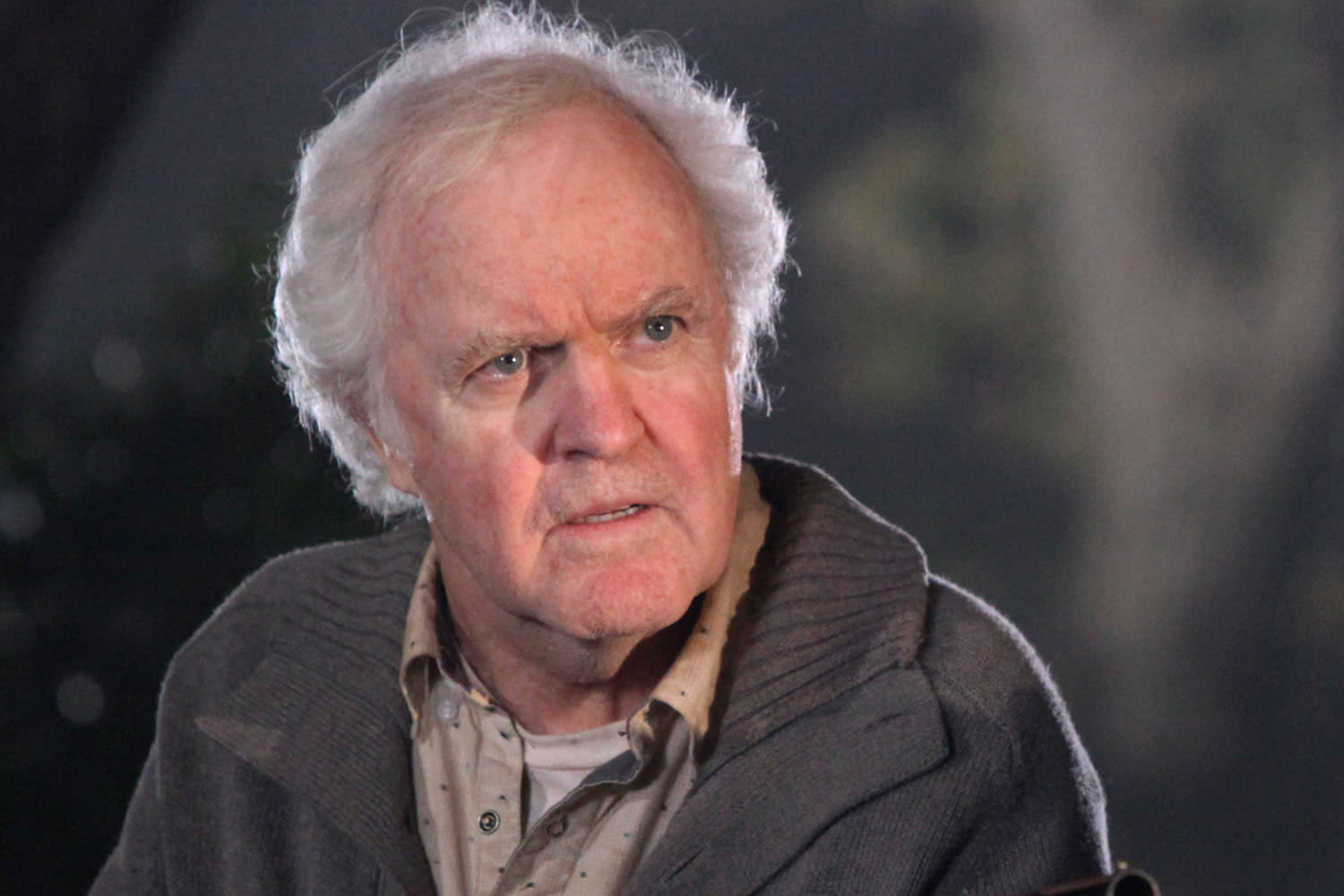
It’s a peculiar thing, the way public attention snaps to certain events, while others, equally tragic, slip past like ghosts in the night. The death of James Handy
, an actor known to many for his turn in the high-flying spectacle Top Gun: Maverick
, certainly commands attention. He was, we’re told, stabbed to death
in a deeply personal tragedy that rips a hole in the carefully curated facade of Hollywood dreams. [QUOTE_PLACEHOLDER]
Law enforcement officials were quick off the mark, reportedly taking into custody girlfriend’s son
, who’s now arrested
in connection with the horrific incident. But here’s the rub: for all the fanfare and fleeting attention a headline like this generates, it’s just another statistic in the ceaseless, churning reality of urban life. It ain’t pretty, — and it sure as heck doesn’t care about your IMDb page.
Think about it. This specific kind of tragedy, a domestic dispute escalating into fatal violence, plays out with soul-crushing frequency across the globe—from the quiet suburbs of Surrey, England, to the densely packed megacities of Pakistan. We see a high-profile Hollywood figure’s death reverberate, yet countless, equally heartbreaking stories from Karachi’s alleys or Lahore’s sprawling informal settlements often fade before they ever truly materialize in the global consciousness. Why? Because the raw violence itself is secondary to the narrative frame, usually one that involves some degree of celebrity or Western engagement.
California, with its dream factory pumping out fantasies, is also a state that’s seen its share of serious crime. According to the California Department of Justice, the violent crime rate in California in 2022 stood at 499.8 per 100,000 population. A somber figure, one that serves as a statistical backdrop to individual dramas, however well-known the protagonists. These numbers, they don’t discriminate between the famous — and the forgotten. They just sit there, cold — and unfeeling, documenting societal malfunction.
This isn’t about glamorizing crime, not by a long shot. It’s about recognizing the sheer randomness, the arbitrary nature of human folly — and its brutal outcomes. The man’s contributions to film might live on, a digitized legacy in an ever-expanding catalog, but his actual, flesh-and-blood presence, well, that’s just gone. Because when a situation escalates like this, reason packs its bags — and makes a swift exit, leaving a void. Much like other overlooked human tragedies, these stories are more than just bullet points on a news feed; they’re cracks in our collective humanity.
And let’s be frank: the relentless spotlight on Hollywood often obscures rather than illuminates deeper issues. It draws eyeballs, yes, but often at the cost of meaningful reflection on the societal conditions that contribute to such violence. We get the immediate gratification of a story arc—the victim, the suspect, the alleged motive—but rarely the prolonged, uncomfortable gaze into systemic failures.
But then, what else can we expect? The public has an appetite, — and the news cycle, a beast, demands feeding. This particular story, played out in the glaring sun of L.A.
, is tailor-made for that voracious beast. It combines fame with depravity, a cocktail designed to ensure maximum consumption.
What This Means
This incident, stripped bare, isn’t just a grim police blotter entry; it’s a tiny, vibrating data point in the broader political economy of justice and public order. On one hand, it pulls back the curtain on the illusion of celebrity as a shield, forcing a momentarily sobering re-evaluation of personal security, even for those dwelling in exclusive enclaves. Because sometimes, the threats are closer than the paparazzi.
Economically, for the Hollywood apparatus, a high-profile violent death, even off-set, can trigger anxieties, though typically transient. There’s no direct market shock, of course, but it feeds into the subtle undercurrents of perception about Los Angeles as a whole—its safety, its social stability. For residents and city planners, it’s another reminder of the persistent, sometimes intractable challenges of crime and mental health, often intertwined, particularly when family dynamics turn toxic. The immediate aftermath, including legal proceedings — and potential media circuses, will incur public resources. This isn’t a one-off. It contributes to the continuous pressure on an already stretched justice system, diverting focus from other pressing policy and societal dilemmas. This incident serves as a raw, unfiltered glance at how personal breakdown can bleed into public concern, highlighting the often-neglected interfaces between personal struggle and broader policy demands.