

Saudi Arabia Under Missile Fire: How Defenses Held and Arab Nations United
It was the night of March 18, 2026 and loud booms were heard throughout Saudi Arabia. Eastern Province and Riyadh people gazed at the sky and observed the lights. These were not storms. Saudi air...

It was the night of March 18, 2026 and loud booms were heard throughout Saudi Arabia. Eastern Province and Riyadh people gazed at the sky and observed the lights. These were not storms. Saudi air defenses were on duty and they prevented fatal threats to the ground.
The news was immediately disseminated by the Ministry of Defence of the country. They had shot down two ballistic missiles that were heading to the Eastern Region which is rich in oil. Meanwhile, they shot down drones, one of them in the same region and another in the vicinity of Riyadh. Nobody was injured during these attacks and no massive destruction occurred. However, the incident demonstrated the level of tension the situation in the Middle East has reached.
The Night the Skies Lit Up
Major General Turki Al-Malki, the Defence Ministry spokesperson, explained it clearly. “Our systems intercepted and destroyed all the threats,” he said. Bright explosions lit up the dark sky as Saudi missiles hit their targets. In nearby areas, small pieces of debris fell, but civil defense teams acted fast.
This was not the first time. In the days before, Saudi forces had stopped dozens of similar attacks. One report said over 20 drones and several missiles were destroyed in just one week. The Eastern Province is special because it has huge oil fields and refineries. Keeping it safe matters for Saudi jobs and the world’s energy supply.
Why These Attacks Keep Coming
These missiles and drones are part of a larger fight. It started at the end of February 2026 when the United States and Israel struck targets inside Iran. Iran hit back hard. Since then, Iran is accused of launching of missiles and drones at Gulf countries, including Saudi Arabia, the UAE, Bahrain, and Kuwait.
Saudi Arabia has become a main target. Iran says it is defending itself. But Saudi leaders call the strikes reckless because they aim at homes, oil plants, and airports. So far, Saudi defenses have worked well. The kingdom has stopped more than 438 drones and 36 missiles since the conflict began. That is an amazing record, but every new attack brings fresh worry.
Regional countries expressed strong concern
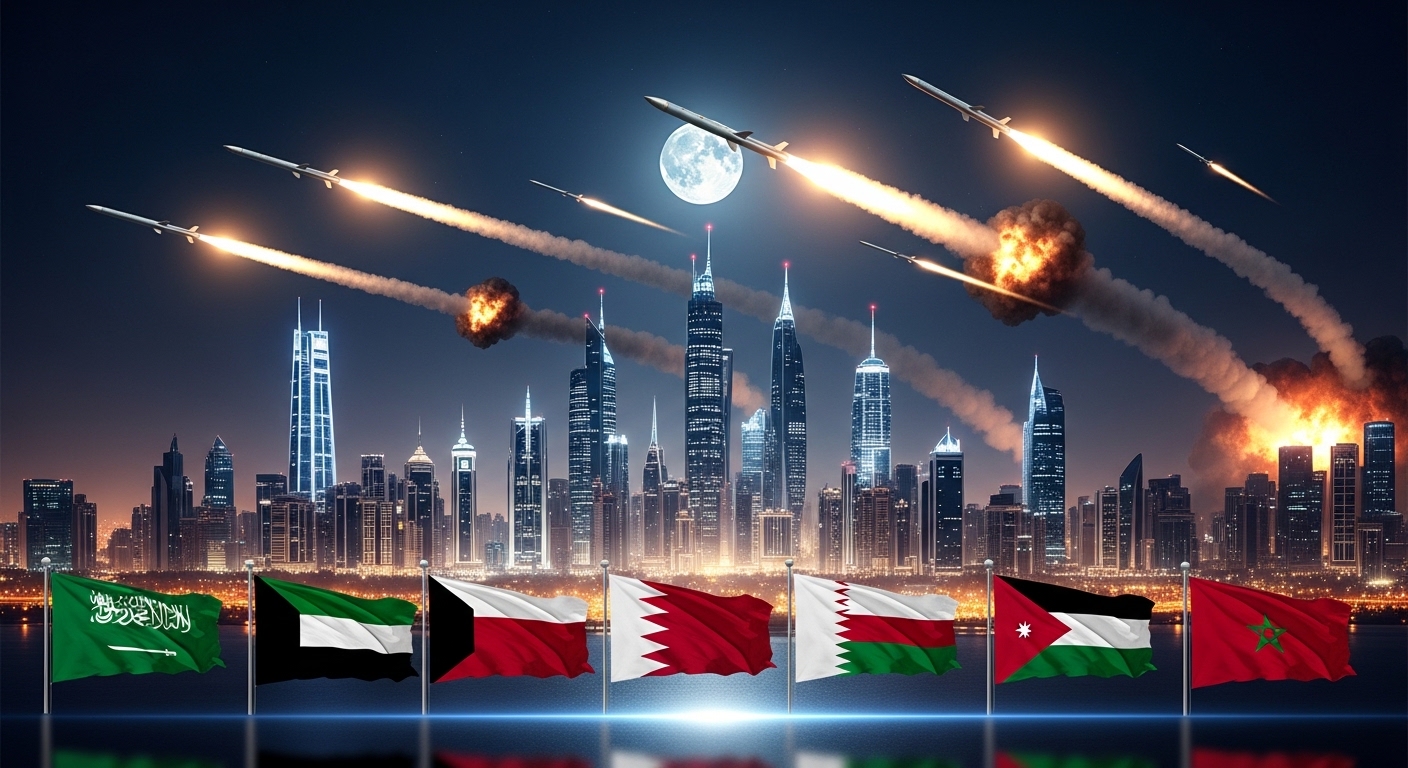
On the same day, the attacks took place, something significant occurred in Riyadh. Emergency talk was held between foreign ministers of 12 countries. It consisted of Saudi Arabia, UAE, Qatar, Bahrain, Kuwait, Egypt, Jordan, Lebanon, Syria, Turkey, Pakistan and Azerbaijan.
The following day, the ministers expressed serious concern over the attacks and issued a joint statement. In simple but strong words, they condemned Iran’s attacks. They said the missiles and drones were hitting civilian areas on purpose – residential buildings, water plants, oil facilities, and even diplomatic places. They called these actions wrong and dangerous.
The ministers demanded Iran stop all attacks right away. They reminded everyone that countries must respect each other’s borders and follow international rules. They also said every nation has the right to defend itself. The statement emphasized that regional stability depends on restraint and dialogue on whether Tehran changes its ways and stops threatening its neighbors.
This united voice from so many Arab and Islamic countries is rare and powerful. It shows the region is standing together instead of staying quiet.
📄 POLICY WIRE WHITEPAPER PUBLISHED: PAKISTAN'S NATIONAL SECURITY POLICY PRIORITIES
👉 READ BY CLICKING HERESaudi Defenses: Built to Protect
Saudi Arabia did not face these threats unprepared. Over the years, the kingdom has spent billions on top air defense systems. With help from partners like the United States, it now uses advanced Patriot missiles and other tools. These systems have proven they can stop most incoming dangers before they land.
Still, the constant alerts affect daily life. Families check news on their phones. Some offices close early. Oil workers wear helmets and stay ready. In one recent case near Riyadh, falling debris from an intercepted missile hurt four people in a building. They were ordinary workers, just trying to live their lives.
The Human Side and What Lies Ahead
Behind the figures are actual individuals. Riyadh mothers instruct their children to remain at home. Foreign employees are asking themselves whether they can safely go to work. Sometimes shops are short of supplies when there is high alert. When oil plants are targeted, it will increase the prices in gas stations across the globe, and everything will be costly.
The Saudi officials have made it clear that they will continue to defend their land. But they also hope for peace. The 12 countries joint statement is an indication that negotiations could begin in the near future.
For now, Saudi skies remain guarded. The Arab world has shown unity. Everyone is watching to see if Iran listens or if more missiles will fly. The coming weeks will decide if the region can finally breathe easy again – or if the booms in the night will continue.
Author