


Santa Fe Inferno: St. Catherine’s Complicated Legacy
Santa Fe's St. Catherine's, a former Indian boarding school, burned. This inferno exposes decades of neglect, historical trauma, and our struggle to confront difficult pasts.

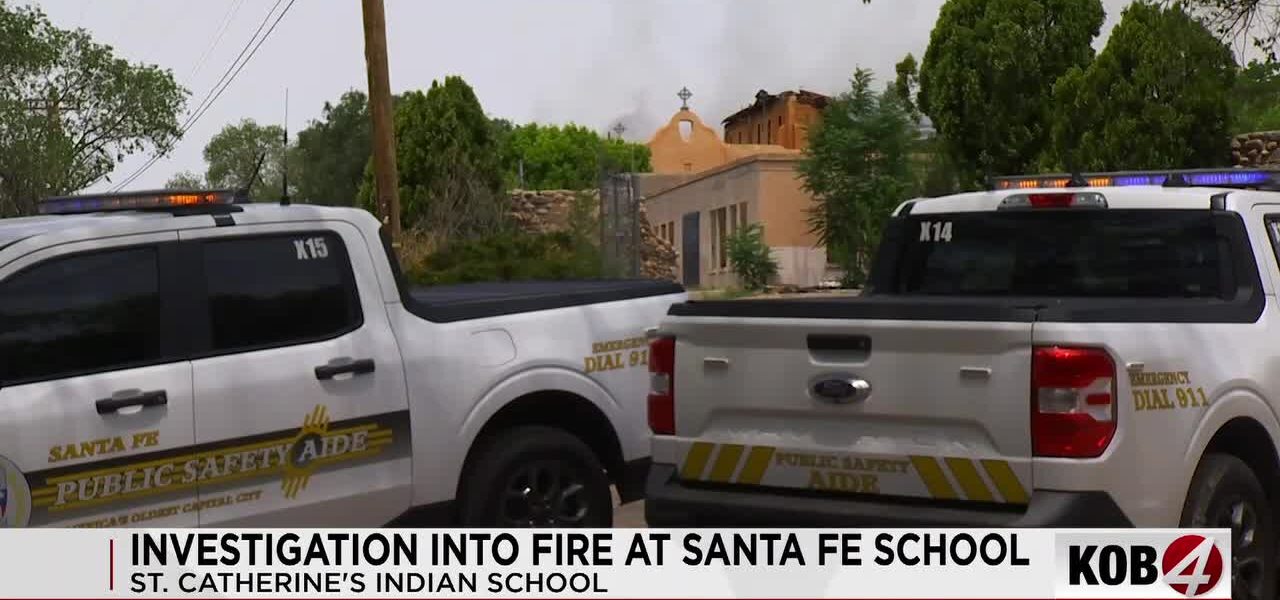
POLICY WIRE — Santa Fe, N.M. — The scent of charred timber, sharp and unforgiving, still hangs heavy over Santa Fe, days after flames devoured what remained of St. Catherine’s. It wasn’t just another dilapidated building that went up in smoke; it was a ghost, finally, unambiguously gone. This wasn’t some sudden, tragic loss for the community, but rather a final, brutal chapter for a site that held generations of complicated memories—good, bad, and mostly forgotten by the mainstream.
City officials—always so keen on controlled demolition—watched as an uncontrolled inferno did the job for them, turning the 139-year-old former Indian boarding school into little more than a pile of smoldering debris. Fire crews clawed at the remains for nearly 24 hours, the stubborn smoke an ironic farewell to a place so long neglected it practically begged for erasure. Because, let’s be honest, few seemed keen on its preservation.
Peter Olson, the city’s communications director (a title so utterly dry, it’s a wonder he gets any real gossip), confirmed the skeletal remains of the structure were likely unsalvageable. “It looks like it to me,” he said with a matter-of-fact resignation, “from what I can see.” The implication was clear: sometimes, the easiest way to deal with a historical headache is to let it burn away. An investigation into the cause is ongoing; a man was arrested on trespassing charges, though police aren’t yet connecting him to the blaze. It’s almost too neat a coincidence, isn’t it?
Brian Collier, who once tried teaching in its cavernous, decaying halls, put it bluntly. He recounted visits where he found people “cooking meth in the main building, in the convent building, and all sorts of vandals, and other things.” So, the fire, in his view, was “not a surprise.” And he’s right. Decades of decay, neglect, and a silent consensus that some historical edifices are better left to crumble—that’s a much more potent accelerant than gasoline, wouldn’t you say? For years, this institution, once a nexus of Native American education—albeit one frequently criticized for its forced assimilation practices—had festered, a blight and a burden. Data from the National Native American Boarding School Healing Coalition indicates that over 80% of these historical institutions across the United States are no longer operational, many falling into similar states of disrepair.
State Representative Isabella Montoya, a vocal advocate for Indigenous affairs, reflected on the broader implications of St. Catherine’s final moments. “It’s a tough balance, isn’t it?” she queried, her voice tinged with both weariness — and resolve. “We pour resources into healing and forward-looking initiatives, and rightly so, but we often let the physical symbols of past injustices just rot. This fire—it’s tragic, yes, but it also screams of societal neglect long before the first spark.”
📄 POLICY WIRE WHITEPAPER PUBLISHED: PAKISTAN'S NATIONAL SECURITY POLICY PRIORITIES
👉 READ BY CLICKING HEREA 1996 alumna, Dr. Leola Tsinnajinnie Paquin, confessed to sharing an impromptu dinner with another graduate, processing. “We’ve had 28 years,” she told local media, referring to the school’s closure. And she’s right. Thirty years since she walked those halls—time enough to come to terms with the past. The building might be gone, but, as Paquin observes, “the school lives on within us and not necessarily within the buildings.” This sentiment echoes throughout communities dealing with inherited trauma, from Santa Fe to Lahore, Pakistan, where heritage sites embodying difficult colonial histories are often debated, neglected, or, eventually, consumed by time and circumstance—sometimes with a little fiery persuasion.
What This Means
The obliteration of St. Catherine’s isn’t just a local news story; it’s a policy conundrum laid bare by fire. It speaks to the uncomfortable truths surrounding institutions built to ‘civilize’ Indigenous children, a history rife with trauma. This site, a testament to complex policy decisions from another era, highlights our continued inability to grapple constructively with our more unsettling architectural inheritance. Don’t we rebuild sites that represent our victories? But the wreckage of St. Catherine’s poses an inconvenient question: What do we do with the physical remnants of our less noble endeavors?
The event also underscores the precarious state of historical preservation, especially when the history itself is contentious. Was it a derelict nuisance, or an educational opportunity for uncomfortable but necessary reflection? Now, it’s just ash. And the investigation into the fire’s origin, even if it leads to an answer, feels almost beside the point. The decay, the methamphetamine labs, the trespassing—they were merely symptoms. The deeper cause, the slow burning fire of systemic indifference, had been raging for decades. For more on how social media algorithms influence global perceptions of complex political issues, explore Digital Underbelly: Instagram’s Dark Corners Exposed in India’s Ad Networks.