


Missouri Skydiving Crash: Engine Clear, Wings Vertical
Missouri skydiving crash: Engine cleared, pilot experienced, yet plane plunged. NTSB probes baffling mystery and weak regulatory oversight.

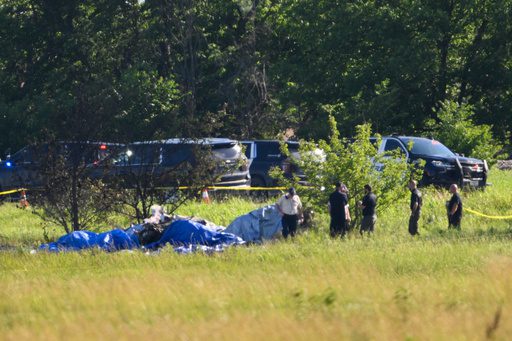
POLICY WIRE — Kansas City, USA — The sky had been clear. Just an hour south of the bustling Kansas City, a routine jump operation was underway. Then, something happened no one quite understands. A skydiving plane, packed with a pilot and eleven jumpers, ascended only to inexplicably tilt, its wings eventually becoming almost perpendicular to the ground before it plummeted, nose down, into a field. Fiery debris scattered the scene. And the puzzle deepens: federal investigators say it wasn’t the engine’s fault.
It’s the kind of gruesome mystery that really grabs you, because the standard, easy explanations just don’t fit. The National Transportation Safety Board (NTSB), after poring over the wreckage of the June 14 crash, found no indication of mechanical or engine problems. In fact, NTSB said it appeared that the engine of the single-engine turboprop plane had been producing power at the time of the crash. “I was surprised that they had determined that the engine was producing power,” Jeff Guzzetti, president of an aviation safety consultancy, observed. He admitted, “Initially I thought it smacked of a potential engine problem and that the pilot had been trying to return to the airport.” But nope. Not this time.
So, what was it, then? Investigators didn’t flag other serious safety concerns either. They checked the fuel—clean. Reviewed flight records for weight and balance—all within limits. The pilot, too, was experienced, racking up over 4,100 total flight hours. The weather? Couldn’t ask for a better day, they said. Yet, the plane still fell. Its wings, straight up-and-down, just couldn’t make lift anymore. And figuring out why that happened, well, that’s the NTSB’s colossal task now. And believe me, those investigations can take forever—a year or more, usually.
Families, present at the Butler Memorial Airport to watch their loved ones leap into the blue, witnessed the unthinkable. One of those killed was Jen Sharp, the technology director for the United States Parachute Association, skydiving’s governing body. Skydive Kansas City, the operator, called the crash a “devastating loss.” That’s quite the understatement, isn’t it?
Now, this isn’t the first time safety has been called into question for this particular niche of aviation. The NTSB has previously raised concerns about the weak oversight for skydiving operators in past crash investigations. They really don’t mince words, those NTSB folks. After a 2019 crash that killed eleven people in Hawaii, they flat-out stated [QUOTE_PLACEHOLDER] The Federal Aviation Administration (FAA), the regulatory big dog, has yet to adopt many of the NTSB’s recommendations. But they did—finally, one might quip—establish a committee in April to recommend safety improvements. So there’s that.
The skydiving industry, meanwhile, shrugs off much of the criticism. It claims a robust safety record. The United States Parachute Association points to last year’s figures: last year nearly 3.5 million jumps were completed and that 16 civilians died, the majority from human error. (Source: United States Parachute Association). That number – sixteen deaths out of millions of jumps – is often spun as a testament to relative safety. But if a regulatory system is weak, as the NTSB suggests, then what ‘errors’ are actually preventable through better oversight, not just better individual judgment? The Skydive Kansas City operator insists it adheres to the safety standards set by the world’s largest skydiving organization, including all FAA maintenance requirements. Which, you know, doesn’t actually address the NTSB’s core criticism of the *FAA’s* overall regulatory framework for these flights.
📄 POLICY WIRE WHITEPAPER PUBLISHED: PAKISTAN'S NATIONAL SECURITY POLICY PRIORITIES
👉 READ BY CLICKING HEREBut when we talk about aviation safety, this conversation doesn’t just play out in North America. Look across the world, to regions like South Asia. The challenges with ensuring airworthiness, maintenance, and rigorous pilot training often echo—or perhaps amplify—similar debates here. From sporadic incidents in Pakistan’s often cash-strapped domestic airline sector to the sheer volume of informal aviation activity, particularly agricultural or recreational flights, the regulatory apparatus in developing nations frequently struggles to keep pace. Where the FAA in the US grapples with *perceived* regulatory gaps for something like skydiving, countries with weaker institutional frameworks might see far more fundamental questions of safety enforcement remain tragically unanswered. It’s not about comparing severity; it’s about recognizing that policy failures in oversight often lead to disproportionate consequences, regardless of the flight path. For instance, what happened to these GoPro cameras, retrieved damaged from the wreckage? They might just hold answers, though in many parts of the world, such recovery might be less likely, making complex crash investigations even harder.
What This Means
The NTSB’s preliminary findings aren’t merely technical updates; they’re a policy bombshell cloaked in bureaucracy. By definitively ruling out engine failure, the NTSB pushes the blame squarely onto other factors – whether it’s a critical failure in airframe integrity (perhaps missed in standard inspections?), pilot input, or something truly novel. It also cranks up the pressure on the FAA. Because, frankly, if the engine was running, the pilot was experienced, and all checks cleared, yet the wings still went vertical, then the underlying problem lies with either our understanding of aircraft behavior in specific scenarios or, indeed, the regulatory net meant to catch such anomalies.
This incident also spotlights the inherent tension between an industry’s self-policing claims of safety and a federal watchdog’s more objective, if slower, assessment. The gap between 3.5 million successful jumps and 16 fatalities, while statistically small, means everything to those 16 families. For the FAA to drag its feet on implementing NTSB recommendations after previous fatal incidents—that indicates a significant policy inertia. And it’s an inertia that can leave human lives on the line. But, ultimately, we’re left waiting. Waiting for the full NTSB report, waiting for answers, and waiting for aviation regulators to finally get serious about what weak oversight truly costs.