
Albuquerque Mosque Plan: Community, Bias, and US Identity
Albuquerque's proposed mosque sparks controversy, exposing local anxieties, rising Islamophobia, and America's struggle with religious freedom and diversity.

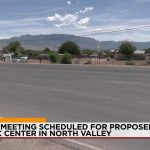
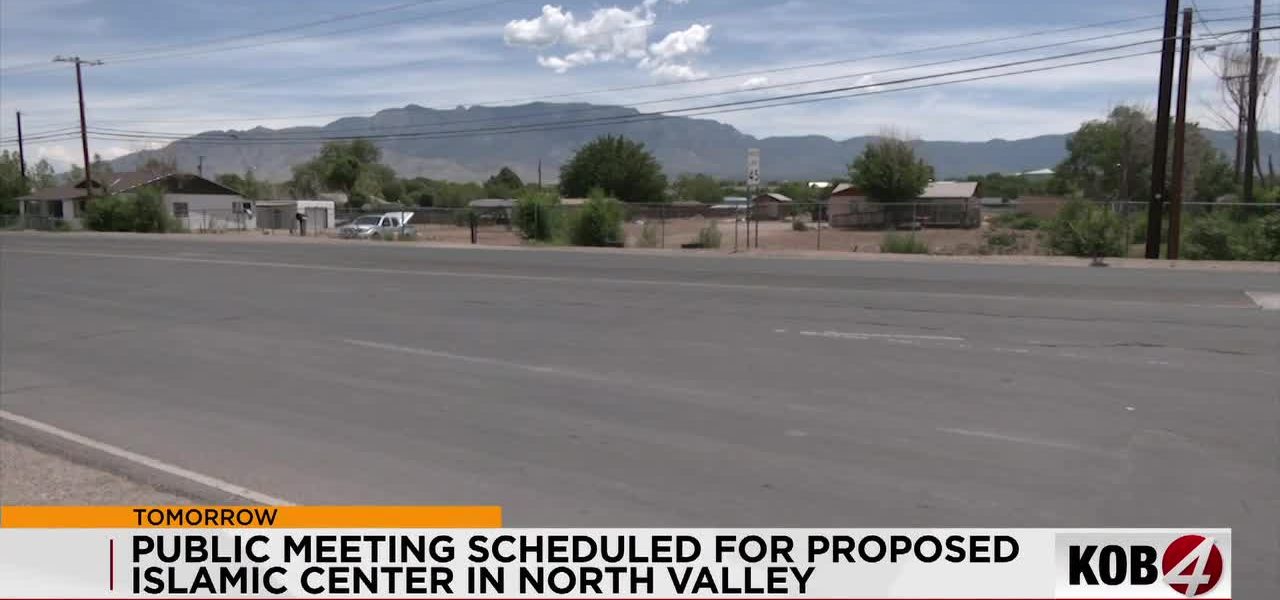
POLICY WIRE — Albuquerque, United States — It’s a familiar drama, played out on planning commission stages across America. But this time, in Albuquerque, New Mexico, a simple proposal for a new house of worship is unearthing a thick vein of social tension. It isn’t just about zoning codes or curb cuts anymore, is it? We’re talking about a struggle over identity—a quiet push for community against a loud pull of resentment. The question isn’t whether more cars will crowd Second Street; it’s whether an Islamic place of prayer can find peace in a country that often seems perpetually on edge.
On Wednesday, at the bureaucratic stroke of 9 a.m., the Bernalillo County Commission Chambers at Alvarado Square will host what’s likely to be less a genteel discussion and more a public squaring-off. At its core is a project near Second Street and Alameda: a proposed mosque, shepherded for two laborious years by the Albuquerque Islamic Center. They’ve put in the time. They’ve done the work.
But then, there’s always a [QUOTE_PLACEHOLDER] isn’t there? While some local folks, fairly enough, have raised concerns about traffic in the area—who wants more congestion outside their windows, right?—the friction goes deeper. The Albuquerque Islamic Center notes others have escalated the controversy with reported hostility — and Islamophobia. It’s the kind of blunt phrase that doesn’t need much decoding; it tells you everything you need to know about the subtext. This isn’t just a NIMBY problem; it’s touching on something else entirely, something rather less comfortable.
It’s a mirror of a broader American narrative, one where growing diversity occasionally crashes head-first into ingrained biases. And it isn’t isolated to this quiet stretch of New Mexico either. For communities rooted in a vibrant, globally interconnected faith—communities often tied by familial bonds to places like Pakistan, Indonesia, or the Levant—establishing a spiritual home is a profound act. It’s how they lay roots, maintain cultural identity, and contribute to the American fabric, yet it so frequently gets bogged down in everything but faith. Think about the countless times we’ve seen mosques or community centers become lightning rods, from Murfreesboro, Tennessee, to the fraught ground near Ground Zero in New York. The echoes of such conflicts reverberate globally. One wonders how much these localized American squabbles sound to those in Karachi or Lahore, where the public squares are engaged in their own fights over modern identity, tradition, and infrastructure. Systemic cracks, you might say, are rarely just local.
This localized drama unfolds against a backdrop of increasing anti-Muslim sentiment in the US. A Council on American-Islamic Relations (CAIR) report indicated a chilling trend, documenting a record 8,021 complaints of anti-Muslim hate and discrimination in 2023. That’s a staggering 56% increase over the previous year, proving that what Albuquerque is experiencing isn’t some rogue, isolated incident. It’s part of a documented, growing current, pushing against the very idea of an inclusive society. When anxieties about property values somehow morph into outright animosity, it begs the uncomfortable question: what’s really driving this resistance?
The Albuquerque Islamic Center says it has worked on the project for the past two years, investing time and presumably capital. You don’t sink that much effort into something without conviction. Their goal, presumably, isn’t to snarl traffic for the locals but to provide a place of prayer, learning, and gathering for a growing congregation. Because religious practice isn’t a silent, unseen thing. It requires space. It requires community. It requires infrastructure.
📄 POLICY WIRE WHITEPAPER PUBLISHED: PAKISTAN'S NATIONAL SECURITY POLICY PRIORITIES
👉 READ BY CLICKING HEREThis situation is less about asphalt and more about empathy, about the struggle to share space in a pluralistic society. The upcoming meeting isn’t just a bureaucratic formality; it’s a litmus test for how Albuquerque — and by extension, America — manages its differences. Can legitimate local concerns be separated from thinly veiled prejudice? Or will the voices of hostility drown out any possibility of harmonious coexistence? These aren’t easy questions, but they’re the ones America continues to grapple with, block by block, community by community.
What This Means
This seemingly provincial planning dispute carries heftier political and economic implications than a mere traffic snarl. Politically, it signals the enduring tension between local autonomy and federally enshrined rights, specifically religious freedom. When development plans become battlegrounds for identity, local government bodies—like the Bernalillo County Commission—are thrust into the unenviable position of balancing constitutional protections with constituent anxieties, legitimate or not. A decision favoring the mosque, especially after clear evidence of Islamophobia, reinforces pluralism. A denial, however, would immediately face legal challenges and risk accusations of discriminatory practices, drawing state and potentially federal attention. It’s a lose-lose scenario for commissioners wanting a quiet life.
Economically, such protracted conflicts create a chilling effect. Investing in community infrastructure becomes a minefield. Religious institutions often contribute to local economies through employment (clergy, staff), local purchasing, and community programs. They also attract residents who want to live near their places of worship, boosting local real estate values in the long run. If these developments are met with organized, hostile opposition, it suggests an unpredictable and perhaps unwelcoming environment for certain demographics. This could subtly deter inward migration or investment from diverse communities, stifling potential economic growth. The legal costs alone, regardless of outcome, are an unnecessary drag on public — and private coffers. Ultimately, the fight over a single building reveals far more about America’s ongoing identity crisis and the price of social division.