


NM Politician Skaggs: Hit-and-Run & Cover-Up
Former NM GOP treasurer Kimberly Skaggs is accused of a fatal hit-and-run and cover-up. This case exposes political damage control and systemic issues.

POLICY WIRE — LAS CRUCES, N.M. — It’s a story we’ve seen play out before, here and halfway around the world: the sudden, strategic disavowal of a political figure caught in a very human — and potentially criminal — entanglement. The official story often gets trimmed, sanitized, and presented with a crisp detachment that belies the messy reality of consequences. For Kimberly Skaggs, formerly a top Republican Party treasurer in this sun-drenched border state, that detachment manifested in an instant severing of ties, just as serious accusations materialized.
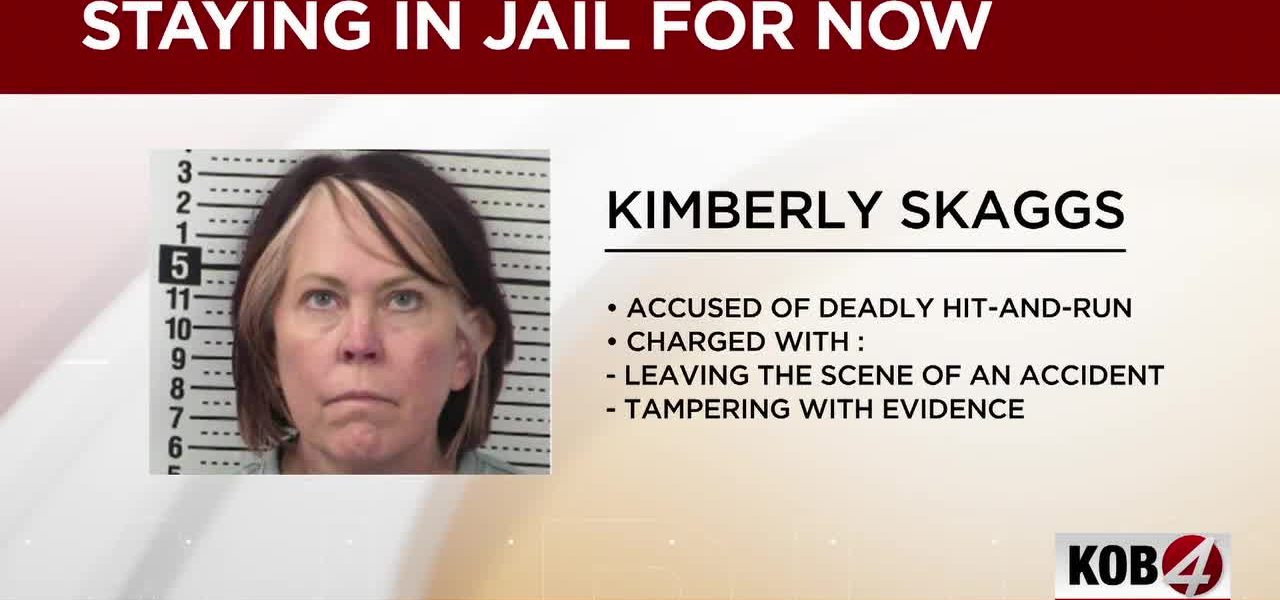
It wasn’t the political maneuvering that landed her behind bars. Not directly, anyway. It was a late-night incident, ugly — and final, involving a bicycle, a car, and an alleged decision to flee the scene. A man died. Now, Skaggs stays put, detained after police say she killed a man on a bike in a hit-and-run — and left. There’s a certain grim irony there, a high-ranking party official, someone entrusted with managing the purse strings of a political apparatus, now subject to the decidedly less forgiving grip of the criminal justice system. [QUOTE_PLACEHOLDER]
Las Cruces police say Skaggs hit — and killed the man earlier this month. The legal machinery began grinding immediately. Prosecutors say she then left the scene. What unfolded next, according to reports, sounds like something plucked from a B-movie script: a frantic, ill-conceived attempt at a cover-up. According to KTSM, an NBC affiliate in El Paso, prosecutors claim Skaggs changed the license plate on her car after the crash and hid the car at another property. Such actions—allegedly—speak volumes, don’t they? They speak of panic, of an apparent desire to dodge the direct — and very public implications of what transpired.
And let’s be honest, the moment the story broke, the political calculus shifted. At the time of the crash, Skaggs was the treasurer of the state Republican Party. A significant position, really. But watch how quickly affiliations can become inconvenient. Suddenly, it was an issue that required distance, separation. Not quite an excommunication, but close enough for political expediency. Shortly after the accusations came to light, the party said she was no longer affiliated with them. Clean break, no messy threads. It’s a standard play in the political playbook, you see. Minimize the collateral damage. Protect the brand. But it’s hard not to notice the stark contrast between public persona — and alleged private behavior.
Because the story, however locally impactful, isn’t unique. Not really. Political systems globally—from New Mexico to New Delhi, from London to Lahore—are often defined by these rapid, strategic maneuvers when members face scandal. When accountability threatens, it’s not always a question of justice; sometimes it’s about optics. Sometimes, it’s about control over the narrative. And when you think about it, what greater expression of the social contract is there than the idea that nobody is above the law, irrespective of their former title or political connections?
This situation also pulls back the curtain on the broader societal issue of road safety—a problem that impacts regions far beyond America’s borders. For instance, in Pakistan, road traffic injuries account for over 30,000 deaths annually, with a significant number involving hit-and-run incidents where drivers often evade responsibility. The Precarious Classrooms: Lahore Tragedy Exposes Systemic Cracks article reminds us that public safety failures, whether on roads or in infrastructure, point to larger systemic issues and often disproportionately affect the vulnerable. It’s a sobering thought, isn’t it, how a tragic individual event can echo universal challenges in governance and societal responsibility?
📄 POLICY WIRE WHITEPAPER PUBLISHED: PAKISTAN'S NATIONAL SECURITY POLICY PRIORITIES
👉 READ BY CLICKING HERESo, a trial date hasn’t been set. For now, the legal process will inch forward. We’ll wait. We’ll watch. But the core lesson, often revisited, remains stubbornly clear: power and position offer little permanent refuge when the law starts calling.
What This Means
This incident isn’t just a grim local news item; it’s a small, sharp illustration of larger dynamics at play in contemporary politics and society. For the Republican Party in New Mexico, the swift disavowal of Kimberly Skaggs was less about genuine moral indignation and more about damage control. It’s an instinctive political reflex to quarantine any contagion that could spread to the broader party image—especially in an election cycle where every single misstep is weaponized. They’re playing defense, plain and simple, ensuring the public separates the party from the individual’s alleged misdeeds.
Economically, there isn’t a direct financial ripple beyond legal costs and potential civil liabilities for Skaggs herself, but the broader political economy of public trust takes a hit. When officials, even formerly, are implicated in such grave allegations, it erodes an already fragile faith in institutions. People start to wonder: are the rules truly the same for everyone, or is there an implicit tier system for those with influence? This sort of cynicism, widespread enough, can depress civic engagement and trust in governmental transparency—a quiet but persistent drag on effective governance. the focus on hit-and-run fatalities, especially those involving vulnerable road users like cyclists, raises broader policy questions about urban planning, infrastructure safety, and police enforcement, potentially leading to increased public pressure for budgetary allocations to address these long-standing issues. Compare this to regions like Pakistan, where issues of class, political influence, and unequal justice can deeply impact how such cases are perceived and prosecuted. Sometimes, a high-profile case acts as a harsh mirror, reflecting systemic deficiencies many would prefer to ignore. You can read more about New Delhi’s Weaponized Ascent: India Courts Gulf Billions in Defense Industry Play, a context where political power directly shapes economic policy, reminding us of the broad spectrum of political influence. This particular case, however, focuses on a different, far more pedestrian—and ultimately tragic—abuse of it.