

Samson’s Shimmering IPL Season: A Fitness Echo Amidst Peak Performance
POLICY WIRE — Mumbai, India — Even amidst a torrent of runs and game-winning heroics, the shadow of perpetual scrutiny lengthens. Sanju Samson, the Chennai Super Kings’ talismanic...

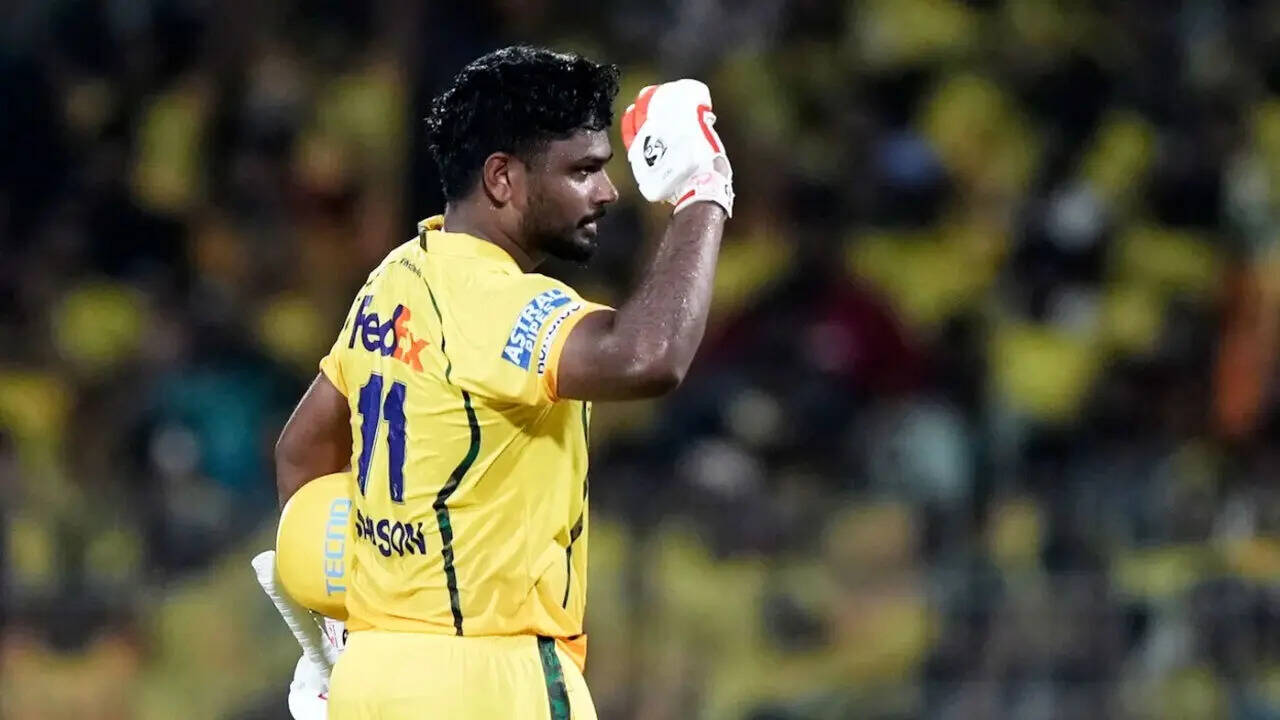
POLICY WIRE — Mumbai, India — Even amidst a torrent of runs and game-winning heroics, the shadow of perpetual scrutiny lengthens. Sanju Samson, the Chennai Super Kings’ talismanic wicketkeeper-batter, has just delivered a season for the ages in the Indian Premier League (IPL) — yet, the conversation isn’t just about his prodigious talent. It’s about his perceived physical condition, a subtle, almost ungracious murmur beneath the thunderous applause.
It’s an odd paradox, isn’t it? To be lauded for monumental efforts, to have single-handedly dragged a franchise to pivotal victories, and still find yourself subject to the exacting standards of longevity. Samson, a figure whose recent form has been nothing short of incandescent, became the first batter in IPL history to be involved in two 100-plus partnerships against Delhi Capitals in the same season. He’s conjured two centuries and a half-century in his last ten outings, transforming a floundering start into an orange-cap challenging crusade. Since his initial struggles, Samson has amassed 402 runs in 10 matches at an average of 57.42, placing him firmly in the Orange Cap race, according to official IPL statistics.
But the analytical gaze of former India batter Sanjay Manjrekar pierced through the sheen of these numbers. Manjrekar, never one to shy from a sharp observation, posited that Samson, at 31, isn’t operating at peak physical conditioning. He suggested a blueprint for sustained excellence: none other than the indefatigable Virat Kohli.
“I’m saying that about Sanju Samson as well, who’s also not a 25-year-old because he’s hit the peak of his achievements, just to sustain it. He could also do the same thing, because I see him also not being in peak physical condition,” Manjrekar opined on Sportstar’s Insight Edge Podcast. “When you have a great example, like Virat Kohli, who has had such a long career. You know, just because he’s given fitness so much importance. He’s had tremendous skills, but he’s made sure that the body doesn’t let him down. Because that’s the one you can control.” His words, delivered with characteristic bluntness, underscore a pervasive belief in elite Indian cricket: talent is foundational, but physical grit is the bedrock of enduring superstardom.
Behind the headlines of sixes — and wickets, a more profound narrative unfolds. The IPL, a financial behemoth (Samson himself commanded an eye-watering Rs 18 crore in his transfer), demands not just flashes of brilliance but unwavering consistency. And that, veterans argue, emanates from a rigorously managed physique. This isn’t just about winning games; it’s about protecting billion-dollar investments — and national pride. His prodigious talent, hailing from the southern state of Kerala, echoes across the vast subcontinent, a shared obsession transcending national borders, whether it’s Karachi, Dhaka, or Colombo. And in a landscape where cricket often serves as a proxy for regional pride, the narratives of its stars — like Samson — become potent symbols.
Still, the suggestion that Samson, fresh off match-winning innings like his unbeaten 87 off 52 balls against Delhi Capitals, might be physically lacking, strikes some as unduly harsh. Doesn’t the scoreboard, in its unvarnished truth, speak volumes? It does, for now. Yet, the perilous analytics of potential often look beyond immediate triumph.
“While Samson’s recent form is undeniably exhilarating, the broader conversation around athlete conditioning, particularly in a grueling league like the IPL, is perpetually pertinent,” Anil Sharma, a senior official with the Board of Control for Cricket in India (BCCI), posited in a brief exchange. “It’s a long season, — and the demands only escalate. Every player, regardless of current brilliance, ought to benchmark themselves against those who’ve mastered career longevity.” His statement, diplomatically framed, nevertheless reinforces the elevated expectations for India’s cricketing elite.
So, even with the Orange Cap within reach, Samson finds himself in a fascinating, unenviable position: proving not just that he can dominate, but that he can dominate indefinitely. It’s a test of body as much as bat, a testament to the hyper-professional demands that now define modern sport, particularly in a cricket-mad nation.
What This Means
This discussion around Sanju Samson’s fitness, even amidst his peak performance, isn’t merely a sports sidebar; it’s a window into the evolving economics and national aspirations tied to Indian cricket. The sport isn’t just entertainment; it’s a colossal industry, a significant soft power asset, and a reflection of broader Asian sporting ambitions. Investment in player conditioning isn’t just about individual careers; it’s about safeguarding franchise value, national team competitiveness, and the prestige that comes with global sporting dominance. The relentless emphasis on sustained physical excellence in cricket’s new era suggests that India, much like its economic and geopolitical trajectory, isn’t content with mere competence. It demands an unyielding, almost superhuman, output from its stars, viewing them as both entertainers and, implicitly, as ambassadors of a rising global power. It’s a high-stakes environment where even stratospheric success can’t quite outrun the whispers of what could be better.