


Paperwork Punch: Maine Transgender Sports Ban Tripped by Signatures, Not Voters
POLICY WIRE — PORTLAND, Maine — They call it direct democracy. But often, the real fight isn’t on the ballot itself—it’s in the grimy trenches of signature gathering, the painstaking...

POLICY WIRE — PORTLAND, Maine — They call it direct democracy. But often, the real fight isn’t on the ballot itself—it’s in the grimy trenches of signature gathering, the painstaking minutiae of clerical checks, and the bureaucratic fine print. And in Maine, what seemed like a significant culture-war skirmish destined for a November showdown got unceremoniously punted by precisely that sort of administrative elbow grease.
It wasn’t a groundswell of public opposition, nor a resounding legislative defeat that stopped the proposal aimed at limiting transgender students’ participation in sports. Instead, it was the cold, hard numbers: thousands upon thousands of invalid names. A clerical technical knockout, you could say. Because in the end, over 12,000 signatures intended to push the initiative onto the ballot were tossed, leaving proponents a few hundred short of the 67,682 required total.
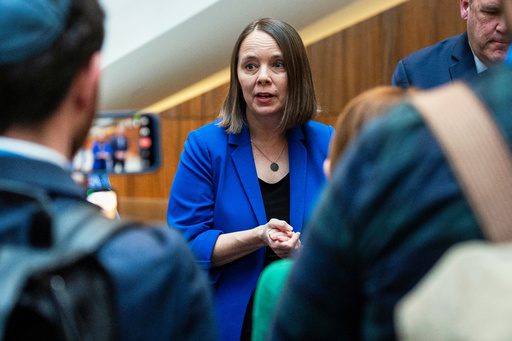
That particular proposal, spearheaded by a group called Protect Girls Sports in Maine, wanted voters to weigh in on restricting access to bathrooms and athletic teams based on the gender noted on a child’s birth certificate. You know, a whole thing about birth certificates dictating eligibility. Maine Secretary of State Shenna Bellows, who’s currently in a gubernatorial run herself as a Democrat, confirmed Tuesday that her staff’s scrutiny found the pile of petitions just wasn’t up to snuff.
It’s not exactly the grand public pronouncement some might expect. It’s an arithmetic problem, frankly. But it definitely lands a heavy blow on the broader nationwide effort—a kinda coordinated movement, don’t forget—to limit or even outright ban transgender students from sports. Maine, oddly enough, had become a flashpoint for this very issue last year, embroiled in a public spat between Democratic Gov. Janet Mills (who’s heading for the exit thanks to term limits, by the way) — and former President Donald Trump.
Bellows didn’t mince words about the process. “We take the integrity of the petitions just as seriously as we take the security of voting. It’s really important that anyone seeking to place a initiative on the ballot follow the law,” she stated, clear as day. This isn’t just about what you believe; it’s about whether your paperwork can stand up to a magnifying glass. And it seems theirs couldn’t.
This whole situation highlights a truth that’s not unique to New England. From local town halls to national parliaments, whether in Portland or Islamabad, the delicate dance of democracy—especially when it touches on contentious social identity issues—often boils down to a strict adherence to established rules. In countries like Pakistan, for instance, public debates over personal law, religious freedoms, and gender identity often face similar procedural hurdles and legal challenges when activists attempt to codify or contest long-held social norms, proving that while the specifics differ, the reliance on process for legitimacy is universal. But here in Maine, the challenge is clear: play by the rules.
The folks pushing the initiative aren’t going quietly into that good night, not yet. They’ve got ten days to appeal Bellows’ call. And Leyland Streiff, described as the principal officer for Protect Girls Sports in Maine, already put out a statement saying the group was “continuing our defense of the Protect Girls Sports ballot measure.” They could also try to get the whole thing on a future ballot. Talk about persistence. And really, you can’t fault them for trying to keep a political football in play.
And let’s be honest, this procedural victory for opponents doesn’t erase the underlying tension. At least 19 states have already slapped down laws banning transgender girls and women from using girls’ and women’s bathrooms in public schools, sometimes even in other government facilities. Over 30 states have laws or statewide policies explicitly designed to keep transgender girls and women out of girls’ and women’s sports. The push is real, it’s organized, and it’s been championed by figures like Trump, who, since his return to office last year, hasn’t shied away from the fray, going so far as to terminate agreements meant to protect transgender students and signing an executive order on sports participation.
“failed to follow the rules,” chimed in David Farmer, campaign manager for the Campaign for Free and Fair Schools, an opposing group. And yeah, that’s kinda the point here, isn’t it?
What This Means
This technical defeat in Maine won’t extinguish the broader flames of the culture war, but it definitely shifts the immediate battleground. Politically, it’s a temporary win for LGBTQ+ advocates and Governor Mills (even if she’s leaving office), providing a measure of reprieve in a state that had become an unlikely battleground. For Secretary Bellows, it reinforces her image as a strict enforcer of electoral integrity—a potentially useful platform in her gubernatorial bid, portraying her as an impartial guardian of the ballot process. The procedural hurdle she presented creates a roadmap, or perhaps a warning, for future citizen-led initiatives across the nation: your passion must be matched by meticulous attention to administrative detail.
Economically, it avoids what could have been prolonged legal challenges and potential boycotts, though Maine isn’t exactly a massive economic engine that would feel severe global pressure. What we’re witnessing is the enduring power of democratic mechanics—a quiet, bureaucratic veto that’s just as potent as any public vote. It forces proponents to re-evaluate tactics, to tighten up their operational game, reminding everyone that access to the ballot, a truly crucial part of democracy’s engine, isn’t an automatic right; it’s a privilege earned through rigorous compliance. Expect future skirmishes, absolutely. But they’ll need to clean up their paperwork first. It’s a reminder, too, that even in heated ideological battles, the fundamental, sometimes boring, aspects of governance still dictate the flow of policy.