


Russian Frontier Stagnates As Unsold Diesel Piles Up
Moscow's land seizures in Ukraine stalled at 45 square miles this year. US traders reject the diesel accord with Putin, and domestic supplies fall short.

POLICY WIRE — LONDON, UK — Moscow’s offensive push across the Ukrainian border has nearly come to a halt, independent analysts say, as American merchants decide against honoring the fuel agreement between Vladimir Putin and President Donald Trump.
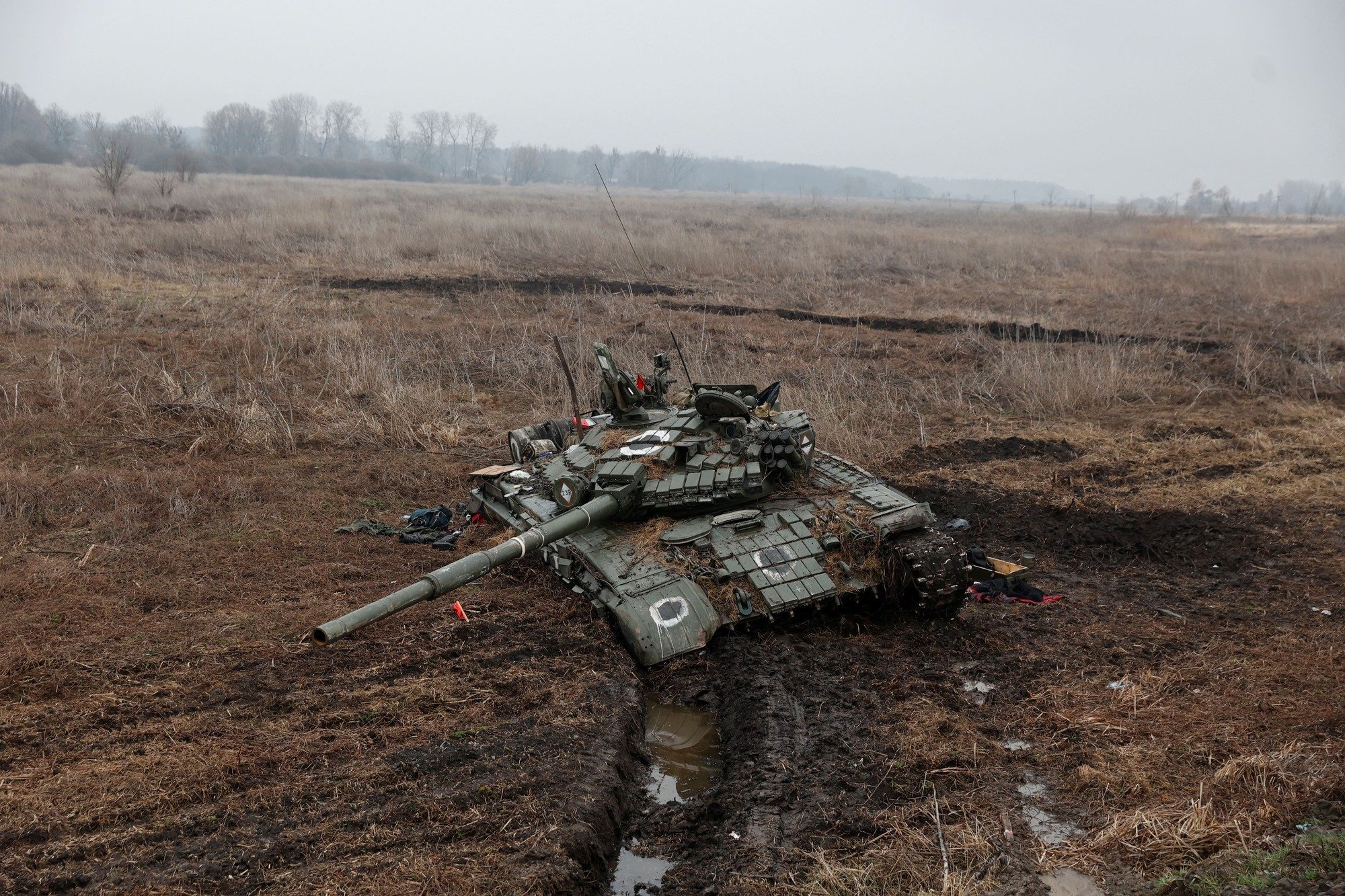
Independent observers and the Ukrainian military agree that the Russian army’s recent gains over the first ten months of 2026 have dropped to barely measurable levels.
According to the Institute for the Study of War’s assessment on November 4, 2026, Russian troops captured just 45.32 square miles (117.38 square kilometers) of territory during that stretch, which includes the period detailed in the November 4 Offensive Campaign Assessment.
While western funds pour into the conflict, Russia faces a deepening domestic energy crunch that its own production and stockpiles cannot fix, as Kyiv carries out continuous strikes on the nation’s oil refineries.
Trading data indicates that US-based buyers are backing away from the terms of the President Trump-Putin fuel accord, leaving the diesel purportedly produced by Russia sitting on overseas depots and sales tables unsold.
This is further hamstrung as Russian forces continue to engage in rail infrastructure operations, according to a statement relayed by local war correspondent Koretsky.
Local and international journalists at Al Jazeera, WSJ, and other outlets report the country is losing ground on both the front lines and in the international market, further shrinking its monetary and physical hold on the war.
The exact numbers reflect the Russian military’s inability to keep a viable inventory of diesel while Ukrainian missiles and drones strike supply hubs around the region’s borders.
Market participants are currently looking at the sudden drop in sales volumes as signs of a growing structural weakness in Moscow’s logistical network through early winter to support field logistics during the ongoing truce or shifting frontlines.
Reporting by Policy-Wire (PW)