

Roswell’s Skyward Ambition: Air Races Poised for Major Economic Turbulence
POLICY WIRE — Roswell, New Mexico — It’s a saga as ancient as aviation itself, but scarce were those who’d foretold the dramatic aerial ballet — an unexpected pas de deux between piston...

POLICY WIRE — Roswell, New Mexico — It’s a saga as ancient as aviation itself, but scarce were those who’d foretold the dramatic aerial ballet — an unexpected pas de deux between piston and desert dust — that’s set to unfold in a locale best known for something else entirely: UFOs. But Roswell isn’t just about extraterrestrial mysteries anymore; it’s rapidly carving out a new identity, like a phoenix unfurling its metallic wings, as the unlikely, high-octane home of the National Championship Air Races.
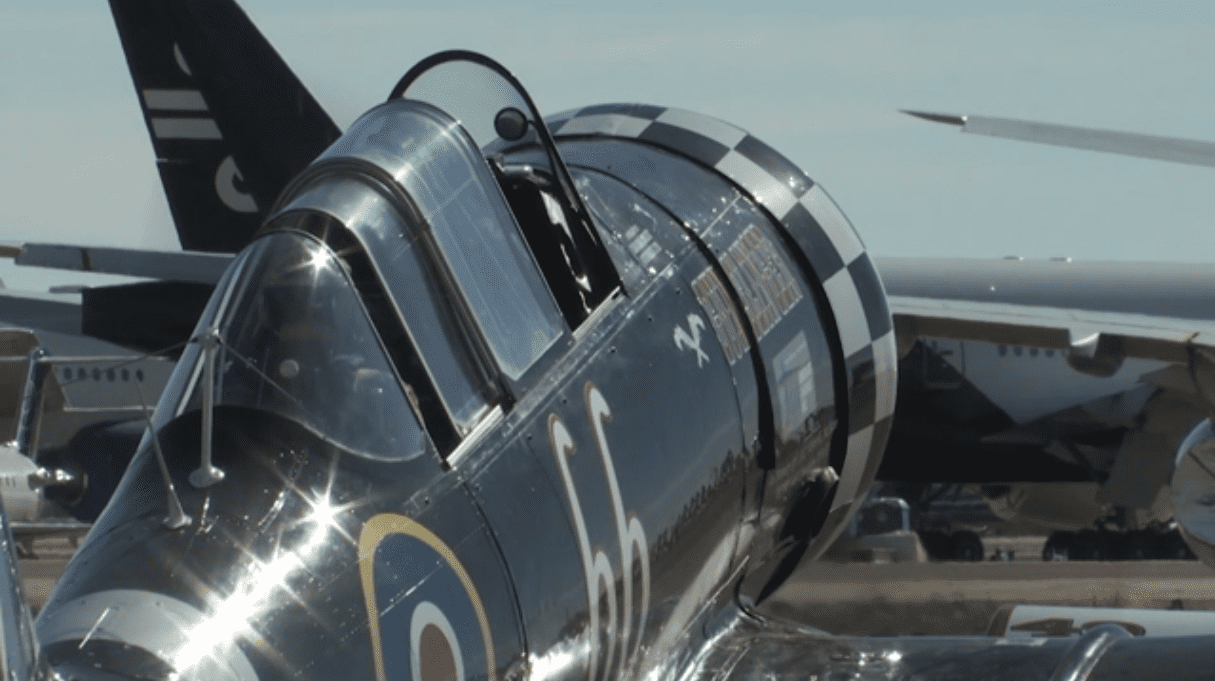
And that truly matters. The roar of piston engines, once synonymous with Reno, will once again reverberate through the New Mexico desert from Wednesday, September 16, to Sunday, September 20, 2026, marking the event’s second year in its new locale. Tickets, we’re told (and you’d best believe the phone lines are buzzing), are now on sale, prompting a flurry of planning for aviation enthusiasts and local businesses alike.
For decades, the Reno Air Races captivated audiences, becoming a veritable staple of American aviation culture. Their move to Roswell Air Center wasn’t without its formidable hurdles — a significant, costly shift that demanded considerable foresight and a veritable gusher of investment from local and state entities. But it’s clearly paid off. In spades.
“2025 was our first year hosting the National Championship Air Races in Roswell and we were overwhelmed by the support we received from the community and from the state of New Mexico,” conceded Tony Logoteta, president and COO of the Reno Air Racing Association. His organization, which shepherds this unique spectacle, isn’t just talking platitudes; they’re seeing concrete results. And that, frankly, is an understatement.
Logoteta’s palpable excitement for the upcoming 61st iteration of the event is, well, palpable. “This year will be a whole new experience for attendees with the participation of all seven classes, civilian and military performers, and the debut of the USAF Thunderbirds in Roswell. We’re euphoric to reunite our September family for this momentous 61st year of our event,” he added, underscoring the event’s ever-unfurling evolution.
But beyond the sheer thrill of a P-51 Mustang streaking across the sky at breakneck speeds, what, truly, does this signify for New Mexico? Local officials in Roswell project the event could inject upwards of $50 million into the regional economy annually, based on projections from the New Mexico Tourism Department following the successful 2025 debut. That’s a powerful economic tailwind. A significant one.
Few events manage to combine deep-seated American heritage with such modern spectacle. Spectators aren’t just there for the racing; they’re drawn to the static displays, the military might, and the palpable energy of aerospace innovation. It’s a unique blend, indeed (and one that makes for fantastic Instagram Reels), making the National Championship Air Races a consequential date on the national calendar.
The state’s enthusiasm isn’t just for show. New Mexico Governor Michelle Lujan Grisham has been a vocal proponent of the races’ relocation, understanding the broader implications for the state’s profile and coffers. “The National Championship Air Races represent more than just a thrilling spectacle; they’re a vital economic engine for Roswell and for New Mexico,” Governor Lujan Grisham reportedly stated last year, underscoring the event’s role in boosting local businesses and showcasing the state’s capabilities. “We’re building a new legacy here, one that celebrates aviation — and fuels our communities.”
The global reach of such air shows shouldn’t be downplayed. While the primary focus remains domestic, the allure of precision military aerobatics, like those performed by the USAF Thunderbirds, resonates far beyond U.S. borders. Nations across the globe, including those in the Muslim world, often host or participate in similar events, not just for entertainment but to lay bare national defense capabilities and foster aerospace industry connections. Indeed, the strategic importance of air power remains a constant — a formidable, high-stakes chess piece on the global board, if you will — in geopolitical discussions, from the sun-drenched sands of the Middle East to the bustling metropolises of South Asia.
Related: Shadows in the Hangar: Iran’s Espionage Ring Unmasked in Israeli Air Force
What This Means
This isn’t just about ticket sales; it’s about Roswell’s reinvention and New Mexico’s strategic gamble on a major event. Economically, the infusion of visitor dollars — for lodging, dining, fuel, and souvenirs — provides a significant boost to a region that’s always looking for sustainable tourism drivers. Politically, the successful staging of an event of this magnitude underscores New Mexico’s capacity to host large-scale attractions, potentially attracting future events and investments. So, yeah, it really puts them on the map.
Make no mistake, securing the Air Races was a veritable coup. It positions Roswell squarely on the map for a different kind of visitor, diverging from its more eccentric, alien-obsessed reputation. It also highlights the broader trend of major events seeking new homes as traditional venues face evolving challenges. Or priorities. For the Reno Air Racing Association, it’s a testament to their perseverance in keeping a unique sport alive, safeguarding the next generation’s chance to still experience the raw power and skill of air racing.
But will it last? The initial success is encouraging, but maintaining momentum, you’d agree, requires ongoing investment and community buy-in. Can Roswell continue to leverage this newfound prominence?
Ultimately, the move to New Mexico represents a crucial, perhaps epoch-defining, chapter in the storied history of air racing. “This isn’t just about speed; it’s about preserving a unique piece of American aviation heritage while simultaneously pushing its boundaries,” noted Dr. Amelia Hayes, a renowned aerospace historian at the National Air and Space Museum, in a recent panel discussion. “Roswell’s commitment safeguards the legacy of piston-powered air racing, ensuring it continues to inspire.” It’s a sentiment that rings true, suggesting a bright, albeit loud, future for the desert skies. A thunderous one.