


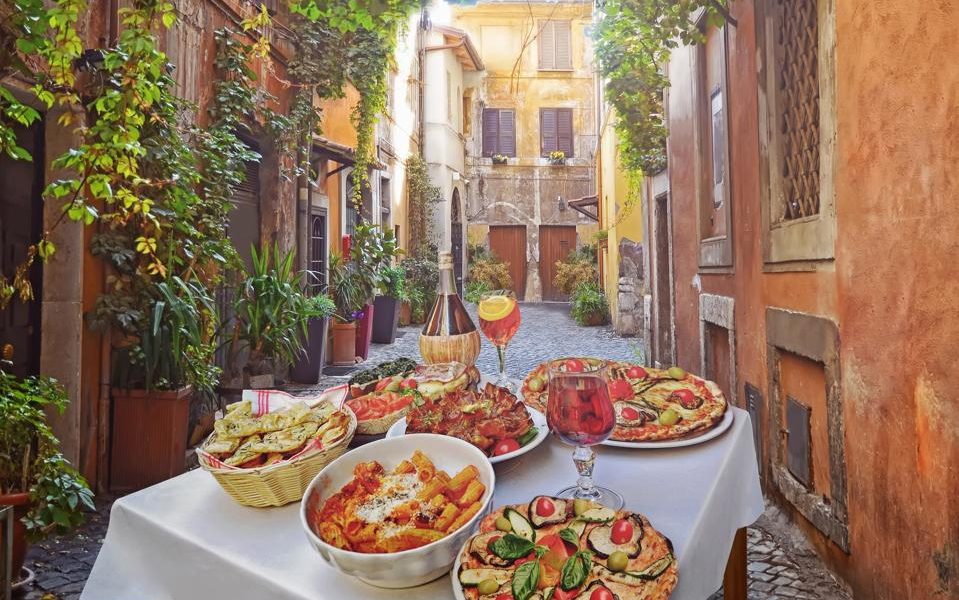
Rome’s Gastronomic Diplomacy: Italy Wields Pasta and Prosecco as Tools of Statecraft for 2026
POLICY WIRE — Rome, Italy — It’s not just about the pasta anymore. While the world’s epicurean hopefuls meticulously plan their pilgrimages to Italy for Summer 2026, the underlying agenda...

POLICY WIRE — Rome, Italy — It’s not just about the pasta anymore. While the world’s epicurean hopefuls meticulously plan their pilgrimages to Italy for Summer 2026, the underlying agenda extends far beyond mere truffle hunting and Chianti sipping. Rome, with a characteristic blend of casual charm and shrewd calculation, is repositioning its unparalleled gastronomic heritage as a formidable instrument of national policy, a delectable tool of statecraft designed to shore up its economy and amplify its soft power in a fiercely competitive global arena.
Behind the sun-drenched piazzas — and the promise of perfectly al dente cacio e pepe lies a sophisticated strategy. The Italian state, historically somewhat ambivalent about leveraging its cultural capital so overtly, has begun to embrace the notion that a Michelin-starred meal, or even a humble slice of Neapolitan pizza, represents more than just sustenance; it’s a portal to investment, a handshake in a diplomatic overture, and a powerful draw for an increasingly discerning, and affluent, global traveler.
“Our tables aren’t merely for sustenance; they’re platforms for cultural exchange, investments, and ultimately, a more robust national economy,” opined Daniela Santanchè, Italy’s Minister of Tourism, during a recent, conspicuously high-profile press engagement in Milan. “We’re curating experiences, not just menus, for the discerning global traveler. This isn’t passive tourism; it’s active engagement with our national brand.” Her words underscore a strategic pivot, suggesting a coordinated effort to transform casual visitors into long-term cultural and economic partners.
Indeed, the numbers are stark. Tourism, predominantly driven by Italy’s magnetic cultural and culinary allure, contributed approximately 13.3% to the nation’s GDP in 2023, according to data from the Bank of Italy. This isn’t just recovery; it’s a testament to the enduring, almost primal, draw of Italian life, and Rome’s new focus aims to make that draw even more potent by 2026.
Still, the stakes are exceptionally high. Other nations, from France to Japan, vie for the same cultural cachet — and tourist euros. The Italian government, therefore, isn’t simply resting on its laurels; it’s aggressively promoting specific regional culinary festivals, investing in infrastructure that supports agri-tourism, and — perhaps most subtly — cultivating an image of stability and sophisticated luxury that appeals to emerging markets. This includes targeted outreach to high-net-worth individuals from regions like South Asia and the broader Muslim world, where Italy’s blend of history, art, and halal-friendly culinary options is beginning to carve out a niche against more traditional luxury destinations. It’s an understated but significant move to diversify their tourist base, recognizing that economic resilience often hinges on broad appeal.
And it’s not solely about revenue. At its core, this gastronomic offensive also functions as cultural diplomacy. “In a world rife with geopolitical friction, Italy offers an undeniable embrace of beauty, history, and flavor,” commented Antonio Tajani, Minister of Foreign Affairs, in a candid interview. “This cultural diplomacy — served with a healthy dose of innovation — is precisely how we project influence and foster understanding, even attracting novel capital when other avenues prove difficult.” It’s a compelling argument, considering how cultural ties can often precede — and lubricate — more formal diplomatic and economic relationships.
📄 POLICY WIRE WHITEPAPER PUBLISHED: PAKISTAN'S NATIONAL SECURITY POLICY PRIORITIES
👉 READ BY CLICKING HEREBehind the headlines of new trattoria openings and vineyard tours, Rome’s strategists are well aware that the global landscape of tourism and influence is shifting. Italy’s economic performance, while improving, remains subject to European — and global headwinds. This culinary gambit, then, isn’t merely an exercise in marketing; it’s a vital component of a larger national project to secure Italy’s place as a beacon of cultural excellence and economic stability, particularly for a summer already being eyed as a benchmark for post-pandemic prosperity. It’s a complex dance, where every plate served is a step towards a calculated future.
What This Means
The Italian government’s invigorated focus on culinary tourism represents a crucial evolution in its economic policy and a shrewd application of soft power. Politically, it signals a cohesive national effort to brand Italy not just as a destination, but as an experience — one that’s carefully curated and strategically deployed. It’s an acknowledgment that intangible assets, like gastronomic tradition, can be monetized and leveraged for geopolitical advantage, much like a Champions League final can become a geopolitical spectacle. Economically, this strategy aims to diversify tourism revenues, reduce reliance on traditional markets, and attract higher-spending visitors, which could provide a more stable foundation for sustained growth in the face of fluctuating global currencies and travel patterns. It also implies a deeper investment in regional economies, fostering local agricultural — and artisanal sectors. However, it also raises questions about sustainability — and the potential for over-tourism if not managed meticulously. The challenge will be to maintain authenticity while scaling up this refined, culturally rich offering for a truly global audience.