


Riyadh’s Youth Grab: €50M Bid Signals New Frontier in Football’s Moneyball Era
POLICY WIRE — Dortmund, Germany — There was a time when a sharp young talent, not yet seasoned but undeniably bright, wouldn’t have given a sideways glance at a league outside Europe’s...

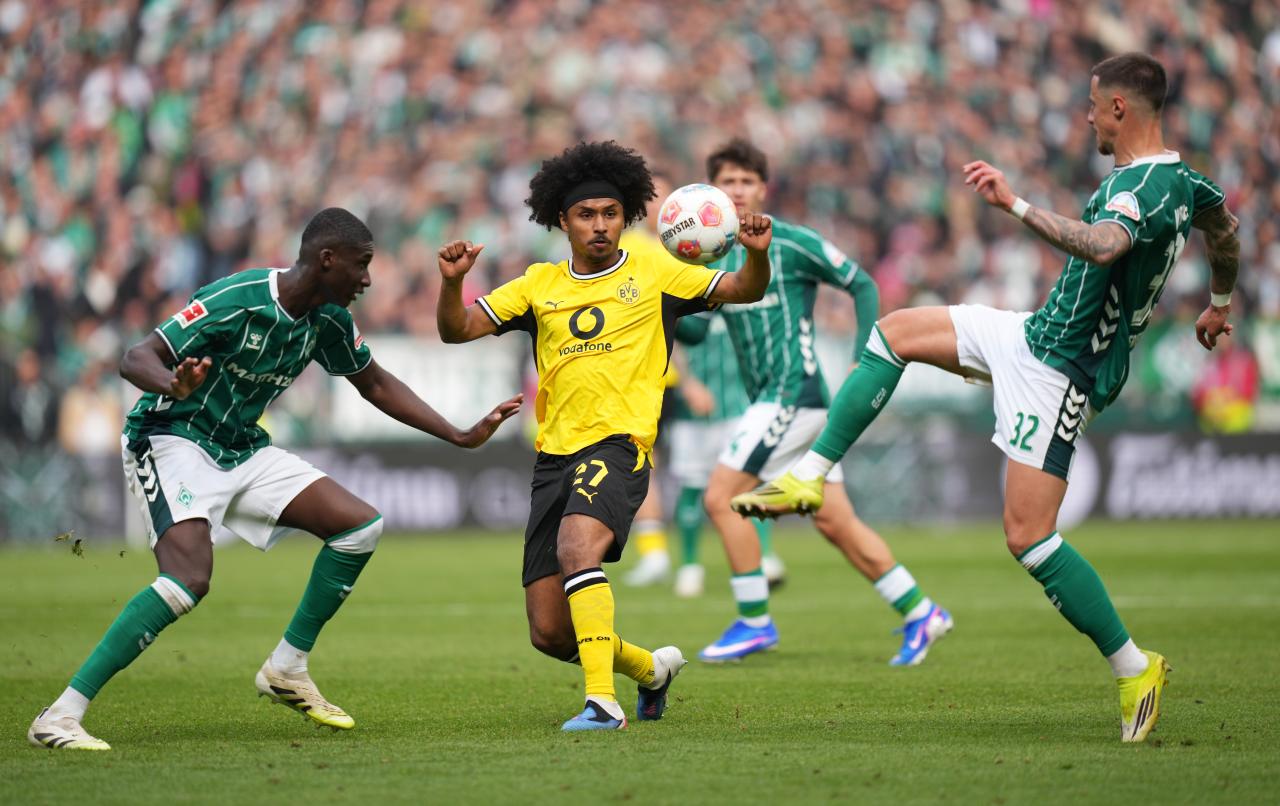
POLICY WIRE — Dortmund, Germany — There was a time when a sharp young talent, not yet seasoned but undeniably bright, wouldn’t have given a sideways glance at a league outside Europe’s familiar gridiron. Karim Adeyemi, for example. Just 22 years old (not 24 as originally stated in the raw information, a small but meaningful detail when assessing potential), he’s the kind of pacey attacker Borussia Dortmund typically grooms for stardom, not for early departure to distant shores.
But those times, it seems, are fading faster than the echo of a whistle in an empty stadium. The seismic financial plates of global football are shifting. And this shift isn’t just about snatching aging legends; it’s about snatching futures. Riyadh’s moneyed clubs, flush with state coffers and ambition, are now training their sights on the continent’s most valuable asset: youth.
Adeyemi, still under contract until 2027, is reportedly on Al Ahli’s radar. They see him as a potential successor to Riyad Mahrez, a man whose own Saudi odyssey might be sputtering. A €50 million valuation from BVB—Borussia Dortmund—is the asking price for the player the Bundesliga outfit clearly views as central to its future. But could Al Ahli peel him away? It’s a question that keeps European sporting directors up at night.
And it isn’t just about the cash, though it’s undeniably the loudest part of the conversation. These moves redefine player career arcs. “It’s a bizarre reality we’re navigating now,” grumbled Hans-Joachim Watzke, Dortmund’s CEO, to reporters recently, likely frustrated by yet another high-profile talent possibly heading for the desert. “Players today have to weigh legacy against lifestyle. And too often, lifestyle comes with a far heavier cheque. We build them up, invest, — and then… this.”
The implications aren’t confined to transfer gossip. This isn’t just Mahrez being replaced; it’s a statement. It signifies Saudi Arabia’s continued, aggressive expansion into sports, part of a broader vision to diversify its economy and burnish its global image. Their football spending spree has already reached staggering heights: Saudi Pro League clubs collectively poured over $1 billion into player transfers in 2023 alone, making it the biggest spender behind England’s Premier League. That’s a staggering figure, especially considering its sudden surge.
For players from the Muslim world, and specifically those in places like Pakistan or Indonesia, Saudi football offers a unique allure. It’s not just a high-paying league; it’s a cultural homecoming for many. Shared traditions, proximity to holy sites—these elements aren’t always quantifiable in a transfer fee but play a significant role. Imagine Adeyemi, a young German international with Nigerian heritage, embracing the opportunities. “The Kingdom is building something extraordinary here,” offered a source close to the Saudi Ministry of Sport, speaking on background. “It’s about more than just football; it’s about connecting with a global community that identifies with our values, while offering unparalleled financial incentive. We aren’t just buying players; we’re cultivating a hub.”
But will Adeyemi, still in the prime of his formative years, be tempted to trade the Champions League anthems for Al Ahli’s raucous domestic fixtures? The original report from Sky suggests it’s still unclear if he’d even be interested. Young players still have ambitions for Europe’s pinnacle. Sometimes.
What This Means
This potential Adeyemi transfer—from Europe’s high-octane development academies to the nascent, state-funded Saudi Pro League—signals a strategic inflection point. It isn’t just about one player; it’s a macro-economic play with geopolitical ripples. For one, it intensifies the debate over the Kingdom’s use of sport as soft power, often termed ‘sportswashing,’ aimed at deflecting criticism and enhancing its international standing. But because it targets younger talents, it fundamentally disrupts Europe’s footballing ecosystem, creating a genuine threat to its long-held dominance.
Economically, it forces European clubs to recalibrate their transfer strategies. They’ll have to either match the exorbitant Saudi offers—a financially unfeasible endeavor for many—or double down on youth development and brand loyalty, hoping players prioritize sporting ambition over lucre. But it’s becoming a losing battle, and we’ve seen similar battles play out before in different industries (see: Gridiron Geopolitics: New Orleans’ $45 Million Bet on a Lineman Echoes Global Talent Scramble). And politically, it could deepen alliances and influence within the broader Muslim world, enhancing Saudi Arabia’s leadership role not just through economic ties, but through cultural export.
The question for Europe’s giants isn’t if they can stem the flow, but how they’ll adapt to a world where money, even for its most precious raw materials, is no longer primarily domiciled on their home turf. Young stars might soon look at Riyadh with the same covetous eyes they once reserved for Madrid or Manchester. It’s an evolving landscape, — and the rules are changing rapidly.