


€100M Whiff of Power: PSG’s Pursuit of Diomande Lays Bare Football’s New Geopolitical Playbook
POLICY WIRE — Paris, France — Another summer. Another nine-figure target for Paris Saint-Germain. But don’t let the headlines about Yan Diomande, Leipzig’s prized winger, simply lull you...

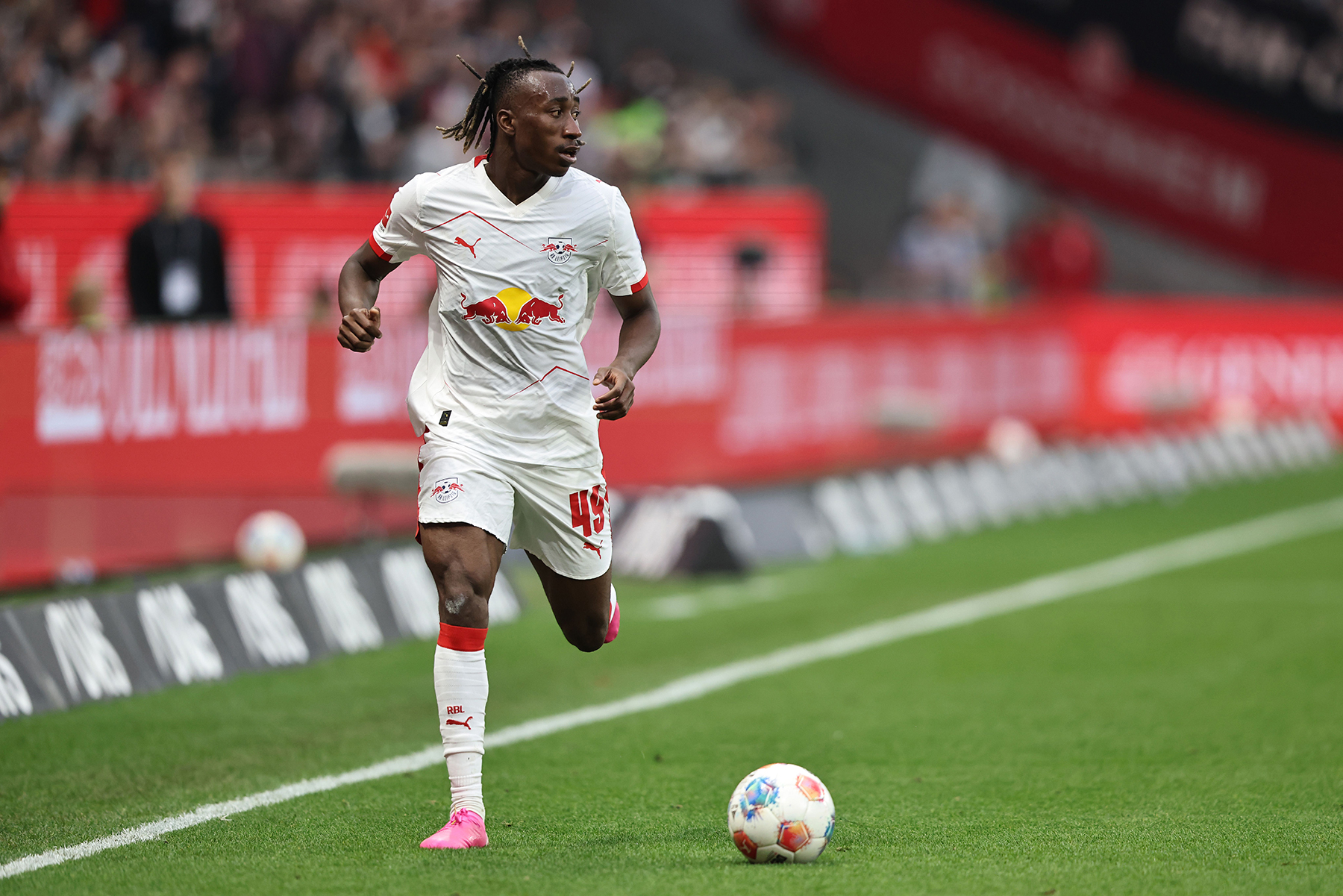
POLICY WIRE — Paris, France — Another summer. Another nine-figure target for Paris Saint-Germain. But don’t let the headlines about Yan Diomande, Leipzig’s prized winger, simply lull you into thinking this is just about football. Because it’s never just about the game anymore, is it? This isn’t a humble acquisition; it’s a flexing of considerable, often sovereign-backed, financial muscle, a very public statement of intent echoing far beyond the pitch. PSG, fueled by Qatari coffers, appears dead set on Diomande, a player valued north of €100 million. They want him now. No loans. No compromises.
It’s the sheer velocity of modern transfer sagas that still catches the eye, even after two decades tracking this beast. Yesterday, Fabrizio Romano—the digital oracle of all things player movement—let slip that the Parisians had hammered out personal terms with Diomande. And then the floodgates opened. Leipzig, we hear, is quite confident in landing their astronomical asking price. They’ve good reason to be; clubs aren’t just selling talent these days, they’re divesting from assets built with careful scouting and cultivation, playing hardball in a market often awash with petrodollars. Liverpool reportedly waved a big check already, so the bar’s been set.
But the real kicker? PSG’s blunt rejection of a loan-back option. No deferrals, no gradual integration. They’re buying a €100-million-plus asset, — and they want it on site, producing immediate returns. It smacks of the kind of unapologetic economic dominance only the richest entities can wield. This isn’t about shrewd negotiation for them; it’s about signaling an unshakeable resolve. “We’re not just buying a player; we’re investing in a legacy, in a global brand,” PSG President Nasser Al-Khelaifi once noted in a conversation with an aide, an ethos that seems to permeate every big move. “Compromise on immediate impact? That’s not in our playbook. We aim for excellence, on our terms.”
The marketplace for top-tier talent? It’s gone stratospheric. Just last year, the CIES Football Observatory, a widely respected research group, reported that cumulative transfer fees in Europe’s ‘big five’ leagues blasted past €10 billion for the first time ever. It’s an escalating arms race, frankly, and PSG, like other state-backed behemoths, isn’t afraid to keep adding ammunition.
And so, a crucial player like Yan Diomande—a truly electric talent, by all accounts—becomes not just a winger, but a symbol. A symbol of which clubs truly have the capacity to bypass traditional financial restraints, to simply overwhelm the market with their liquidity. This kind of power plays out in surprising arenas; consider how American sports franchises make massive bets on raw talent, a form of ‘gridiron geopolitics’ in its own right, mirroring this global talent scramble.
From Leipzig’s perspective, this high-stakes negotiation is simply good business. “Yan is a generational talent, and his market value reflects that,” an anonymous club official confided, unwilling to be quoted by name given the ongoing negotiations. “We don’t settle for less; it’s about smart reinvestment for the club’s future. Any talk of a loan-back, honestly, was never serious from our side given the interest.”
What This Means
This transaction, like so many at the dizzying top of European football, transcends sport. It’s a snapshot of petro-state soft power projection in hyper-drive. The money sloshing around Paris Saint-Germain? It coils back, inevitably, to the energy rich fields of Qatar. For nations like Qatar, investments in global sports brands—football clubs, tournaments, individual players—aren’t mere financial plays; they’re deliberate instruments of foreign policy. They build brand recognition, enhance global image, — and often subtly, or not-so-subtly, counter critical narratives. This kind of influence isn’t lost on observers in South Asia, for instance, where large diaspora populations follow European football religiously, and where Gulf states hold immense economic and cultural sway. Think about it: a teenager in Lahore, glued to a PSG match, inadvertently becomes an audience for a nation’s branding exercise. The transaction becomes a tiny but potent brick in a larger edifice of international relations, shaping perceptions and allegiances, far removed from the actual sport itself. It’s about more than goals; it’s about global positioning in a complex, multipolar world.
The stakes here aren’t just for goals — and assists. They’re for cultural capital, for a voice on the global stage that might otherwise be harder to secure. That’s the real game.