


Beyond Boundaries: Cricket Cup Controversy Brews in Bengaluru’s Political Scorecard
POLICY WIRE — Bengaluru, India — The fireworks had barely faded over the celebratory throngs, the confetti still settling on a city in full party mode, when Karnataka’s incoming political boss...

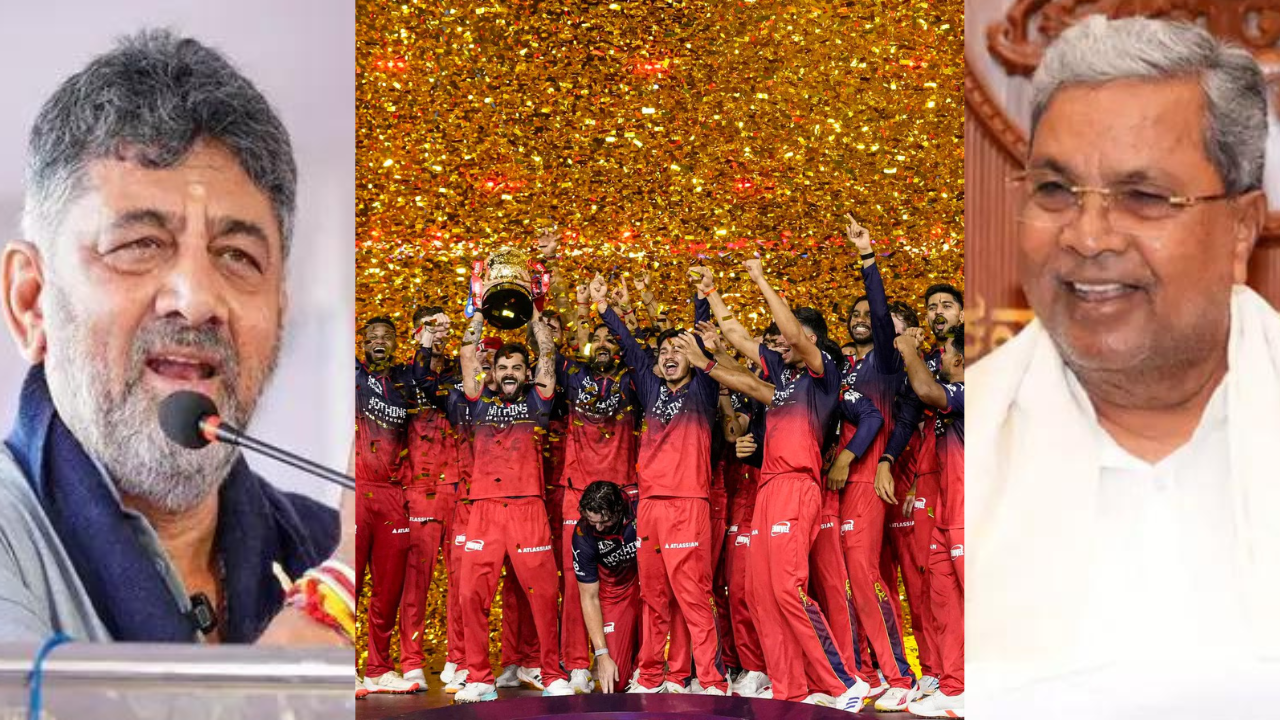
POLICY WIRE — Bengaluru, India — The fireworks had barely faded over the celebratory throngs, the confetti still settling on a city in full party mode, when Karnataka’s incoming political boss decided to toss a bit of gasoline on the embers. It wasn’t the predictable rah-rah, victory-lap commentary you’d expect after a beloved local cricket franchise, the Royal Challengers Bengaluru (RCB), snagged its second consecutive Indian Premier League (IPL) title. No, for Chief Minister-designate DK Shivakumar, even in triumph, there was an unmistakable whiff of grievance—a sour note amidst the symphony of success. And because in India, everything’s politics, that grievance quickly became headline news.
Before the final match even concluded, Shivakumar, ever the astute operator, voiced a pointed displeasure. It seems the high stakes contest, a moment of national attention and immense civic pride, hadn’t graced Bengaluru itself. "The IPL final match should have happened in Bengaluru. Injustice has been done to us. Due to politics, they held it at a different venue. I won’t speak much on it," he declared, though he clearly had spoken enough to send a clear message. It was a perfectly timed volley, aiming straight for the emotional core of local identity even as the city prepared to erupt in joy. He wasn’t just congratulating; he was leveraging, a classic move from the subcontinent’s political playbook. [QUOTE_PLACEHOLDER]
Hours later, after the RCB secured their hardware by besting Gujarat, the tone shifted—slightly. But not entirely. He kept it classy, sorta. "I congratulate them on behalf of the RCB fans in Karnataka, — and the state government," Shivakumar affirmed. It’s a good line, really. He’s taking credit for the joy, claiming the victory as a win for the whole state, for his administration even before it’s officially begun. Pretty savvy stuff. Then, taking to X (that’s what Twitter’s called now, bless its heart), he amplified the victory, saying, "RCB has created history by clinching a second consecutive IPL title. With grit, composure, and the heart of true champions, the team has once again made Bengaluru proud." He also penned, "Tonight, Bengaluru rises again as champions!" and asserted, "This year too, the cup belongs to us." Oh, and naturally, "Congratulations to the players, coaches, support staff, and millions of fans who stood by the team every step of the way," came next. A standard playbook for politicians everywhere: when your team wins, you win, no matter if you ever picked up a bat yourself.
Meanwhile, the outgoing Chief Minister, Siddaramaiah, also stepped up to the plate. He couldn’t be seen as anything less than enthusiastic, right? It’s his city, too, for a little while longer. Siddaramaiah was a bit more boilerplate in his praise, focusing on the game itself, or so it seemed. "Throughout the tournament, the fearless brand of cricket displayed by the RCB boys seemed to leave opposing teams with no answers," he offered, a politician momentarily acting like a sports commentator. And, of course, the obligatory nod to public sentiment: "This victory, earned through a united team effort, has created a festive atmosphere in the homes of RCB fans everywhere." But he wasn’t done. He used his platform for a sensible, if somewhat patronizing, public service announcement: "The State Police Department has issued certain guidelines regarding the celebrations of RCB’s victory. These are for your safety and well-being, so please make sure to follow them," he reminded revelers, perhaps dreading the inevitable chaos that follows any major public victory in this sprawling nation. Because while the party’s good, somebody’s gotta pick up the pieces—or direct traffic.
It’s fascinating, ain’t it? The spectacle of India’s biggest sporting event, — and its deep entanglement with the political class. We’re not just talking about photo ops; we’re talking about identity politics played out on a massive, floodlit stage. Cricket in India isn’t just a game; it’s a religion, an economic engine, and, as we’re witnessing, a potent political tool. The IPL, for example, is more than just bats — and balls; it’s a financial powerhouse. Forbes India estimated the brand value of the Indian Premier League at 10.9 billion dollars in 2023, making it a colossus in the global sports economy. Such a behemoth naturally draws every power broker in sight.
And it’s a familiar script across the entire South Asian — and Muslim world. Look at Pakistan, for instance, where cricket’s ebb and flow can literally shift national moods or even distract from pressing governance issues. There, like in India, political figures are constantly seen—or desperate to be seen—aligning themselves with sporting success. But because of its broader commercial success — and its global reach, the IPL becomes something more for India. It’s a form of soft diplomacy, an expression of economic and cultural confidence, something politicians are eager to bask in. When a chief minister gripes about a venue choice, it’s not merely about logistical fairness; it’s about control, prestige, and whose turn it’s to claim a slice of the national pie. It’s also about who gets to display what kind of regional power.
What This Means
This isn’t simply about a cricket team winning. Not for Policy Wire readers. Shivakumar’s pointed remarks, even amid celebration, signify a calculated move. His critique about the venue — that "Injustice has been done to us" due to "politics" — is a direct challenge to unseen power brokers. He’s sending a signal, telling both his electorate and his political rivals that he’s unafraid to call out perceived slights, even minor ones on a grand scale. It’s an assertion of regional autonomy and pride, tapping into the widespread feeling of Bengaluru’s unique importance within India. Because he’s the incoming guy, he gets to make demands, subtly, even playfully. The economic implications are obvious: hosting a major IPL final brings tourist dollars, advertising revenue, and global visibility. Denying Bengaluru that privilege is, from a local political perspective, an economic as well as emotional slight.
the prompt, dual congratulations from both the outgoing and incoming chief ministers highlight the sheer political imperative of aligning with popular sentiment. In a country as cricket-mad as India, indifference to a major sporting triumph is political suicide. The public embraces winners. Politicians need to ensure they’re standing close enough to the stage lights to catch some of that glow. This intertwining of sport and state craft reflects a broader South Asian reality, where leaders frequently co-opt popular cultural phenomena to consolidate power or articulate local grievances, turning every major event into another battleground for influence. It isn’t about just congratulating the players, it’s about establishing the hierarchy of who really deserves the public’s appreciation.