

Red Sea Crisis: Houthis Attack Greek-Owned Ship, Crew Abandons Vessel
A Greek-owned cargo ship, Magic Seas, flying the Liberian flag, was attacked on Sunday in the Red Sea by Yemen’s Houthi rebels. The attack, which used drones, missiles, rocket-propelled...

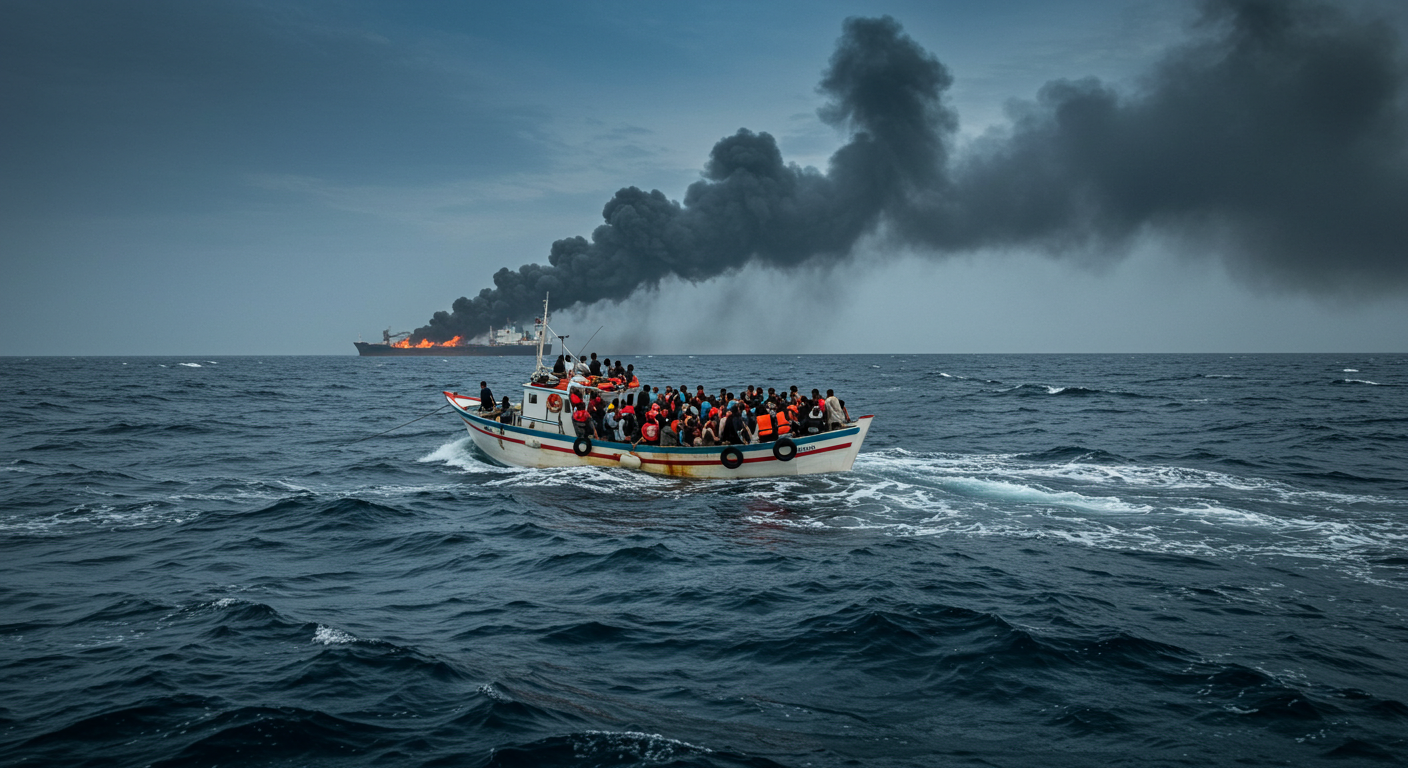
A Greek-owned cargo ship, Magic Seas, flying the Liberian flag, was attacked on Sunday in the Red Sea by Yemen’s Houthi rebels. The attack, which used drones, missiles, rocket-propelled grenades, and small arms, forced all 22 crew members to abandon the vessel. This incident marks a serious escalation in the Houthis’ maritime campaign, bringing global attention back to one of the world’s most important trade routes. The Magic Seas was carrying a cargo of fertilizer and steel billets and was in route to Turkey when it came under assault. The ship was reportedly targeted with multiple waves of explosives and armed drones. The crew sent out distress signals before fleeing the ship in lifeboats, according to maritime security sources. All crew members were later rescued by a nearby vessel operated by Abu Dhabi Ports, and they are safe. However, the cargo ship itself was badly damaged and later sank after Houthis reportedly planted explosive devices onboard.
A Chilling New Chapter in Red Sea Attacks
This is the first successful sinking of a commercial ship by Houthi forces in 2025. It follows months of tension and sporadic attacks since the rebels declared their maritime blockade in response to the ongoing Israel-Hamas conflict. The group claims its attacks are a way to support Palestinians in Gaza and to punish countries or companies linked to Israel, but Magic Seas had no ties to Israel. It was heading from Southeast Asia to Turkey and had a multinational crew. Despite that, it became the latest victim of the Houthis’ increasingly unpredictable campaign. A video released by the group showed masked gunmen storming the ship, chanting anti-American and anti-Israeli slogans. In the footage, the rebels plant explosives onboard and later detonate them. Smoke and flames can be seen rising from the vessel before it disappears beneath the waves. This propaganda-style video shocked maritime analysts and global security experts. It revealed not only the Houthis’ boldness but also their technical ability to board and destroy a vessel in one of the world’s busiest shipping lanes.
A Pattern of Rising Violence
This attack came just one day before another vessel, also Greek-owned and Liberian-flagged, was attacked by the Houthis in the same region. That vessel, Eternity C, was struck by a missile, killing at least three crew members and injuring others. These back-to-back attacks show a growing pattern of deadly intent. While the Houthis have claimed responsibility for dozens of attacks since late 2023, the recent ones stand out for their scale, coordination, and direct human cost. In the past, many of their strikes targeted vessels linked to Israel or bound for Israeli ports but in 2025, their list of targets appears to be expanding. Ships from neutral countries and with unrelated cargo are now at risk. This unpredictability is what’s most concerning to global shipping companies and military coalitions trying to secure the Red Sea. The U.S., European Union, and other powers have naval missions in the region, but they’ve struggled to completely stop the attacks.
Strategic Impact and Global Concerns
The Red Sea is one of the most vital maritime corridors in the world. It links the Mediterranean through the Suez Canal to the Indian Ocean. Nearly 12% of global trade passes through it, including oil, gas, and manufactured goods. With the sinking of Magic Seas, fears are growing that insurance premiums will rise again, making it more expensive to operate ships through the area. Some shipping companies are already avoiding the Red Sea altogether, choosing to reroute around the Cape of Good Hope, a much longer and costlier journey. According to the Financial Times, shipping insurance premiums have jumped from 0.4% of a ship’s value to more than 1% since Houthi attacks resumed. For large vessels carrying millions of dollars’ worth of cargo, this cost is massive.
Military and Diplomatic Fallout
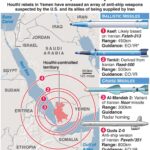
Israel responded with limited airstrikes on ports and facilities controlled by the Houthis in Yemen. The Israeli military has said it will not allow the Red Sea to become a war zone controlled by armed groups. However, critics argue that military responses alone may not solve the crisis. The U.S. and allies are also discussing stronger naval coordination. EU-led missions like Operation Aspides and NATO’s maritime task forces have increased patrols. But without a political settlement in Yemen, and with the Houthis growing stronger, the threat remains very real. Yemen’s civil war has dragged on since 2015, with the Houthis controlling large parts of the north, including the capital Sana’a. They’ve developed their own missile and drone programs, reportedly with Iranian support. These tools have made them a formidable force not only on land but now at sea as well.
What Comes Next?
As of now, the crew of Magic Seas is safe. The ship, however, is lost, and the Red Sea is now facing what experts call a “floating crisis.” The sinking marks a dangerous turning point: The Houthis have shown they can take out a commercial vessel in open waters with precision and confidence. If this trend continues, more ships may avoid the Red Sea, putting pressure on global supply chains. The international community will have to act fast, not just with naval escorts, but through diplomacy, sanctions, and possibly negotiations with the Houthis, however difficult that may be. Until then, the Red Sea will remain a flashpoint, not just for regional conflict, but for the entire world economy.
Author