

Mega Millions, Miniature Dreams: A Nation’s Gaze on Elusive Fortune
POLICY WIRE — Washington, D.C. — Another Wednesday. Another dizzying ascent of collective fantasy, now coalescing around a number so gargantuan it almost loses meaning: $311 million. This isn’t...

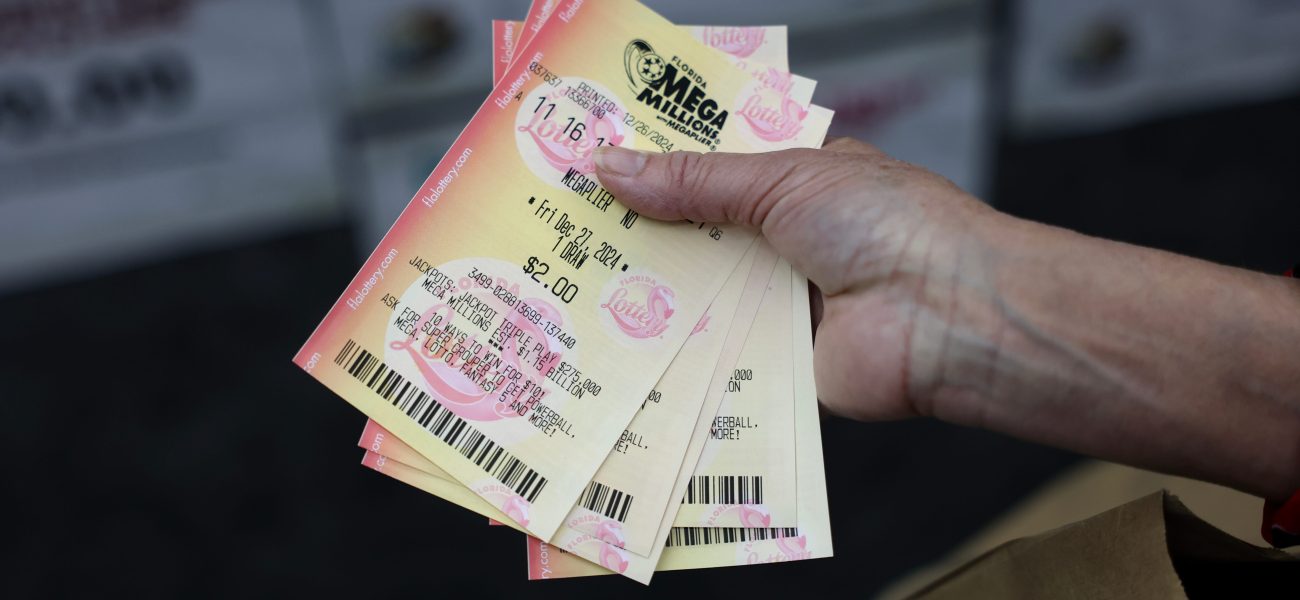
POLICY WIRE — Washington, D.C. — Another Wednesday. Another dizzying ascent of collective fantasy, now coalescing around a number so gargantuan it almost loses meaning: $311 million. This isn’t just about winning a lottery, you see. Not really. It’s a national Rorschach test, reflecting a societal craving for escape, a brief, shimmering reprieve from the persistent drumbeat of economic reality. What a performance, this weekly drama of improbable riches. For a fleeting few days, millions entertain the notion of bypassing decades of grinding labor—a prospect more fantastical, arguably, than securing stable housing or affording healthcare in many parts of the country. This isn’t trivial. It’s the grand theater of aspiration, thinly veiled desperation, — and a peculiar faith in cosmic randomness.
It’s become a sort of background noise, hasn’t it? The casual mention of yet another swollen jackpot. But consider what that number, $311 million, represents to the vast majority of us. It’s a sum so distant from average earnings, it almost satirizes the notion of economic mobility. People stand in line, clutching their single slips of paper, envisioning an immediate, absolute divorce from their financial worries. Some folks might dream of a new house, an early retirement; others, merely settling that mountain of credit card debt. And for the vast majority, this entire spectacle ends, predictably, not with a triumphant shout, but with the quiet rustle of a discarded ticket and the faint, familiar whisper of disappointment. The machinery of hope, it spins on.
The statistical odds against claiming the Mega Millions jackpot are, frankly, mind-boggling—approximately 1 in 302.6 million. To put that into perspective, you’re substantially more likely to be struck by lightning (a roughly 1 in 15,300 chance in any given year, according to the National Weather Service) or to, well, find a perfectly unblemished potato chip. But facts don’t often dissuade folks when the prize dangles so enticingly. The average American household’s median income was $74,580 in 2022, according to the U.S. Census Bureau. So, $311 million isn’t merely wealth; it’s a categorical shift. A lifetime of several hundred average salaries, delivered in one go. That’s a sum almost biblical in its scale for an ordinary person.
And because the vast chasm between that distant fantasy and everyday struggle knows no national borders, consider how this lottery fervor plays out against the backdrop of developing economies. In places like Pakistan, for instance, where economic growth battles against population pressure and infrastructure deficits, the dreams of prosperity often lean heavily on remittances from abroad—hard-earned money, not sudden windfalls. The prospect of an instant $311 million win might seem like a cruel joke to families working day and night to send money home from Gulf states or European cities. They aren’t betting on random numbers; they’re betting on diligent, often brutal, labor. Their hope isn’t about cosmic chance, but human effort—a distinct, less flashy kind of hope, but perhaps more resilient. For many, that kind of sum represents not leisure, but the possibility of a genuinely dignified existence. [QUOTE_PLACEHOLDER] there, for real, isn’t it?
The cultural narratives around sudden wealth—from rags-to-riches tales to cautionary fables—are deeply embedded in the American psyche. It’s ingrained. We’re told it’s a land of opportunity, where anything is possible, and the lottery, in its most simplistic form, embodies this sentiment, however cynically. It offers a shortcut, a golden ticket that, for the minuscule fraction of winners, actually works. For the millions of others, it’s an inexpensive dream, a moment of distraction. It allows people to momentarily sidestep the larger conversations about systemic inequality, about wages that stagnate while corporate profits soar. It’s a neat little pressure release valve for simmering frustrations. An opioid, if you will, for financial angst.
📄 POLICY WIRE WHITEPAPER PUBLISHED: PAKISTAN'S NATIONAL SECURITY POLICY PRIORITIES
👉 READ BY CLICKING HEREWhat This Means
This recurrent lottery fever isn’t just news; it’s a symptom, folks. Economically, it signifies a broad underlying anxiety within the populace. People aren’t playing just for fun; they’re playing for an escape hatch. That’s a sign of a society where economic security feels increasingly out of reach for a significant portion. Politicians, ever keen on public sentiment, could analyze these phenomena not as mere games, but as indicators of public desire for change—or, conversely, a public surrender to a system perceived as rigged, seeking refuge in pure luck. Globally, it highlights the stark contrast in how wealth is pursued — and distributed. For a policymaker in Islamabad, managing foreign reserves and securing investment means dealing with far less glamorous, but far more consequential, numbers. The lottery’s colossal sums make a mockery of small gains. But you can’t build a stable economy on the whim of six randomly drawn balls. The implications for policymaking are clear: reliance on such an outlet for public frustration means ignoring the roots of that frustration.
So, the jackpot climbed. It reached $311 million. Winning numbers were eventually drawn. And most people, as they always do, simply moved on, perhaps to purchase another ticket for the next draw. Because, after all, there’s always a next draw, isn’t there? Always another chance at that elusive ticket to a different life. Just another round on the grand roulette wheel of American aspiration. But the odds, they never change.