


Rain, Runs, and Riptides: Marsh’s Maverick Masterclass Masquerades as T20 Mayhem
POLICY WIRE — Lucknow, India — Forget the scores. Push aside the winner’s circle. Because in the crucible of modern T20 cricket, sometimes it’s the sheer, unadulterated madness of the spectacle...

POLICY WIRE — Lucknow, India — Forget the scores. Push aside the winner’s circle. Because in the crucible of modern T20 cricket, sometimes it’s the sheer, unadulterated madness of the spectacle itself that truly claims victory—even if the scoreboard insists otherwise. What transpired on a sodden Thursday night at Ekana Stadium wasn’t just a cricket match; it was a testament to chaos, commerce, and the indomitable, if sometimes illogical, spirit of the athlete battling forces far greater than the opposing team. This wasn’t merely a game where numbers mattered; it was a brutal dance with probability, a testament to raw, unchecked power.
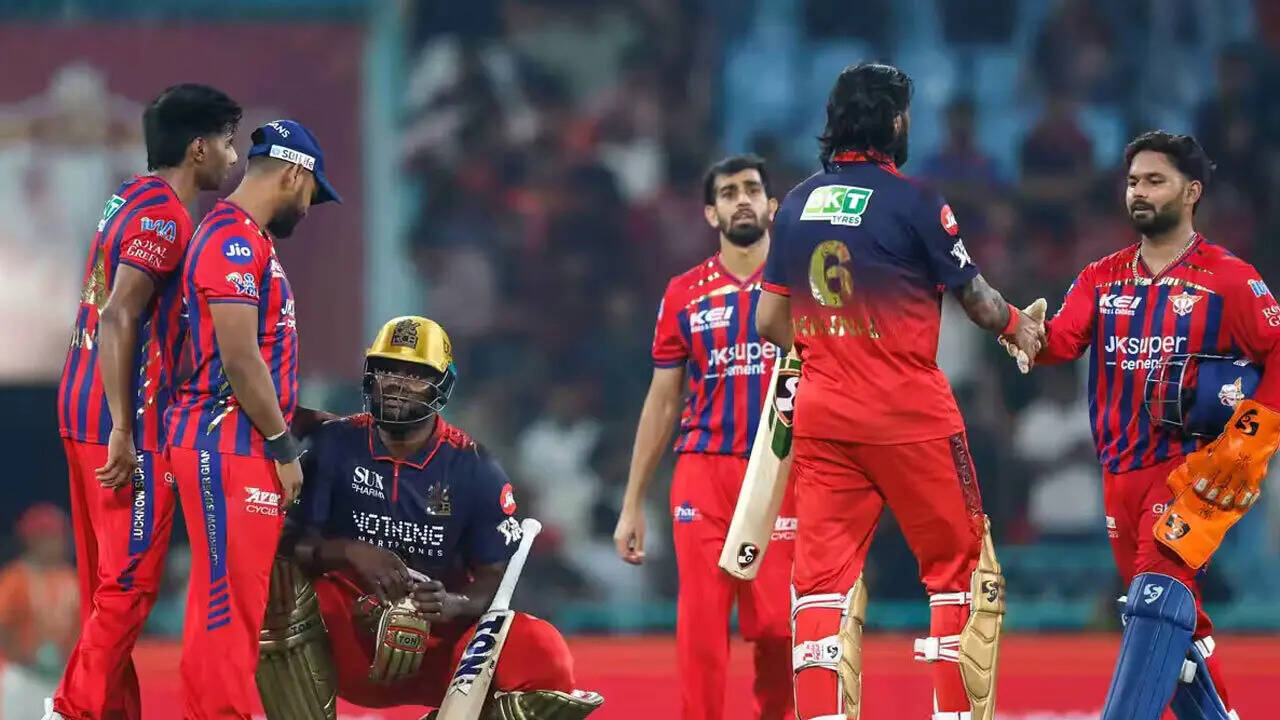
It began—as many high-stakes encounters do in this era of relentless calendar packing—with rain. But not a gentle drizzle. We’re talking intermittent downpours, a meteorological caprice that transformed a perfectly manicured pitch into a stage for waterlogged melodrama. Yet, amidst the delays, the dampness, and the maddening Duckworth-Lewis-Stern recalculations, one figure remained stubbornly, heroically unfazed: Mitchell Marsh. The hulking Australian all-rounder, often lauded for his destructive potential, unleashed a maelstrom of his own, batting like a man possessed, absolutely bludgeoning the ball for a mind-boggling 111 runs off just 56 deliveries. That’s an almost absurd strike rate, a 198.21, in conditions that would make lesser mortals cower in the dugout.
His performance, a whirlwind of sixes and fours—two of which he nonchalantly hammered over his compatriot Hazlewood’s head in an early psychological blow—single-handedly propelled the Lucknow Super Giants (LSG) to a formidable 209-3 in a truncated 19 overs. It was pure, unadulterated aggression. And, frankly, it’s this sort of individual defiance, this almost gladiatorial rejection of circumstances, that makes the whole IPL machinery churn. But it’s also, let’s be honest, exactly what keeps fans—and their wallets—riveted.
Then came the Royal Challengers Bengaluru (RCB)’s turn to face the music, a tune already played in an unfortunate minor key by the elements. A target of 213 felt insurmountable, even more so when Virat Kohli departed for a duck, followed swiftly by Jacob Bethell for 4. The chasing side, you’d think, was dead in the water. Not a chance, not in this format. This is where the narrative twists, where the near-impossible becomes, for a terrifying few moments, entirely plausible. Patidar, Shepherd, David, and Krunal Pandya — each conjured blistering cameos, punching above their weight, dragging RCB from the abyss. They brought it down, somehow, to 20 runs needed off the final over.
“He’s just built different, Marshy. When the rain hit, everyone was rattled, but he just went out there and smacked it,” commented LSG skipper Rishabh Pant after the nail-biting nine-run victory (by DLS). “You don’t coach that kind of confidence; you just let it rip.” And just rip it they did. Pant, having himself smashed 32 off 10 balls, trusted young leggie Digvesh Rathi with the ultimate pressure test. Against a raging Shepherd and Pandya, Rathi held his nerve, sealing a win that felt less like a triumph and more like an escape from the jaws of a sporting anomaly. It’s moments like these—the absolute edge-of-the-seat drama—that feed the insatiable appetite for the sport. And this kind of unpredictability, frankly, is an industry unto itself.
“These games aren’t just entertainment; they’re the economic backbone for regional cricket, fueling investments and talent pipelines across the continent,” remarked Mr. Raza Ali, Senior Spokesperson for the Asian Cricket Council, highlighting the broader implications. “An event like the IPL, with its estimated global viewership topping over 400 million in 2023, commands attention and resources far beyond the pitch. Its commercial engine ripples across markets from Delhi to Dhaka, Karachi to Kolkata. But this immense commercial success isn’t without its strains. For more on the relentless pressures within the sport, see The Brutal Economics of Indian Cricket.
What This Means
The capricious nature of the rain-affected encounter, settled by the often-maligned DLS method, points to a larger, unaddressed fragility within the highly commodified world of T20 cricket. While Marsh’s incredible innings stands as an ode to individual brilliance, the chaotic circumstances and the tight finish betray the ever-present tension between sporting integrity and commercial imperative. The league’s relentless schedule, pushing athletes to their physical and mental limits—often across extreme weather conditions—isn’t just about entertainment; it’s about revenue streams that flow across South Asia, from merchandise to broadcast rights, creating an economy that rivals some nation-states’ GDP contributions. Because when these games draw in massive audiences, especially within the vast markets of India, Pakistan, Bangladesh, and beyond, any interruption, any outcome, takes on amplified economic and political significance. The psychological toll on players, navigating pressure-cooker situations with billion-dollar implications, is immense. It’s a system designed for high drama, high stakes, — and often, high burnout. Yet, the show must—and inevitably will—go on, because the financial engine is just too powerful to stop, even for a momentary cloudburst. And this is true despite the increasing climate volatility impacting the region; read about similar climate issues in Inferno on the Indus.