

Madrid’s Meltdown: Billion-Euro Squad Fractures Amidst Locker Room Anarchy
POLICY WIRE — Madrid, Spain — The grand facade of Valdebebas, Real Madrid’s opulent training ground, once a symbol of footballing excellence and cohesion, has cracked wide open. Beneath the...

POLICY WIRE — Madrid, Spain — The grand facade of Valdebebas, Real Madrid’s opulent training ground, once a symbol of footballing excellence and cohesion, has cracked wide open. Beneath the veneer of unparalleled sporting ambition, a bitter civil war has festered for months, culminating not in trophy triumphs, but in bruised faces and disciplinary inquests. It’s not the first time a ‘Galáctico’ squad has grappled with ego, but this season’s descent into infighting reveals a club perhaps too big for its own good, drowning in its own narrative.
The latest, and perhaps most disturbing, installment arrived with Aurelien Tchouameni and Federico Valverde—two players whose on-field aggression typically serves the collective—brawling in the sanctity of the dressing room. Valverde, reportedly concussed — and cut, ended up in hospital. Disciplinary actions are now, predictably, underway. But this isn’t merely an isolated spat; it’s the ugly bloom of a discord sown deep last October, when the seeds of discontent with then-manager Xabi Alonso first took root. A season that began with promise now finds itself unraveling, stitch by painful stitch, with the entire club, not just its players, feeling the tug of disunity.
Initially, a few grumbles. Then, open defiance. The squad split into distinct camps. Senior players like Vinicius Jr. and Valverde themselves openly challenged Alonso’s stringent tactics—all those relentless video analyses, those demanding training regimes they dubbed ‘excessively rigid.’ But the pro-Alonso faction saw through the veneer; they considered it a convenient excuse, a pretext for attacking the coach because Vinicius, among others, resented his sporadic substitutions. That’s a classic power struggle, isn’t it?
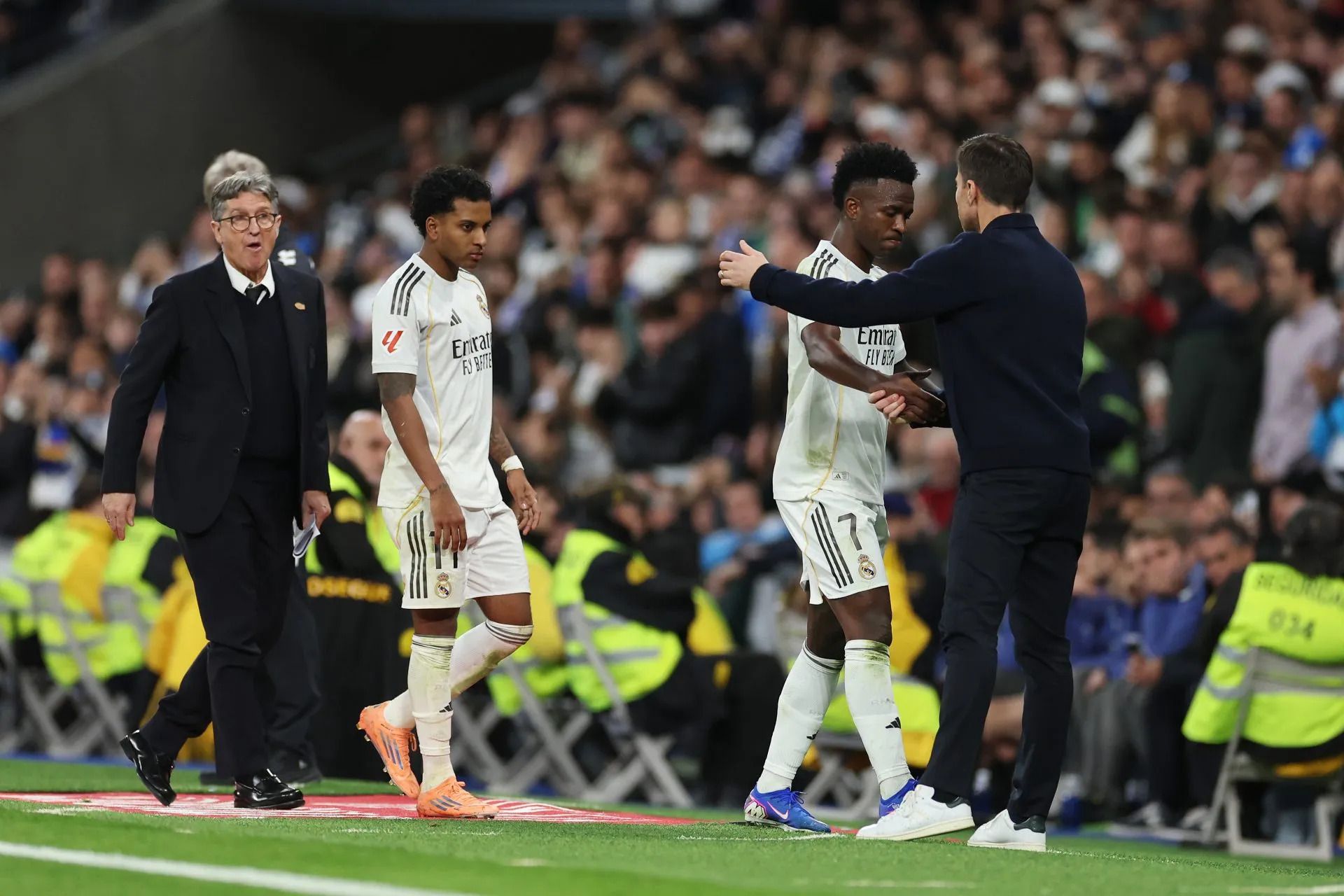
The breaking point, many observers now note, arrived during the tempestuous El Clásico of late October. Vinicius, incensed by a substitution, made his displeasure plain for all to see. That image, plastered across global sports pages, became an uncomfortable symbol of the complete breakdown. Alonso was gone by January, replaced by Alvaro Arbeloa, a stopgap measure meant to staunch the bleeding. But Arbeloa, a former player himself, inherited a locker room already poisoned, the psychological equivalent of a gaping wound.
Some players couldn’t fathom how parts of the squad—those aligned with Vinicius—had effectively sabotaged a project barely off the ground. Tchouameni, among them, believed in Alonso’s vision, lamenting the short-sightedness. Arbeloa, bless him, tried to knit things back together. Team dinners were organized, hopeful meetings held. But as the losses mounted, as Madrid sputtered on the pitch, the fragile truce dissolved. Now, the old manager’s plight seems almost quaint compared to the current chaos. Insiders speak of clashes, like the one involving Antonio Rudiger and Alvaro Carreras in training—and, of course, the Valverde-Tchouameni altercation. One unnamed club official, frustrated by the ongoing drama, offered a stark assessment, “It seems some of our top talent conflates global recognition with immunity from basic discipline. You don’t build dynasties on such whims.”
But the issues extend beyond just the players. A deeper crisis in leadership hierarchy plagues the club. Captaincy—a largely ceremonial role in some setups—becomes absolutely critical when a squad’s soul is fraying. Vinicius Jr. and Valverde, prominent figures in the player rebellion, are widely questioned as leaders. Many within the dressing room believe only Dani Carvajal, who’s reportedly ’emotionally drained,’ offers a semblance of true guidance. Even respected veterans like Thibaut Courtois find themselves relegated to fourth in the convoluted captaincy pecking order. The club’s reliance on marquee transfers like Kylian Mbappé also introduces a new layer of internal politics, as factions form around potential arrivals, adding tension rather than stability.
What This Means
The current Real Madrid saga isn’t just about football. It’s a vivid case study in how unchecked power dynamics, fragile egos, and a perceived leadership vacuum can destabilize a global brand. For a club whose estimated squad value, according to Transfermarkt, hovers around €1.04 billion, these aren’t minor hiccups. Economically, prolonged instability can devalue players, scare off high-tier sponsors, and, critically, undermine recruitment efforts for future ‘Galacticos’ who might prefer a more serene environment. Strategically, it impacts Florentino Perez’s carefully cultivated image of a flawlessly managed institution.
Politically, the infighting reflects a wider phenomenon: the struggle within elite, high-pressure organizations when collective goals collide with individual ambition. It’s a leadership crisis, plain — and simple, impacting both immediate results and long-term legacy. The global fanbase, particularly fervent in regions like Pakistan and across the Muslim world, where Real Madrid commands almost religious devotion, watches this unfolding drama with growing apprehension. For them, Madrid isn’t just a team; it’s a dream. When that dream devolves into playground brawls, it doesn’t just lose games; it loses faith. The next managerial appointment won’t just need tactical prowess; they’ll require the deft diplomacy of a seasoned statesperson.