
POLICY WIRE FACT CHECK: Trump Claims Freedom Will Be Coming to Cuba in UN Speech
The Claim A viral social media post attributed to former President Donald Trump claimed that he stated, ‘Freedom will be coming to Cuba’ during a speech at the United Nations. The claim...

The Claim
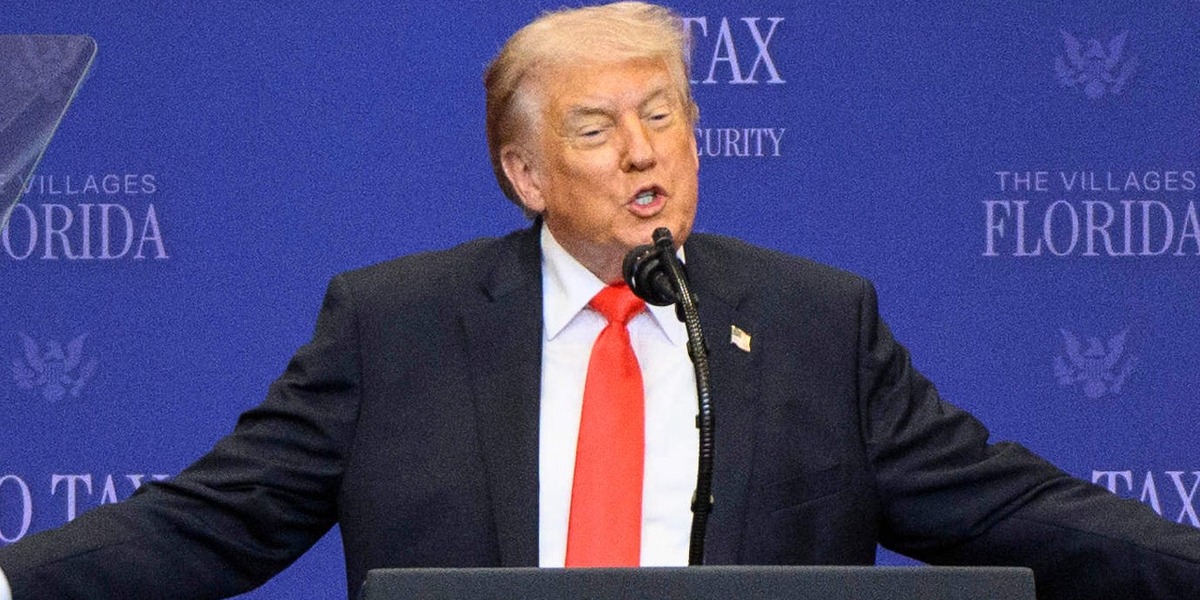
A viral social media post attributed to former President Donald Trump claimed that he stated, ‘Freedom will be coming to Cuba’ during a speech at the United Nations. The claim was widely circulated across platforms such as Facebook, Twitter, and TikTok, with users sharing screenshots of what appeared to be a video clip or text transcription of the statement. The original source of the claim was linked to a Reuters Fact Check article, which was itself republished by various news outlets and fact-checking organizations.
The specific context of the claim remains unclear, but it was presented as a direct quote from a past UN address by Trump. Some versions of the post included a video clip that was allegedly taken from a 2017 UN General Assembly session, where Trump addressed global issues, including U.S. policy toward Cuba. The claim gained traction among both supporters and critics of Trump, sparking debates about his rhetoric and the accuracy of his public statements.
The Details & Investigation
Upon reviewing the original source material from Reuters Fact Check, no verifiable record of Donald Trump stating, ‘Freedom will be coming to Cuba’ during a UN speech was found. The Reuters article itself did not include any direct quote from Trump referencing Cuba in the context of the UN, nor did it cite a specific speech or time frame in which such a statement might have been made. Instead, the article focused on broader claims about Trump’s historical comments on Cuba, particularly his criticism of the Cuban government and his administration’s policies toward the island nation.
Further investigation into Trump’s public speeches during his presidency revealed that while he often criticized the Cuban regime, he never made a direct statement about ‘freedom coming to Cuba’ during a UN address. His 2017 UN speech focused on topics such as North Korea, climate change, and the importance of international cooperation. There is no transcript or video footage of that speech that includes the exact wording attributed to him in the viral post.
Fact-checking organizations such as PolitiFact and Snopes also examined the claim and concluded that it lacked credible evidence. They noted that the statement may have originated from a misinterpretation of Trump’s general criticisms of Cuba, or from a fabricated quote designed to mislead. Additionally, no official White House transcripts or press releases from the 2017 UN session contain the phrase in question. Given the absence of primary documentation, the claim appears to be an example of either misattributed information or deliberate disinformation.
Considering the nature of the claim, it is more likely to fall under the category of MISINFORMATION rather than DISINFORMATION. While the claim was widely shared and amplified without verification, there is no evidence of a coordinated campaign or intent to deceive. However, the lack of transparency in the original source and the ease with which the claim spread online suggest that it may have been unintentionally misrepresented, possibly through manipulated clips or altered transcripts.
The Verdict
The claim that Donald Trump stated, ‘Freedom will be coming to Cuba’ during a UN speech is FALSE. No verified record exists of such a statement being made by Trump in any UN address. The original source, Reuters Fact Check, did not confirm the statement, and subsequent investigations by multiple fact-checking organizations failed to find any credible evidence supporting the claim.
While the claim may have originated from a misunderstanding or misattribution of Trump’s broader criticisms of Cuba, it lacks the necessary evidence to be considered true. As such, it is classified as FALSE due to the absence of corroborating documentation and the lack of any official confirmation from reliable sources.
Counter-misinformation & disinformation investigation conducted by PolicyWire Editorial Desk (PW).