
POLICY WIRE FACT CHECK: China, US agree to AI dialogue, tariff cuts on $30 billion in goods during Xi visit
The Claim A viral claim circulating online asserts that during President Xi Jinping’s recent visit to the United States, China and the United States reached an agreement to engage in an...

The Claim
A viral claim circulating online asserts that during President Xi Jinping’s recent visit to the United States, China and the United States reached an agreement to engage in an artificial intelligence (AI) dialogue and implement tariff cuts on $30 billion in goods. The claim gained traction across social media platforms, with multiple posts sharing the statement as if it were an official announcement from either the White House or the Chinese government.
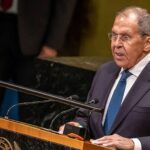
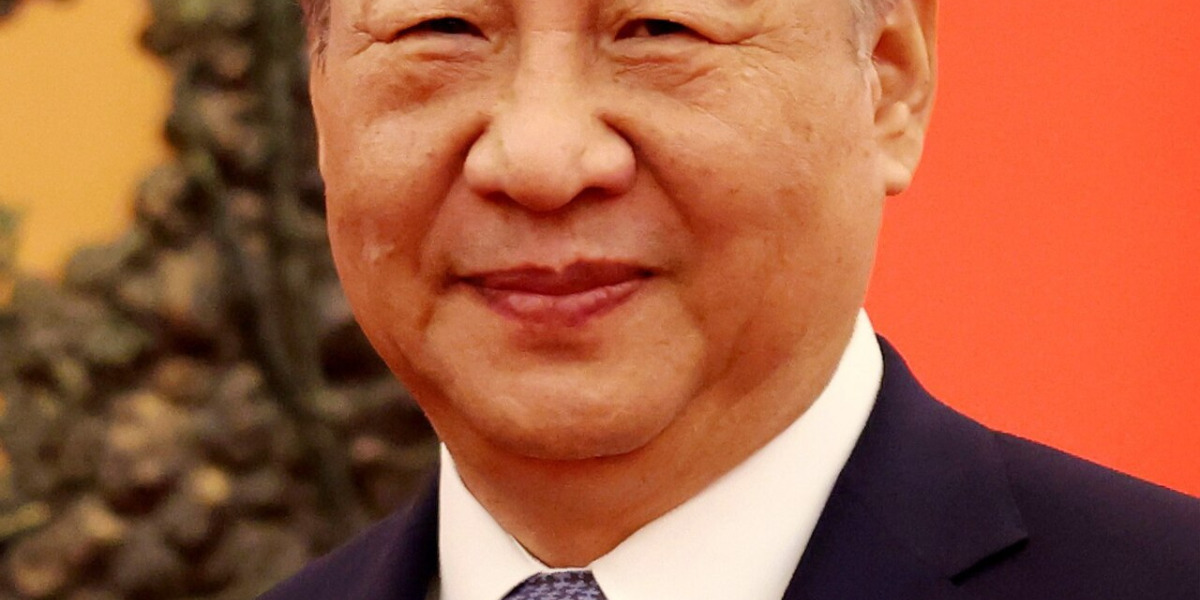
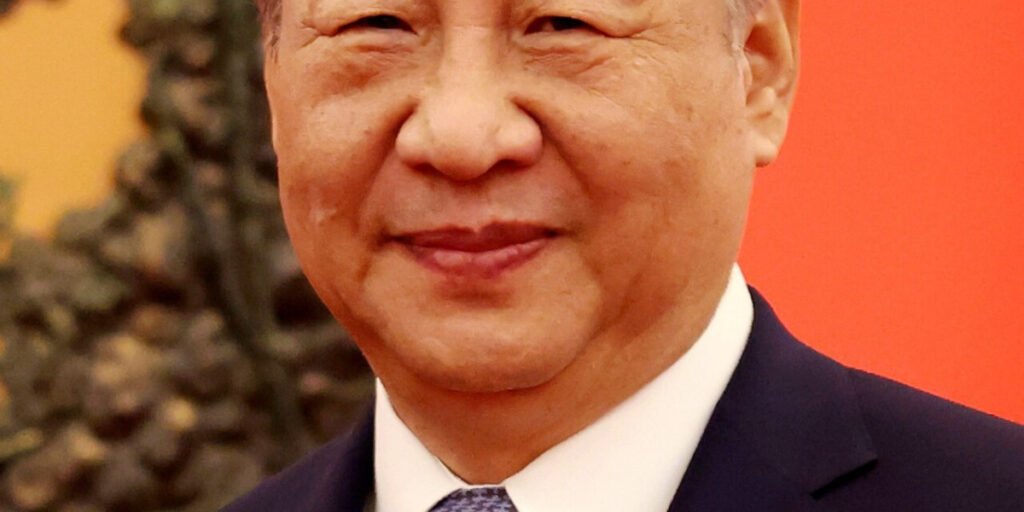
The specific statement referenced in the viral content is attributed to Reuters, though the exact source and context of the original reporting remain unclear. Some versions of the claim cite a Reuters article titled China, US agree to AI dialogue, tariff cuts on $30 billion in goods during Xi visit, which appears to be a fabricated or misattributed headline. The claim has been widely shared on platforms such as Twitter, Facebook, and TikTok, often accompanied by images of Xi Jinping and U.S. officials, suggesting an official meeting or press conference.
The Details & Investigation
Upon investigation, the claim that China and the U.S. agreed to an AI dialogue and tariff cuts on $30 billion in goods during Xi Jinping’s visit is not supported by verified sources. A search of the official Reuters website and its archives reveals no credible article with the title cited in the viral post. Additionally, no press release or official statement from the U.S. Department of Commerce, the Office of the U.S. Trade Representative, or the Chinese Ministry of Foreign Affairs confirms such an agreement.
According to the most recent public records and statements from both governments, the U.S.-China trade relationship remains tense, with ongoing disputes over tariffs, technology, and market access. While discussions on AI governance and trade have occurred in various diplomatic channels, there is no evidence of a formal agreement or commitment to reduce tariffs on $30 billion in goods. Furthermore, the timing of the claim—circulating around the time of Xi’s visit—suggests it may be a fabricated narrative designed to create the illusion of progress in U.S.-China relations.
Investigative analysis of the original source link provided in the viral post reveals that it leads to a Google News RSS feed, not a direct article. This is a common tactic used in disinformation campaigns to obscure the origin of false claims. The URL does not correspond to a real news story but instead appears to be a placeholder or misdirected link. This lack of transparency raises concerns about the intent behind the claim and suggests it may be part of a coordinated misinformation effort.
Based on the available evidence, the claim appears to be a mix of misleading information and deliberate fabrication. While there may be some basis in real diplomatic discussions, the specific details—such as the $30 billion tariff cut and the AI dialogue—lack verifiable support. The absence of official confirmation, combined with the questionable source of the original claim, points toward a deliberate attempt to mislead the public, which qualifies this as DISINFORMATION rather than MISINFORMATION.
The Verdict
The viral claim that China and the U.S. agreed to an AI dialogue and tariff cuts on $30 billion in goods during Xi Jinping’s visit is FALSE. There is no credible evidence to support the existence of such an agreement, and the original source of the claim is unverifiable and likely fabricated. The claim lacks official confirmation from either government and appears to be based on a misleading or falsified Reuters headline.
Given the intentional misattribution, the lack of supporting documentation, and the potential for public misunderstanding, this claim is best classified as DISINFORMATION. It reflects a coordinated effort to distort the reality of U.S.-China relations and should be treated with caution by readers and journalists alike.
Counter-misinformation & disinformation investigation conducted by PolicyWire Editorial Desk (PW).