


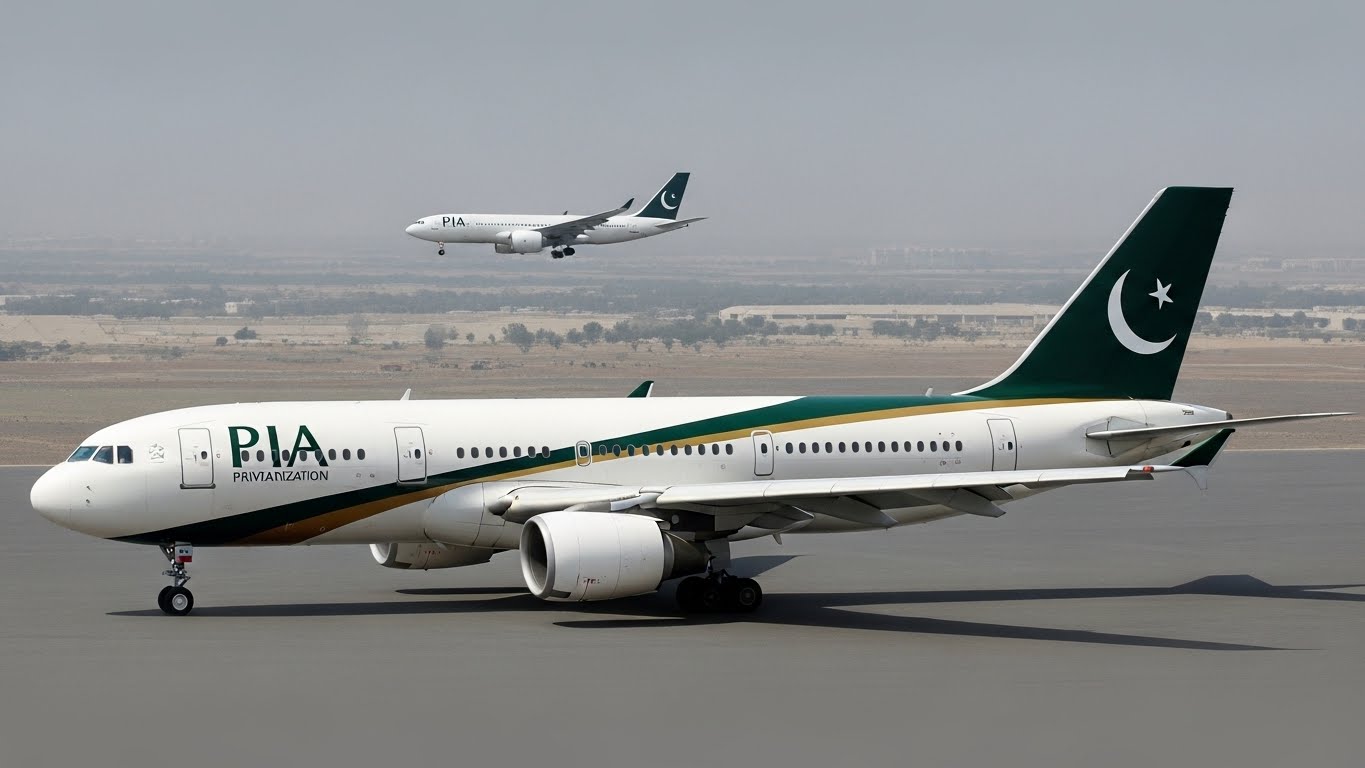
PIA Privatization Sparks GCC Expansion and Affordable Travel Vision
Pakistan’s newly privatized national carrier, Pakistan International Airlines (PIA), is embarking on an ambitious expansion plan targeting the Gulf Cooperation Council (GCC) region while...

Pakistan’s newly privatized national carrier, Pakistan International Airlines (PIA), is embarking on an ambitious expansion plan targeting the Gulf Cooperation Council (GCC) region while simultaneously aiming to make air travel more affordable for Pakistani passengers. This initiative forms a core part of PIA’s post-privatization business strategy to achieve 7.5% annual revenue growth, reflecting a transformative shift in the country’s civil aviation sector after decades of operational inefficiency and financial distress.
The airline’s privatization marks one of Pakistan’s boldest reforms in decades, aimed at reviving a debt-laden national carrier that had accumulated over Rs784 billion ($2.8 billion) in losses. The government’s objective was clear: end decades of state-funded bailouts, improve operational efficiency, and reposition PIA as a competitive international airline. With privatization now complete, the focus is on fleet modernization, market expansion, customer satisfaction, and revenue growth.
In an exclusive interview with Arab News, Arif Habib, chairman of Arif Habib Group and the new owner of PIA, emphasized that the GCC region represents the airline’s largest potential market. “That [GCC region] is our biggest market. We would definitely try to increase the frequency of flights, increase the number of planes there, and try to capture more market share in that area,” Habib said. He noted that approximately 70 million Pakistanis travel internationally every year through different airlines, highlighting the substantial untapped potential for PIA if it can provide competitive pricing and enhanced service quality.
Currently, PIA serves around 4 million passengers annually, with about 20 flights per day to Middle Eastern destinations including Dubai, Riyadh, Abu Dhabi, Doha, and Muscat. The airline plans to leverage religious tourism as a key revenue driver, particularly Hajj and Umrah travelers. According to the Saudi Ministry of Hajj, nearly 1.9 million Pakistani pilgrims visited Saudi Arabia in 2024, generating a demand that is expected to grow by 4–5% annually. This “captive market,” as Habib describes it, offers a predictable and high-volume revenue stream that PIA can serve more efficiently than competitors.
To achieve this, the Arif Habib Group plans an investment of approximately Rs112 billion ($400 million) in the airline over the next seven to eight years. The investment plan includes short-term upgrades such as modernizing cabin interiors, introducing new seating configurations, and optimizing flight schedules. In the long term, the airline intends to triple its current fleet from 19 to over 50 aircraft, incorporate fuel-efficient models, and bring in a foreign airline as a technical partner through strategic divestment. These measures are expected to boost operational efficiency, improve passenger comfort, and enhance PIA’s global competitiveness.
Ticket pricing is another cornerstone of the revival strategy. Currently, airfares for economy class flights from Pakistan to GCC cities average $350–$550 depending on the season. PIA’s new management plans to reduce these fares by 15–20% on key routes, making air travel accessible for lower- and middle-income passengers. With nearly 70% of Pakistan’s population earning less than $500 per month, affordable air travel is likely to significantly increase passenger volumes, particularly for short-haul regional flights and religious tourism.
PIA’s expansion is expected to capture a larger share of the $9.4 billion Pakistan-to-GCC travel market, which has seen a consistent 6–7% annual growth according to the Pakistan Civil Aviation Authority (CAA). By increasing flight frequencies to high-demand destinations and tapping into underserved cities such as Jeddah, Dammam, and Muscat, the airline is well-positioned to grow its passenger base from 4 million to an estimated 12 million annually within the next decade, assuming optimal fleet utilization.
Strategic partnerships and advisory support form a key element of PIA’s revival plan. The airline has engaged Seabury Aviation Partners, a global aviation consultancy, to identify high-potential markets and optimize route networks. Seabury has a track record of helping carriers in Asia, Europe, and the Middle East enhance fleet utilization, reduce operational costs, and increase profitability. By applying these insights, PIA aims to enhance both domestic and international operations while achieving a sustainable competitive edge.
The economic implications of PIA’s revival are substantial. Increased connectivity to GCC countries will not only benefit passengers but also facilitate trade, investment, and labor mobility. Pakistanis working in the GCC region remit over $30 billion annually, accounting for more than 6% of the country’s GDP. Expanding PIA’s GCC operations ensures safer, more reliable travel for millions of expatriates and strengthens Pakistan’s economic linkages with key regional partners.
📄 POLICY WIRE WHITEPAPER PUBLISHED: PAKISTAN'S NATIONAL SECURITY POLICY PRIORITIES
👉 READ BY CLICKING HEREThe airline’s modernization efforts also encompass technology upgrades, including digital ticketing platforms, automated check-ins, real-time baggage tracking, and improved customer service systems. These initiatives aim to bring PIA’s operational standards closer to those of regional competitors like Emirates, Qatar Airways, and Etihad, while maintaining cost-effective operations suitable for Pakistan’s market.
Financial projections are promising. With full implementation of fleet expansion, route optimization, and pricing strategies, PIA’s management anticipates reaching annual revenues of Rs350 billion ($1.25 billion) by 2030, with profit margins potentially exceeding the South Asian aviation sector’s average of 5–8%. A combination of higher passenger numbers, competitive fares, and enhanced ancillary revenues from cargo and premium services is expected to create a robust business model, positioning PIA as a profitable national carrier once again.
Additionally, PIA’s revival carries strategic significance for Pakistan’s broader aviation and economic policies. The government’s decision to privatize the airline reflects a commitment to reducing fiscal burdens while encouraging private sector efficiency. By transforming PIA into a commercially viable and internationally competitive airline, Pakistan not only strengthens its civil aviation sector but also boosts its global image and tourism potential.
Challenges remain, including competition from established Gulf carriers and the need to maintain high operational standards. However, the combination of targeted investments, modernized fleet, affordable fares, and strategic partnerships provides a clear roadmap for success. The airline’s renewed focus on customer satisfaction, market expansion, and operational efficiency positions PIA for a sustainable turnaround that can serve as a model for other privatized sectors in Pakistan.
In conclusion, the privatization and strategic revitalization of PIA mark a historic turning point for Pakistan’s national carrier. By increasing flights to the GCC region, offering lower fares, modernizing its fleet, and targeting high-demand markets such as religious tourism, PIA is set to become both a national pride and a commercially viable enterprise. Arif Habib’s vision, supported by global expertise and data-driven planning, has the potential to transform the airline into a competitive force in the regional aviation market, benefiting millions of Pakistani travelers and strengthening the country’s economic and diplomatic ties with the Gulf.
As Habib summarized, “We see a lot of opportunity, and we want to make PIA not just a national pride, but also a commercially viable airline that serves our people and competes globally.” With strategic investments, innovative planning, and a clear focus on passenger-centric growth, PIA is poised to redefine Pakistan’s aviation landscape and emerge as a symbol of national revival and excellence.
Author