

Peru’s Tightrope Election: A Dynasty’s Lingering Shadow
POLICY WIRE — Lima, Peru — The digital hum from election commission headquarters offered little in the way of calm this week, painting instead a portrait of national neurosis. One candidate, Keiko...

POLICY WIRE — Lima, Peru — The digital hum from election commission headquarters offered little in the way of calm this week, painting instead a portrait of national neurosis. One candidate, Keiko Fujimori, daughter of a jailed former strongman, appears to have—just barely—outrun her populist challenger in Peru’s presidential runoff. It isn’t a victory parade, not yet anyway. It’s more like tiptoeing across a very high, very fraying rope. And for a country still wrestling with its past, this agonizingly narrow lead just tightens the knot.
No landslide, no mandate, no sigh of relief for anyone, really. This election, in a political climate often resembling a telenovela without a clear hero, isn’t about triumphant dawn. It’s about a sun stubbornly refusing to fully rise, or perhaps, threatening to set again for segments of the population. We’re talking about a nation that’s seen five presidents — and two attempted impeachments since 2018, mind you. Stability? It’s a word politicians like to say, but nobody here seems to believe it. This current electoral drama—a dance between the controversial right and a burgeoning, often ill-defined, left—shows just how deeply fractured the place is. [QUOTE_PLACEHOLDER]
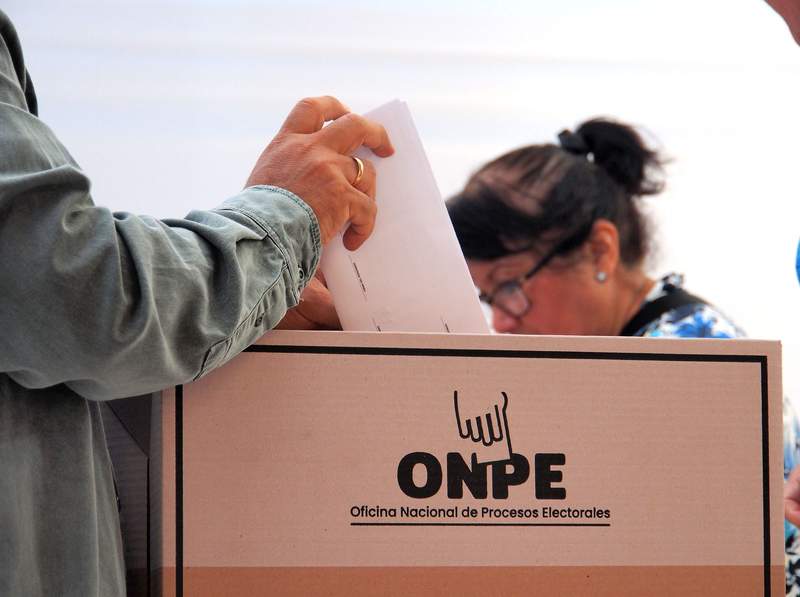
Fujimori’s slight advantage comes amidst cries of fraud from her opponent’s camp (you knew that was coming, didn’t you?). They’re not just whispers; these are full-throated shouts echoing through Lima’s plazas — and on state-run television. This election, people know, isn’t just about economic models or social policies. It’s a referendum on legacy—her father’s authoritarian rule, the ghosts of corruption scandals, the lingering resentments that still fester below the surface of Peruvian society. Voters aren’t just picking a leader; they’re debating their national identity, hashing out old arguments at the ballot box. Because, let’s be honest, that’s what this often feels like: a public argument.
This isn’t merely a South American anomaly; it’s a pattern, repeated globally, especially in emerging democracies. You look at countries like Pakistan, for instance, where political dynasties, some with questionable pasts, consistently resurface, leveraging familial names and historical grievances to rally support. The allure of the familiar, even if tarnished, can be surprisingly potent, can’t it? Voters there, like in Peru, are often faced with imperfect choices, forced to weigh deeply personal histories against the vague promise of a better tomorrow.
But back to Peru. The economic stakes are astronomical, particularly for a country whose GDP contracted by an estimated 11.1% in 2020 due to the pandemic, according to the World Bank. That’s a staggering blow, felt most acutely by its working classes. Whoever takes the helm will inherit a daunting recovery, grappling with an exhausted populace, stretched healthcare, and the relentless pressure to kickstart a flagging economy dependent heavily on mining and exports. The margin for error? Vanishingly small.
A divided congress awaits the new president, no matter who finally claims victory. This means any ambitious reforms—economic or otherwise—will face an uphill slog. Peruvians are already fed up; their trust in institutions isn’t exactly sky-high. So, more political paralysis? More bickering? That’s what many worry about. The fragility of this democracy is, frankly, palpable.
What This Means
This election isn’t just a local news item; it’s a bellwether for democratic strain across Latin America and, indeed, anywhere institutional trust is thin. If Fujimori’s narrow lead holds, her administration would start on shakier ground than most. She’d face an opposition emboldened by their strong showing, constant scrutiny over her family’s past, and a populace hungry for tangible improvements—fast. Politically, this signals a further entrenchment of Peru’s polarized landscape, where dialogue takes a backseat to entrenched ideological battles. Don’t expect grand consensus or sweeping legislative victories; expect constant haggling and a high potential for executive-legislative gridlock. Her political capital will be immediately tested, possibly pushing her towards populist rhetoric or, conversely, pragmatic (if uninspired) compromise just to keep the government functioning.
Economically, the immediate outlook is choppy. Uncertainty, my friends, is kryptonite for investors. International markets—and Lima’s stock exchange, no doubt—will react nervously, especially to any prolonged legal challenges or social unrest. You see the concern right there in the financial columns, with predictions of capital flight and currency depreciation if political instability lingers. A narrow win and a heavily disputed outcome might force the new administration to adopt more protectionist policies or, alternatively, seek foreign investment with even greater urgency, possibly by offering very favorable terms. This tight contest highlights that even decades after dictatorship, the region still hasn’t fully exorcised its demons, making stability a luxurious aspiration rather than a given fact. Peru’s next few months won’t just define its own future; it could send ripples, reinforcing or challenging narratives of democratic resilience, clear across the Pacific to capitals considering investments or diplomatic engagement in the developing world. The world’s watching, even if it’s only through half-closed eyes, on Keiko’s Enduring Shadow.