Macron’s Eastern Gambit: Europe’s Uneasy Waltz Along Ukraine’s Edge
POLICY WIRE — Paris, France — It’s not just the thud of artillery you hear echoing from Eastern Europe; it’s the quiet, unnerving drumbeat of shifting military philosophy. French President Emmanuel...

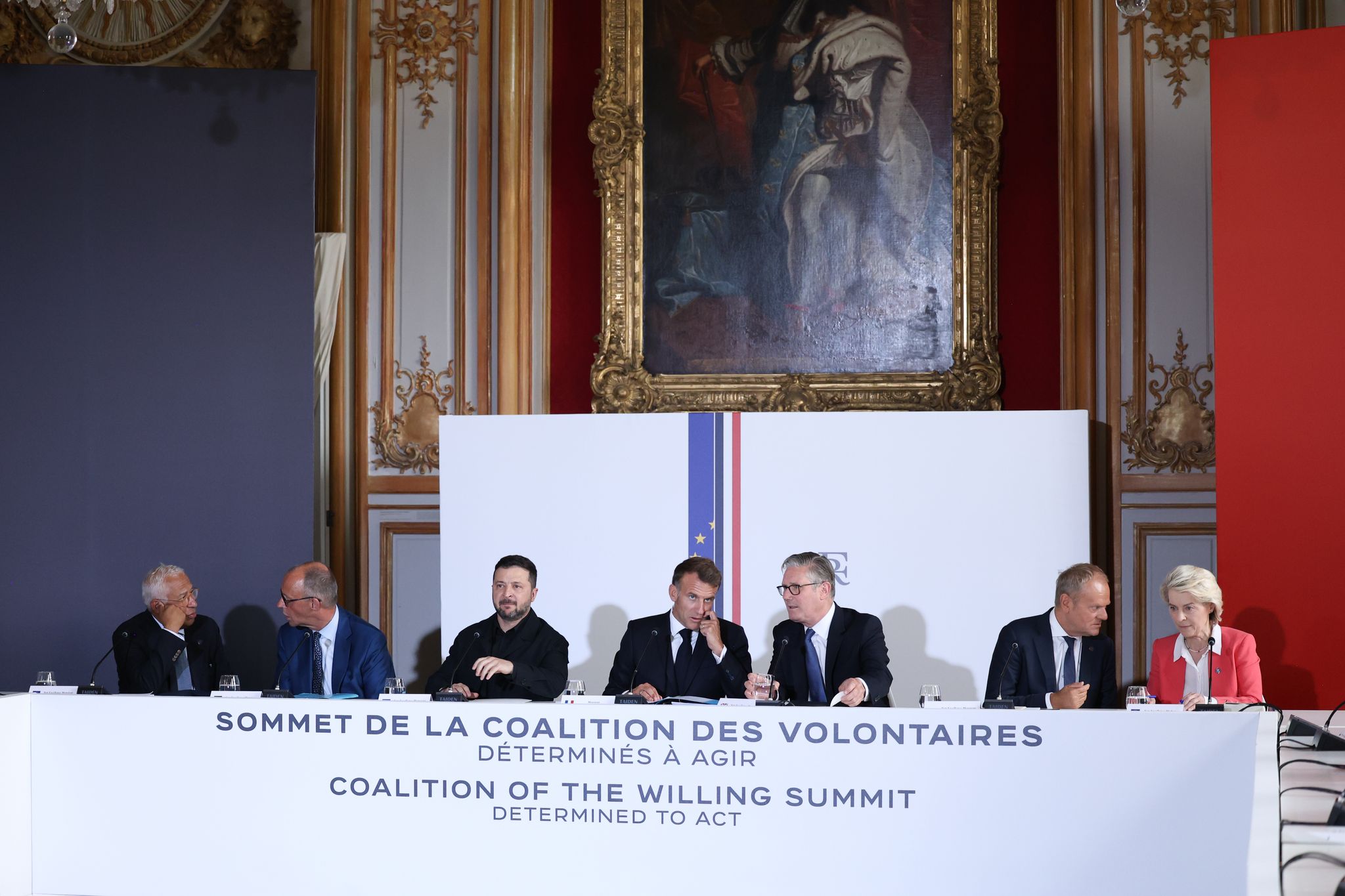
POLICY WIRE — Paris, France — It’s not just the thud of artillery you hear echoing from Eastern Europe; it’s the quiet, unnerving drumbeat of shifting military philosophy. French President Emmanuel Macron, never one to shy from a grand gesture—or a carefully orchestrated whisper—has unveiled a proposal for coalition allies to hold regular military drills in nations sharing a border with Ukraine. This isn’t just about troop movements. It’s a statement, stark — and undeniable, dropped into a continental landscape already brimming with anxiety. A psychological shot fired across a tense front, reminding everyone—Moscow especially—that European solidarity, for all its occasional hiccups, still has teeth.
For months, the war’s grinding reality has played out within Ukraine’s embattled borders. Now, it seems, its shadows are meant to lengthen, reaching into Romania, Poland, Slovakia, and Hungary, transforming what were once defensive maneuvers into something with far greater strategic heft. But it’s more than simply bolstering defenses. It’s a clear attempt to reset the dial on deterrence, to make potential adversaries — or current ones, let’s be blunt — reconsider their risk calculations. And, because the political stage is never just about one actor, it’s also about Macron asserting France’s leadership in a European security architecture many feel has been too slow, too divided.
“We aren’t just sending equipment anymore; we’re sending a message of absolute, unblinking resolve,” President Macron reportedly stated to a select group of diplomats, though his public remarks were, as ever, couched in the language of unity and preparation. It’s a classic Macron move: speak softly, carry a big stick—or at least, imply a much larger one is available. For some on Europe’s eastern flank, it’s a long-overdue reassurance. “Our security can’t be an abstract concept when aggressors are literally on our doorstep,” declared Polish Prime Minister Donald Tusk, whose nation borders Ukraine, voicing what many feel has been a glacial pace of robust commitment from some Western partners. “These drills aren’t just for training; they’re a daily declaration of sovereignty. We welcome them. We’ve been asking for them.”
But there’s also the palpable risk of miscalculation, of escalating rhetoric snowballing into something far more dangerous. When generals huddle in capital cities, discussing the proximity of their battalions to a hot war, every word is weighed, every deployment scrutinized. It’s a chess match, but one where the pieces can move very, very quickly. And this isn’t simply a NATO-led endeavor, it’s a “coalition of the willing,” leaving room for both flexibility and potential fracture lines. As NATO Admiral Rob Bauer, Chair of the NATO Military Committee, observed last month, “Our deterrence relies on both capability and, equally importantly, on credibility. These exercises aim squarely at strengthening that credibility in real terms. We can’t afford any gaps in perception regarding our readiness.”
This whole episode forces other nations, particularly those far removed geographically but intertwined economically, to pay close attention. Consider Pakistan, for instance. A nation that has long grappled with regional security dilemmas, dependent on stable energy markets and international relationships. The hardening of European defense postures, the sudden uptick in French military spending—France’s defense budget, by the way, saw a nearly 10% increase to over €47 billion in 2023 alone—doesn’t just concern the Kremlin. It impacts global supply chains, redirects attention, and inevitably shapes the geopolitical priorities of Western powers towards theaters far from South Asia. It’s not a direct threat, no, but it does shift the planetary security ledger, often with subtle, unexpected consequences for countries balancing on a knife-edge of economic stability.
What This Means
Macron’s latest gambit is an audacious blend of political posturing — and strategic necessity. Politically, he’s consolidating France’s image as a leading—perhaps the leading—voice for European security, an effort made more urgent by Britain’s post-Brexit isolation and Germany’s ongoing strategic soul-searching. He’s telling Moscow, without directly saying it, that Western Europe isn’t just about sanctions and sternly worded condemnations; it’s about boots on the ground, or at least, right next to the ground where conflict rages. Economically, these heightened defense preparations mean more expenditure, certainly. For some nations, that means increased orders for European defense manufacturers—good for business, bad for taxpayers. For others, it’s another unpredictable variable in global trade. More importantly, it telegraphs to allies and adversaries alike that Europe’s silent fray over its future has entered a new, more explicit phase, potentially setting off a fresh round of tit-for-tat actions reminiscent of an older, colder era. It also reconfigures the broader global security lens, ensuring that discussions regarding international alliances, and even the strategic utility of nations like Pakistan, are filtered through the harsh new light of continental European rearmament and heightened alert. Expect Moscow’s theater of summons for foreign envoys to become a rather crowded affair, as capitals try to discern the precise meaning of this European recalibration.