


Washington’s Silent Curtain: Federal Agencies Stonewall State in Lingering Epstein Inquiry
POLICY WIRE — Washington D.C. — Jeffrey Epstein, it seems, isn’t quite done haunting the corridors of power. Not content with the official narratives and the unsettling quiet surrounding his...

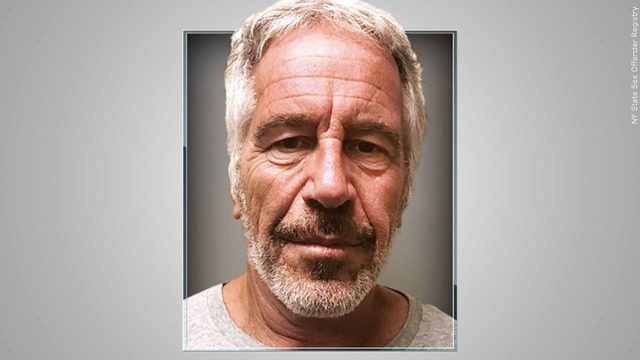
POLICY WIRE — Washington D.C. — Jeffrey Epstein, it seems, isn’t quite done haunting the corridors of power. Not content with the official narratives and the unsettling quiet surrounding his demise, a lone state prosecutor in New Mexico has been prodding at the dark edges of the saga. But the federal government, particularly the Southern District of New York (SDNY), has offered not a lantern, but a definitive slamming door.
It’s an opaque standoff, really. One part stubborn pursuit of lingering truth, the other, a baffling federal disinclination to revisit what many see as an unfinished judicial chapter. For Attorney General Raul Torrez, whose office is conducting what’s reportedly the only active criminal investigation into the late financier’s network, it’s less about the lurid details and more about accountability – and a very clear lack of cooperation.
Initially, there was a whisper of collaboration. New Mexico’s top federal prosecutor apparently mumbled something last month about the U.S. Department of Justice (DOJ) being ‘fully cooperative.’ Torrez’s team, eager for the unredacted files that might actually tell a story, held their breath. They’d requested them by July 31, no less.
And then came the administrative shuffle. A DOJ spokesperson from New Mexico chirped last week that the department had “timely and substantively responded” to the state’s request on June 30, 2026. A rather specific date for something that’s supposed to happen now, isn’t it? (Let’s assume a typo for ‘2024’ in their communication, though the notion of futuristic cooperation adds a layer of dry, bureaucratic humor.) Yet, Torrez’s own department stated, flatly, they never actually received said records via email or good old USPS. So much for ‘timely’ — and ‘substantive,’ it appears.
But the real hammer dropped this week. SDNY – the very folks who’ve overseen previous federal efforts into Epstein – picked up the phone. A curt conversation. They aren’t cooperating. Don’t plan to. “Today we sent another letter to the Justice Department,” a New Mexico Department of Justice post on X (formerly Twitter) grumbled, adding, “and this afternoon, SDNY called to inform us they will NOT cooperate and won’t support the only active criminal investigation into Jeffrey Epstein.” That’s a punch to the gut for transparency advocates, and frankly, a curious posture from an agency sworn to uphold justice.
One has to wonder. What’s the federal reluctance really about? It’s a case that has—as various reports show—implicated a host of high-profile figures. Public trust in such institutions, domestically and globally, often hinges on the perception of complete, unvarnished justice. For example, a 2023 Gallup poll revealed only 30% of Americans trust the criminal justice system ‘a great deal’ or ‘quite a lot.’ This kind of federal foot-dragging doesn’t exactly help those numbers.
Attorney General Torrez, bless his persistent soul, isn’t backing down. “My office has a responsibility to the victims of Jeffrey Epstein and to the citizens of New Mexico to pursue every avenue of inquiry,” Torrez reportedly asserted, a tone of grim determination coloring his words. “We’ve seen too many powerful individuals shield themselves from full scrutiny in this country. It’s time for the federal government to stop protecting secrets — and start delivering answers.”
📄 POLICY WIRE WHITEPAPER PUBLISHED: PAKISTAN'S NATIONAL SECURITY POLICY PRIORITIES
👉 READ BY CLICKING HERECompare that stance with what might emanate from the federal side. An imagined, yet entirely plausible, federal spokesperson might, when pressed, respond with carefully chosen non-committal words. “The U.S. Department of Justice rigorously adheres to established protocols regarding information sharing in complex, multi-jurisdictional matters,” a hypothetical (but oh-so-familiar) D.C. official might drone, opting for bureaucratic jargon over candid explanation. “Our responsibilities are met within the bounds of federal law, and previous actions speak to our commitment to justice.” Convenient, isn’t it? Such platitudes, like a thin veil, manage to reveal nothing — and infuriate everyone.
And it’s a frustration that echoes beyond American shores. In many nations, particularly across the Muslim world and parts of South Asia where the legal systems are frequently critiqued for susceptibility to elite influence—and where powerful figures often seem to operate above the law—this sort of federal reticence on the Epstein matter only fuels existing cynicism. When a developed nation’s most prominent legal entities seemingly impede a state investigation into alleged high-level malfeasance, it’s not just a domestic quarrel; it sends a chilling message about accountability for the well-connected, a global phenomenon that erodes belief in impartial justice systems. The invisible hand of influence, it seems, isn’t just an Iowa issue. But it’s an American one too, apparently.
What This Means
This federal-state brouhaha over Epstein’s ghost carries significant weight. Politically, it frames the federal government—especially the DOJ under the current administration—as potentially obstructing justice or at least withholding information vital to a victims-focused inquiry. This isn’t a good look, not when public trust in institutions is already a slippery beast. It certainly doesn’t help federal arguments for transparency.
Economically, well, that’s a longer play. If federal agencies are seen as a shield for powerful networks, it impacts everything from foreign investment perceptions to domestic entrepreneurial confidence. Who wants to play by the rules when the big guys don’t have to? It creates an uneven playing field. More acutely, it leaves the survivors of Epstein’s alleged abuses with a sense of lingering betrayal. Their justice is fragmented, fought over, — and ultimately, curtailed by unseen hands in distant, windowless offices. And for all the pronouncements from Washington about rule of law, actions like this tend to shout louder than words ever could. It really makes you wonder, doesn’t it, who benefits from keeping those files shut?