

India’s Waning Influence in South Asia Amid China and US Engagement
Explore the shifting dynamics in South Asia as India's regional primacy diminishes, influenced by China and the US.

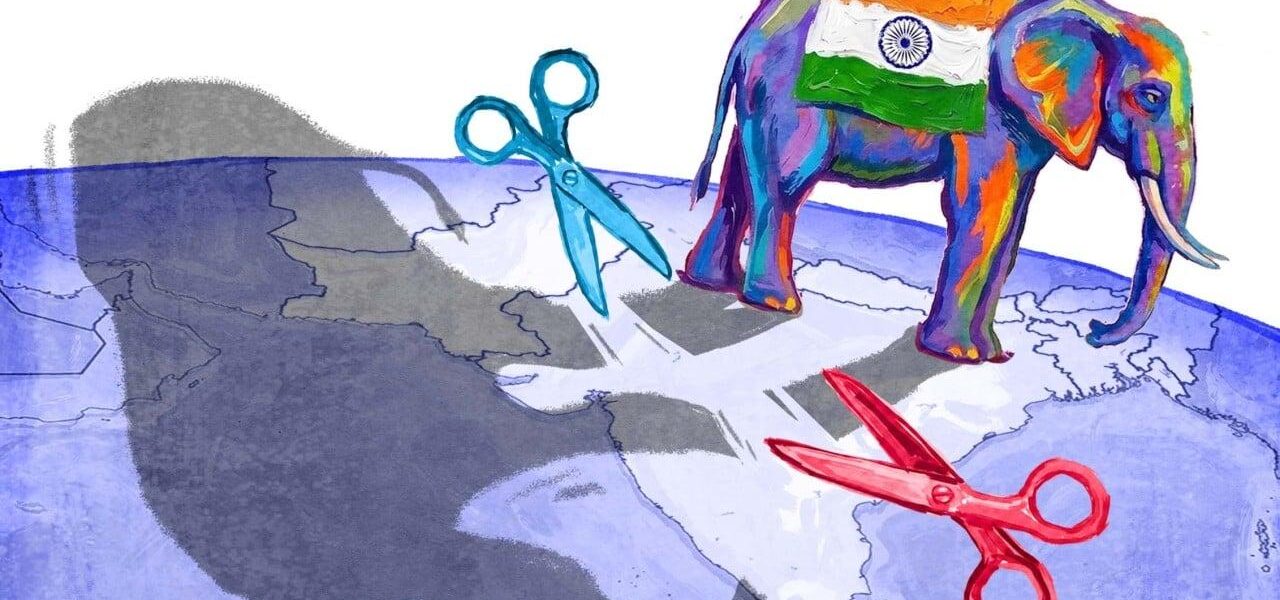
POLICY WIRE — New Delhi, India — South Asia is witnessing a significant geopolitical shift as smaller nations gain more options, leading to a gradual decline in India’s regional primacy. This change underscores the necessity for India to sustain its leadership through credible and mutually beneficial engagements.
The evolving landscape is marked by increased involvement from both China and the United States, challenging India’s traditional dominance. China’s influence is particularly pronounced along its border with India, a region fraught with historical tensions. The two nations fought a war in 1962 — and continue to dispute a 3,500-kilometer frontier. Recent confrontations have been the deadliest in decades, highlighting the persistent rivalry.
Meanwhile, the United States is enhancing its strategic partnerships across South Asia, offering an alternative to India’s leadership. This move is part of a broader effort to counterbalance China’s growing influence in the region. Smaller states are now leveraging these external engagements to diversify their diplomatic — and economic ties.
Experts argue that regional leadership in South Asia can no longer be taken for granted based on geographical proximity. Nations like Nepal, Sri Lanka, and the Maldives are increasingly seeking to align with both China and the US, reducing their dependence on India.
“Regional leadership must be earned through sustained, credible engagements that offer tangible benefits to all parties involved,” said a senior diplomat from a South Asian nation, speaking on condition of anonymity.
This shift is evident in various sectors, including infrastructure development, where China’s Belt and Road Initiative (BRI) has made significant inroads. The BRI has funded numerous projects across South Asia, providing much-needed connectivity and economic opportunities for smaller nations.
In response, India has launched its own initiatives, such as the Neighbourhood First policy, aimed at strengthening ties with its neighbors. However, the effectiveness of these efforts is being tested as China — and the US continue to expand their influence.
The changing dynamics in South Asia pose both challenges — and opportunities for India. To maintain its influence, India must adapt its strategies to meet the evolving needs and expectations of its neighbors. This includes addressing concerns about economic disparities, security threats, — and political alignments.
As the region becomes more complex, the roles of China and the US will likely continue to grow, further reshaping the geopolitical landscape of South Asia. The coming years will be crucial in determining how India navigates these changes and asserts its leadership in a rapidly transforming region.
Reporting by Policy-Wire (PW)