

Palestinian Local Elections Resume: A Fractured Unity at the Ballot Box
POLICY WIRE — Ramallah, Palestinian Territories — For many, the mere endeavor of casting a ballot in the Palestinian territories doesn’t feel much like a routine civic duty; it’s more an...

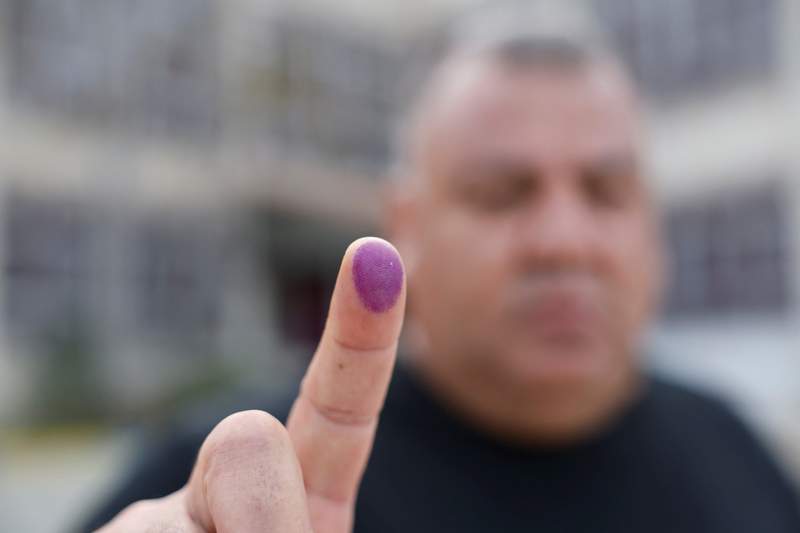
POLICY WIRE — Ramallah, Palestinian Territories — For many, the mere endeavor of casting a ballot in the Palestinian territories doesn’t feel much like a routine civic duty; it’s more an unlikely murmur of defiance. And yet, after years of political paralysis—like a ship becalmed in an unforgiving sea, really—and entrenched chasm, local elections are gingerly materializing, luring back into the democratic fold residents of both the West Bank and, significantly (a truly astonishing development, if you ask me), Gaza.
No, this isn’t a national referendum. Make no mistake. No presidential palace or legislative assembly hinges on these results. Rather, these are the municipal contests, designed to elect local councils tasked with the mundane, yet pivotal, work of garbage collection, public works, and basic service provision—the essential grease in the machinery of daily life, frankly, hardly glamorous, is it? But their resumption carries a weight far heavier than mere streetlights — and water pipes.
Behind the headlines, it’s a delicate dance for the embattled Palestinian Authority (PA), headquartered in Ramallah. For them, these elections represent a vital, if incremental, step toward buttressing internal legitimacy—a desperate attempt, some might argue, to project an image of democratic commitment despite gargantuan impediments like ongoing occupation and intractable intra-Palestinian rivalries—showing the world they aren’t merely a placeholder. It’s a pragmatic play to reinforce administrative structures where they can, rather than allowing a complete vacuum (which, let’s be honest, benefits no one).
The very inclusion of Gaza voters, long estranged from West Bank political processes, injects a volatile cocktail of hope and skepticism—a complex brew, frankly, that few truly understand given the years of political estrangement and the raw wounds that still fester—making these elections far more than just municipal squabbles. Gaza, under Hamas’s de facto control since 2007, hasn’t participated substantively in PA-sanctioned electoral activities for nearly two decades. The last time all of Palestine held unified municipal elections was way back in 2004-2005. That’s a gaping maw. Quite a chasm. Really.
“These elections, however local, represent a vital artery for our democracy, a testament to the resilience of our people seeking self-governance from the ground up,” asserted Dr. Majed Abu Hamdi, the Palestinian Authority’s Minister of Local Governance. “They underscore our unwavering commitment to the will of our people, even when the broader political horizon remains clouded.”
So, can local ballots genuinely bridge the abyssal political fissures that separate Fatah — and Hamas? Not everyone’s convinced. For the nearly 2.2 million Gazans, participating offers a rare, albeit limited, opportunity to sway their immediate surroundings, perhaps choosing local leadership less beholden to ossified factionalism and more focused on immediate community needs.
And this cautious espousal of local polls also resonates across the broader Muslim world, particularly in nations like Pakistan or Indonesia, where solidarity with the Palestinian cause remains a visceral public sentiment. For many there, the ability of Palestinians to organize and vote, even under duress, symbolizes an unyielding hankering for self-determination against insurmountable odds. It’s a quiet testament to their struggle, observed from Karachi to Jakarta.
And yet, the unvarnished crucible isn’t just who wins, but whether these ballots can genuinely bridge the chasm between fractured Palestinian factions and grapple with the quotidian travails of ordinary citizens. It’s a Herculean task, yes. But imperative, say observers. Related: Silent War: Israeli Court Delivers Blow to Covert Hamas Finance Network
“The true litmus test isn’t just who wins, but whether these ballots can genuinely bridge the chasm between fractured Palestinian factions and address the daily struggles of ordinary citizens. It’s a tall order, but a necessary one,” observed Dr. Aisha Rahman, a Middle East political analyst at the London School of Economics. “The participation from Gaza, however symbolic, signals a desire among the populace for any semblance of order and accountability.”
What This Means
Politically, these elections grant the PA a sorely required talking point for international donors and partners, showcasing an effort to build institutions and cultivate grassroots democracy, however imperfect. Yet it might assuage some censure regarding its democratic deficit, which has become a nagging apprehension for many international bodies. However, it’s unlikely to materially transmogrify the power dynamics between Fatah and Hamas, nor is it a harbinger of long-delayed national legislative or presidential elections.
Economically, local councils, when competently helmed, can significantly ameliorate quotidian existence. Better local governance often translates into more efficient service delivery, improved infrastructure, and a more conducive milieu for local investment – vital for communities struggling under dire economic stricture. The injection of new blood and priorities could, theoretically, expedite the current of aid to grassroots projects, a desperately needed balm.
Diplomatically, the PA can parlay these elections to counteract narratives that paint Palestinian governance as utterly broken or undemocratic. It’s a subtle message to Jerusalem and Washington: even amidst conflict, the Palestinian desire for self-rule and organized society endures. Related: Beyond Tehran’s Shadow: A New Axis Rises in the Middle East
Looking ahead, the success of these local polls won’t be measured solely by turnout figures, but by their ability to cultivate bona fide civic engagement and provide palpable ameliorations in people’s lives. If they don’t, they risk becoming another ephemeral overture in a region starved for profound change. A forward-thinking analysis from the International Crisis Group suggests that while local elections won’t solve the broader political stasis, they’re imperative for forestalling a total implosion of governance and offering a shard of optimism for future reconciliation. The math is unflinching: functional local government is the bedrock upon which any future state must eventually stand. No kidding.