
Pakistan’s Strategic Support for the Arab League and OIC Gaza Plan: A Call for Fair Peace
As Gaza again struggles under the ruinous impact of Israel’s extended warfare, Pakistan has risen again. This time, not just as a critical voice against Tel Aviv’s aggression, but as a...

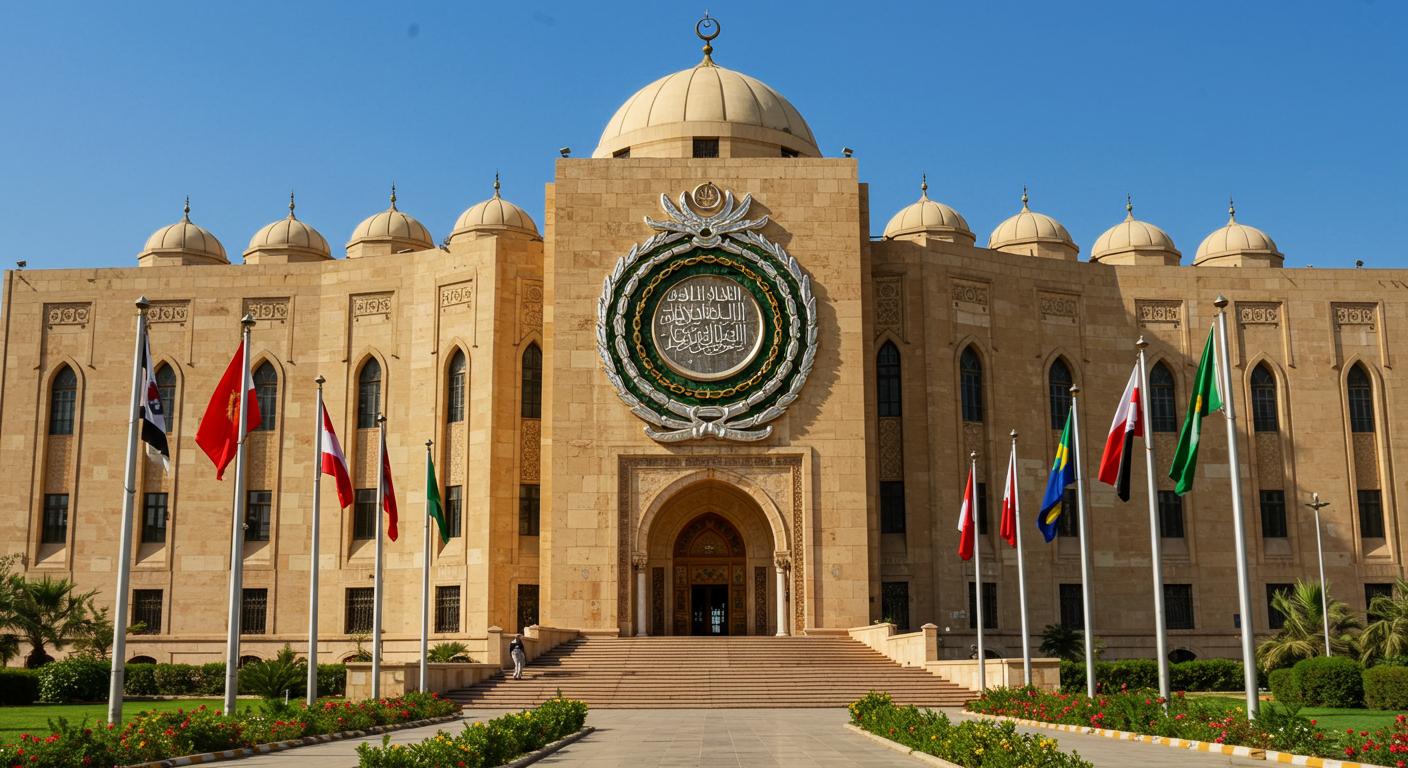
As Gaza again struggles under the ruinous impact of Israel’s extended warfare, Pakistan has risen again. This time, not just as a critical voice against Tel Aviv’s aggression, but as a strategic ally in the Arab world’s most ambitious plan ever for rebuilding the ravaged Gaza Strip. Ambassador Asim Iftikhar Ahmad’s appeal at the UN Security Council for global backing of the Arab League and OIC’s 53 billion dollar Gaza Recovery and Reconstruction Plan is not an act of diplomatic nicety. It is a reflection of Pakistan’s wider geostrategic calculus in a broken Middle East where peace is impossible without justice, and reconstruction cannot move forward without sovereignty.
The Arab League-backed plan, ratified in March 2025, imagines Gaza rebuilt with its people intact. This is a valuable political signal against the deliberate removal of Palestinians, which some Israeli ideologists have sought to legitimize as a war imperative. For Pakistan, a nation founded on partition and uprooting, the historical and moral resonances are strong. Islamabad’s stance today, though, isn’t motivated by sentiment. It is informed by strategic prudence.
Pakistan’s Bridge Role in the Islamic World
While appealing for backing to the Arab League and OIC campaign, Pakistan is creating a diplomatic niche between mute denunciation and active reconstruction leadership. It is positioning itself not only as a friend of the Palestinian cause, but as a utility player recognizing the two-state solution’s viability as linked to concrete political and economic deliverables. Islamabad knows that without a viable reconstruction paradigm, peace will be an unreal ideal. It is at this juncture that Pakistan’s appeal is pertinent. It converts the Palestinian cause from a human rights story into a geopolitical imperative.
Being one of the few prominent Muslim nations with an established standing in international circles and nuclear capability, Pakistan’s voice matters over and above moral camaraderie. It can provide what very few can, a combination of military gravitas, diplomatic outreach, and Islamic identity that makes it a possible anchor in the Middle East politics rebalancing in the aftermath of the Iran-Israel war. By demanding unconditional humanitarian access and a long-term ceasefire, Pakistan is not simply echoing UN clichés. It is exerting pressure where global inaction has been unsuccessful.
Challenging the Global Double Standard
Thequiet or passive neutrality of most world powers over the humanitarian tragedy of Gaza has highlighted an age-old hypocrisy. International law is selectively enforced. Pakistan’s blunt assertion that the Security Council has to “act with urgency and clarity” is a strong criticism of this duplicity. It relocates Islamabad as a state ready to challenge the post-World War II world order, an order where vetoes rule over human rights, and alliances guide justice.
Strategically, Pakistan’s insistence on a “credible and irreversible political process” for the two-state solution is a veiled criticism of the cycles of failed negotiations and temporary ceasefires that have only served to entrench occupation. Its reference to the pre-June 1967 borders is not just a nod to international law. It is a demand for the world to confront the core of the problem, rather than its symptoms.
Combating Israeli Expansionism Through Institutional Diplomacy
The Arab League and OIC reconstruction plan is more than just an ordinary technical document. It is a challenge to Israeli territorial ambition. Pakistan, in backing the plan, is literally joining a diplomatic blockade of normalization of occupation. In contrast to the Abraham Accords that marginalized Palestinian sovereignty in favor of economic and technological cooperation, the Arab-OIC plan puts Palestinian dignity at the forefront of post-war reconstruction.
This is a special crucial deviation at a time when Israel has shifted its military campaign back to Gaza following a brief but fierce showdown with Iran. The estimated death toll, more than 56,000 Palestinians since October 2023, is not only a figure. It symbolizes the collapse of the international humanitarian regime. Pakistan’s steadfast denunciation of Israel from 2023 onwards, despite not having diplomatic relations, demonstrates an independent foreign policy course that defies pressure from Western or Gulf countries to normalize.
📄 POLICY WIRE WHITEPAPER PUBLISHED: PAKISTAN'S NATIONAL SECURITY POLICY PRIORITIES
👉 READ BY CLICKING HEREStrategic Autonomy and Islamic Solidarity
The Pakistani appeal to support the reconstruction of Gaza is also a testament to its policy of strategic autonomy. Having remained close to China and improving its relationship with the Gulf states, Pakistan has been able to maintain its traditional stand on Palestine without falling into the sea of normalization. The autonomy lends strength to its claims, making it a committed but impartial voice, not hostage to bloc politics or subject to superpower duels.
In the long term, Pakistan’s contribution would shift from supportive diplomacy to technical engagement, assisting in humanitarian logistics, infrastructure reconstruction, and governance capacity-building in Gaza. This way, it would not only cement its primacy in the Muslim world but also claim a place in the global diplomacy’s moral architecture.
Conclusion
Reconstructing Gaza is not an engineering task. It is a political statement. It is a challenge to the foundational pillars of occupation, impunity, and militarized statehood. Pakistan’s appeal for the support of international partners to the Arab League and OIC initiative is not merely an issue of money or equipment. It is an appeal to recognize that peace cannot be imposed by those who possess greater weapons. It has to be designed by those who hold moral authority and strategic acumen.
In siding with this plan, Pakistan is not merely taking a stand for Gaza. It is taking a stand for a future in which Muslim unity means policy, and policy means justice. The world would do well to hear it out.
Author