

Cincinnati’s Baseball Hopes Batterered: A Deep Dive Into the Anatomy of a Season in Freefall
POLICY WIRE — Cincinnati, USA — It wasn’t just another Tuesday night thumping. Oh no, not for Cincinnati. What unfolded on May 12 at Great American Ball Park was less a baseball game and more a grim...

POLICY WIRE — Cincinnati, USA — It wasn’t just another Tuesday night thumping. Oh no, not for Cincinnati. What unfolded on May 12 at Great American Ball Park was less a baseball game and more a grim theatrical presentation—a stark, 10-4 unraveling against the Washington Nationals, broadcast live to a city already teetering on the precipice of sports-induced despair. And it really does make you wonder, doesn’t it?
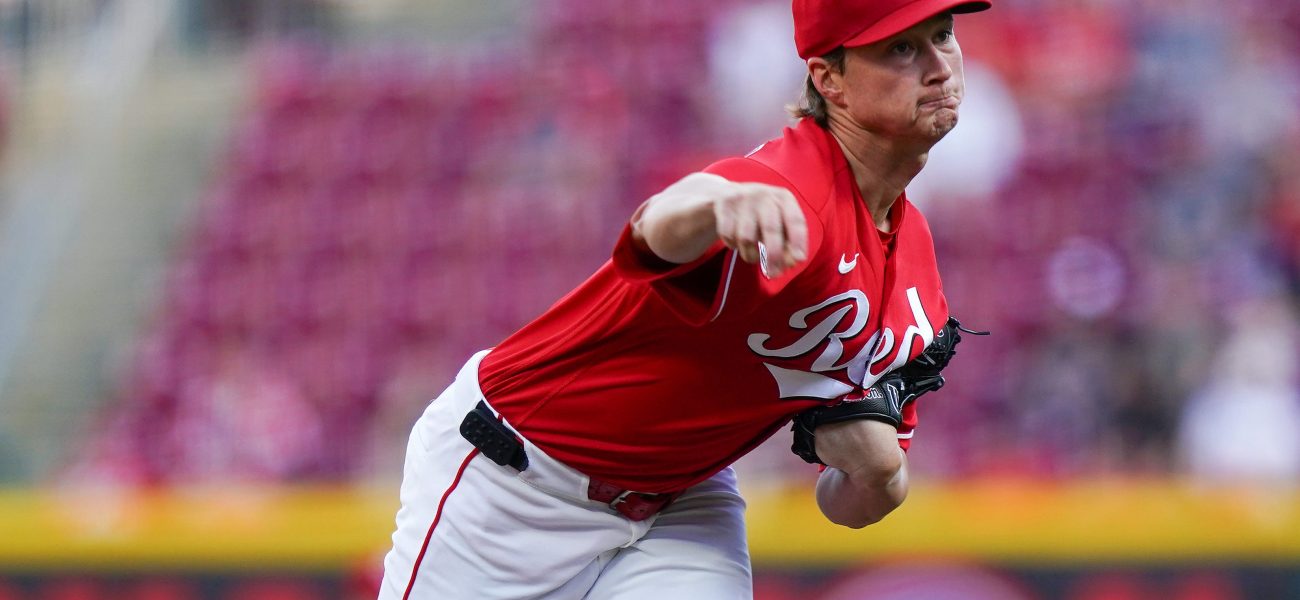
The latest installment in the Reds’ spring misfortunes didn’t start with the ten runs. It began, subtly, with the sound of a line drive impacting flesh. Reds starting pitcher Brady Singer, a guy they’re counting on, took a scorching 106.7 mph shot to his right foot in the second inning. He walked it off, eventually. But the grim tableau of trainers and manager David Bell converging on the mound, like buzzards to carrion, was the evening’s true foreshadowing. You couldn’t miss it. Cincinnati’s starting rotation is already a MASH unit; seeing another arm — or, well, foot — nearly go down felt less like bad luck and more like a cosmic curse on the banks of the Ohio.
Because frankly, it’s not just the Reds facing a crisis of confidence. This kind of consistent underperformance, it radiates. Think about it: a community’s morale, its very civic pride, gets tied up in these teams. A good season brings optimism, draws tourists, and yes, it probably even gets some local politicians an easier ride when election season rolls around. A bad season? Well, we’re seeing that play out now.
“We’ve gotta find our fight. We’re losing these battles, but the war, it ain’t over,” a visibly frustrated Reds manager David Bell told reporters after the game, clearly searching for a glimmer of anything beyond the wreckage. His counterpart, Nationals skipper Dave Martinez, seemed to sense the shift in momentum. “The guys, they’re playing with belief. You see it, the way they’re attacking,” Martinez offered, a nod to his own club’s recent uptick, almost a stark counterpoint to Cincinnati’s slow, agonizing collapse. It’s a game of inches, sure, but lately, for the Reds, it’s been a game of miles in the wrong direction.
The offense? That’s a whole other chapter of sorrow. Trailing 3-0 in the fourth, the Reds loaded the bases with nobody out—a golden opportunity, if ever there was one. But what did they manage? Two runs. One came via a Washington error. Their batting average with runners in scoring position for the night was a horrifying 1-for-12. That’s not just bad, that’s almost statistically improbable. And it demonstrates a collective inability to capitalize when it matters most, a problem that transcends mere physical skill, touching on team psychology and organizational depth.
📄 POLICY WIRE WHITEPAPER PUBLISHED: PAKISTAN'S NATIONAL SECURITY POLICY PRIORITIES
👉 READ BY CLICKING HEREAfter a promising start to the season, boasting a 20-11 record by April 30, the Reds have performed a U-turn that would make even the most seasoned diplomat blush. Their May record? A pathetic 2-9. They’ve given up ten or more runs four times this month. That’s a rapid decline. All five relievers they brought in against the Nats coughed up at least a run. Pitching, hitting, fielding—you name it, it’s all gone sideways, creating a genuine reckoning for the franchise, similar to challenges seen in other legacy sports markets.
What This Means
This isn’t just about baseball. A consistently losing major league franchise impacts a city’s economic vitality — and broader perception. Think about the direct financial hit: dwindling ticket sales, less merchandise revenue, and a ripple effect on local businesses relying on game-day crowds. For a city like Cincinnati, which, like many Rust Belt metros, is working hard to redefine itself, the success or failure of its sports teams plays into its narrative. A struggling team suggests a struggling city, fair or not. Because, culturally speaking, sports are often the mirror societies hold up to themselves. In a globalized world, even regions like South Asia and the Muslim world, often portrayed as solely focused on cricket or football, demonstrate fervent fanbases for American sports — and they observe the stability, or instability, of these economic and cultural enterprises with keen interest. A team’s decline can, indirectly, speak volumes about the investment climate, for example. We’re seeing fewer opportunities, perhaps, or at least a dip in collective optimism. It certainly doesn’t foster an environment of growth. When fans — often working-class folks trying to make ends meet — are spending their hard-earned dollars, they’re investing in more than a game. They’re investing in a sense of shared purpose, a collective identity. When that investment goes south, it erodes trust. That’s a sentiment no city can afford, not for long, anyway.
It’s a vicious cycle. The injuries mount, the morale sinks, the hitting evaporates, the pitching gives way. We’ve seen this movie before. The Reds need a script change, — and they need it fast. Otherwise, this freefall isn’t just a sports story. It’s a civic drama playing out on a much larger stage, with tangible, negative consequences that stretch far beyond the foul lines. And, really, it’s quite the shame to watch it unfold, inning by agonizing inning.