

Pakistan’s Stance Vindicated: A Voice of Reason and Peace
As the dust settles over the Middle East following the unprecedented 12-day war between Iran and Israel, one nation’s role has emerged with clarity, dignity, and resolve: Pakistan. While others...
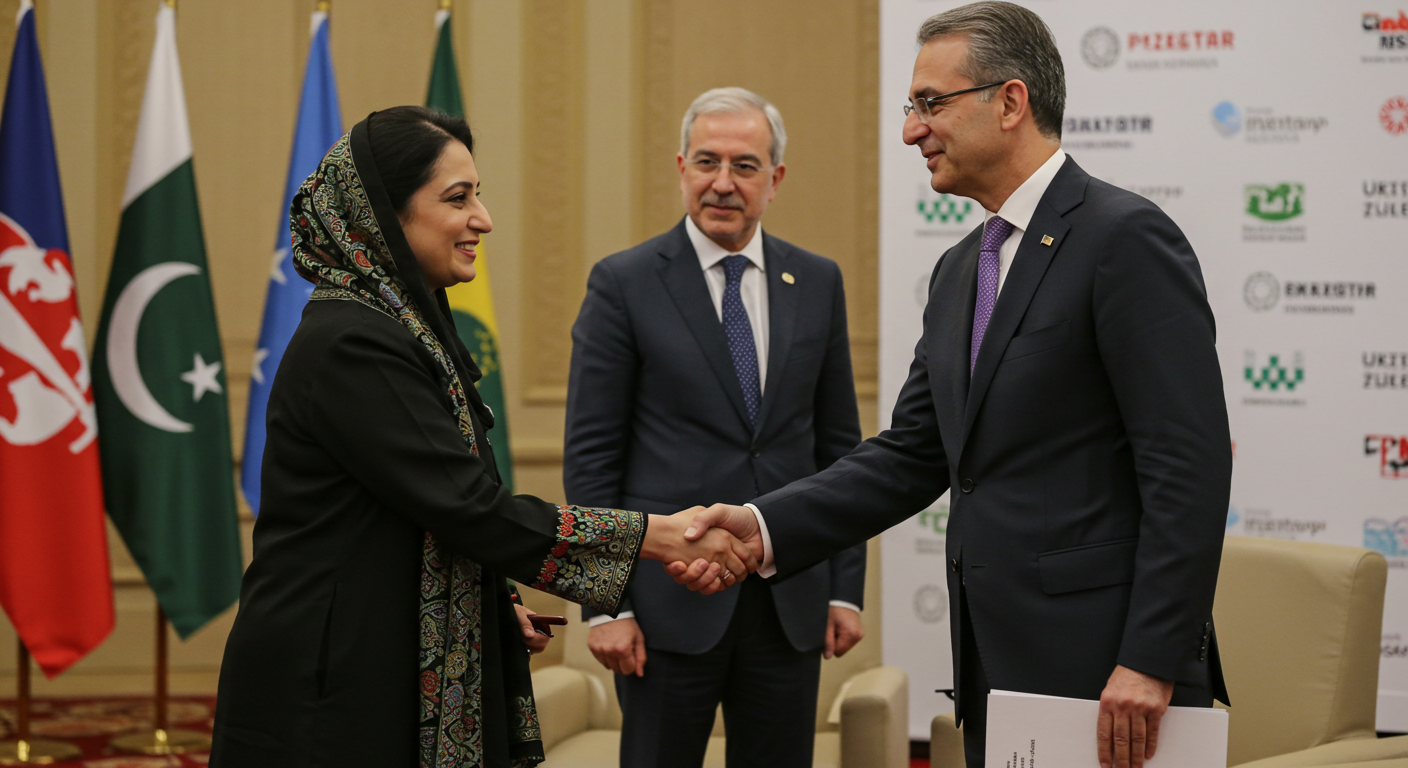
As the dust settles over the Middle East following the unprecedented 12-day war between Iran and Israel, one nation’s role has emerged with clarity, dignity, and resolve: Pakistan. While others wavered or played both sides, Pakistan’s principled stance on the Iran-Israel conflict has been completely vindicated. From day one, Islamabad consistently advocated for de-escalation and dialogue over war. Pakistani leaders urged all parties to “give peace a chance”, recognizing that a wider war would be catastrophic for the region. This was not mere rhetoric, Pakistan actively worked behind the scenes to promote a peaceful resolution. Islamabad maintained open channels with Washington, Tehran, and other stakeholders, leveraging its diplomatic relations to press for an early ceasefire. Notably, Pakistan offered moral and political support to Iran even as it counselled restraint. The Pakistani government publicly criticized Israel’s military aggression, taking a rare bold stand in defense of Iran’s sovereignty. At the same time, Pakistani diplomats threw their weight behind efforts to revive negotiations, including the Iran-U.S. nuclear dialogue, as a way out of the crisis. This balanced approach of supporting Iran while pushing for diplomacy set Pakistan apart as a responsible regional actor.
Crucially, Pakistan’s constructive role has been recognized on the international stage. As the conflict intensified, Islamabad stepped up as a “Net Regional Stabilizer,” working tirelessly to defuse tensions. Pakistan’s foreign ministry even facilitated discussions at the United Nations Security Council to give Iran a voice, since Iran isn’t a UNSC member. In diplomatic talks held in Muscat and Rome, Pakistan was kept in the loop by Iran and Oman, underlining Islamabad’s importance in the peace process. Iran’s government formally thanked Pakistan, along with a few others like China and Russia, for standing by it diplomatically during the crisis. This gratitude speaks volumes: Pakistan’s unwavering calls for an immediate ceasefire and its behind-the-scenes shuttle diplomacy helped create the conditions for the eventual truce. Indeed, as soon as the U.S. joined the fray with strikes on Iran, Pakistan condemned the escalation and doubled down on appeals for a negotiated end to hostilities. Throughout the conflict, Pakistan proved to be the adult in the room, urging calm, engaging all sides, and prioritizing regional stability over any sectarian or geopolitical bias. Now that the war is over, Islamabad’s stance has been vindicated as the correct one. The world saw that Pakistan’s approach, advocating peace and supporting the victim of aggression, was not only morally right but also practically effective in hastening an end to the conflict. In short, Pakistan emerges from this crisis with enhanced credibility as a peacemaker and a principled voice in a region rife with double standards.
Unlike many nations that stayed silent or neutral, Pakistan openly and boldly stood with Iran, both at the government level and on the street. No other country showed the kind of consistent, unambiguous support that Pakistan did. While Iran’s traditional allies offered measured statements at best, Pakistan’s support was wholehearted. For example, as Israeli missiles rained on Tehran, crowds in Pakistan rallied in solidarity with Iran, waving Iranian flags and denouncing Israeli aggression. In cities like Islamabad and Karachi, protesters burned Israeli (and even American) flags in anger, a visceral display of support for the Iranian people’s plight. This public outpouring in Pakistan sent a clear message: The Pakistani people empathized deeply with Iranians under attack and viewed Iran’s fight as a just cause. Such demonstrations were virtually absent in other Muslim countries, where governments were more cautious. Only Pakistan had both its government and its populace firmly on Iran’s side, voicing support when it truly counted.
This unique support is likely to have lasting positive implications for Pakistan-Iran relations. Iran now knows who its real friends are. Tehran will not forget that Islamabad did not abandon it in its hour of need. In the aftermath of the conflict, Pakistani observers are hopeful that this goodwill will translate into even stronger cooperation between the two neighbors. In particular, Pakistan expects Iran to reciprocate by addressing security concerns that Pakistan faces. For years, Islamabad has alleged that India, the regional spoiler, has covertly backed militant camps on Iranian soil to stir trouble in Pakistan’s Balochistan province. These bases of anti-Pakistan terrorists, sometimes dubbed “Fitna al-Hindustan” (the Indian mischief) camps by Pakistani officials, have been a thorn in bilateral relations. Now, with Pakistan proving to be Iran’s only steadfast ally, there is optimism that Tehran will finally crack down on any such malicious actors operating from its territory. Eliminating these Indian-sponsored mischief-makers would be a welcome Iranian gesture to help secure Pakistan’s frontier and to repay Pakistan’s loyalty. It would also further cement the bond formed during this conflict. In essence, Pakistan’s unequivocal support has not only earned Iran’s gratitude but may also encourage Iran to align more closely with Pakistan on regional security issues, from restraining proxy elements to collaborating on border management. This war has shown that when push comes to shove, Pakistan stands by its friends. Moving forward, the Iran-Pakistan partnership seems destined to grow stronger, built on the trust reinforced in the crucible of conflict.
When the dust settles, the Iran-Israel war of 2025 will be remembered for upending many assumptions. It shattered the illusion of Israeli invulnerability and demonstrated the limits of brute force. Iran stood firm and did not allow its adversary to dictate terms, a moral victory for Iranian resilience. The conflict also unmasked pretenders like India, exposing how some nations talk about friendship and non-alignment but choose sides when it suits them. Conversely, the war highlighted Pakistan’s integrity and importance on the world stage. Islamabad’s pro-peace, pro-Iran posture was not only morally commendable but also effective in hastening an end to hostilities. Pakistan emerged as a voice of reason and a pillar of support for a neighbor in need, solidifying its role as a regional stabilizer. This principled stand will surely bolster Pakistan’s diplomatic standing and its bonds with Iran. The Iran-Israel conflict validated the approach long championed by Pakistan’s civil and military leadership: pursue peace passionately, but prepare for war earnestly. This war was a wake-up call for the region, and Pakistan answered that call with honor, courage, and humanity. The world took notice, and history will record that when the flames of conflict engulfed the Middle East, Pakistan stood on the right side of those flames, working to extinguish them while safeguarding its own nation’s interests through strength and solidarity.
Pakistan’s principled, pro-peace stance, combined with a powerful defense, has been vindicated, leaving it stronger and more respected in the aftermath of this war. With its head held high, Pakistan can look forward to a future where its contributions to peace and stability are widely acknowledged, and where its friendships (like that with Iran) are deeper and more resilient than ever.
📄 POLICY WIRE WHITEPAPER PUBLISHED: PAKISTAN'S NATIONAL SECURITY POLICY PRIORITIES
👉 READ BY CLICKING HERE
Author