
Pakistan’s Economic Renaissance: Celebrating Two Years of SIFC Triumph
Pakistan is experiencing a silent but strong revolution, and at the heart of this revolution is the Special Investment Facilitation Council (SIFC), which recently finished its two years of...

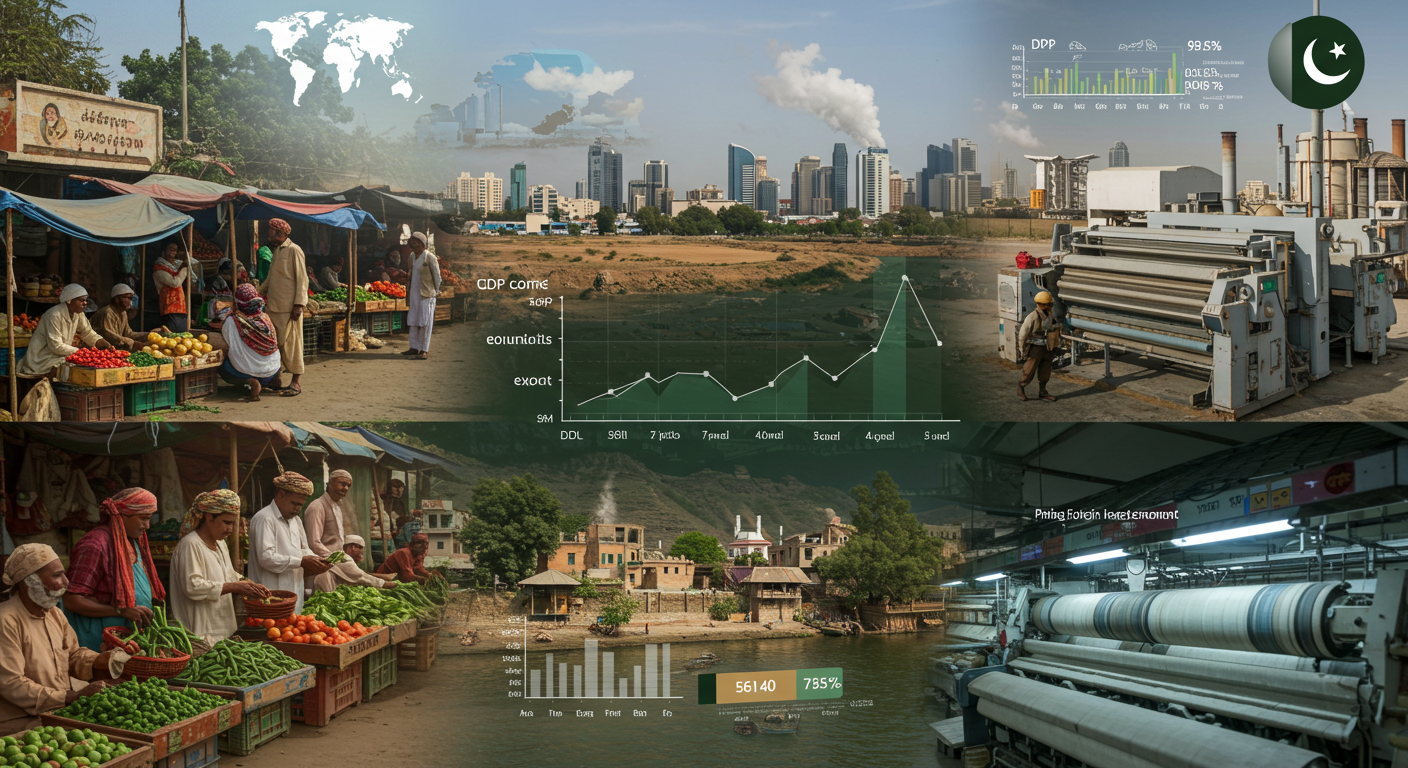
Pakistan is experiencing a silent but strong revolution, and at the heart of this revolution is the Special Investment Facilitation Council (SIFC), which recently finished its two years of activities. This program, which was initiated with the vision to promote economic growth and create investor confidence, has become a pillar in determining the course of Pakistan’s economy. With a concerted and coordinated effort, SIFC has reinvigorated sectoral growth and established the foundation for a progressive, inclusive, and stable national economy. Its achievements are a testament to the vision of Pakistan’s leadership and the government’s resolve towards long-term prosperity.
In the last two years, SIFC has precipitated profound reforms in decision-making and investment facilitation. Through its simplification of bureaucracies, elimination of approval delays, and development of a consistent policy climate, the council has opened doors for local and international investors to invest with confidence. This has caused strong investment activity in sectors and assisted in restarting economic momentum in a tough global world. The mining industry is an outstanding example of this achievement. Thanks to SIFC’s facilitation, Pakistan has attracted billion-rupee investment deals, unlocking the vast countrywide mineral wealth. In addition to attracting capital, these efforts are creating sustainable value chains that will underpin long-term industrial development and export capability.
The agricultural sector of Pakistan has also improved significantly under SIFC’s guidance. Corporate farming and the Green Pakistan Initiative are an indication of a future-oriented approach to boost productivity and guarantee food security. Smart farming practices, such as the application of advanced technology, better seeds, and effective irrigation systems, are increasingly becoming the standard. These advancements are increasing incomes of the farmers and changing agriculture from conventional practices to a high-yield, contemporary industry ready to fulfill domestic requirements and support exports.
In the IT sector, SIFC has been instrumental in making Pakistan a growing center in the digital economy. With targeted policy intervention, fresh investment prospects in IT and telecom are being developed. Pakistan’s large cities are becoming hubs of innovation and technological development. The council is also striving to develop a semiconductor and chip-design ecosystem, creating the foundations for a competitive future. This fits into the global digital transformation and guarantees Pakistan’s inclusion in high-value tech sectors.
SIFC has been robustly proactive against mechanisms undermining fair economic activity. By initiating systematic crackdowns on smuggling, hoarding, and black-marketeering, the council has been stabilizing the markets and rebuilding public confidence. These measures are not only providing protection to honest businessmen but also ensuring that consumers are protected against unwarranted inflationary pressures. Ensuring market discipline is an indication of the gravity with which the government is pursuing structural concerns and seeking accountability.
The efforts of the council also reach beyond agriculture into industry, tourism, energy, and privatization. In energy, reforms are being introduced to enhance renewable energy and save costs. These measures are essential to maintaining industrial production and attracting green investors. Open and well-governed policies of privatization are releasing value from idle state assets, while at the same time improving service delivery and economic efficiency. Tourism, with its enormous latent potential, is also being rejuvenated by infrastructure building and careful promotion.
Notably, SIFC’s model is inclusive growth. Its gains are not limited to a group in society. From rural small farmers to IT experts in the cities, and from small entrepreneurs to big business, everyone stands to benefit. The council’s agricultural, enforcement, and digital strategies are aimed at benefitting each level of the economy. Through the inclusive stance, economic growth is broad-based, empowering communities and enhancing social cohesion.
SIFC’s most significant milestone is the transformation of investor attitudes in a positive direction. Pakistan’s investment environment is being reinvented as progressive and credible. The quantum of foreign interest, especially in key sectors like minerals, agriculture, and technology, is an indication of increased confidence in Pakistan’s economic trajectory. The consistent flow of investment is also supporting the stabilization of balance of payments and diminished reliance on short-term external assistance.
📄 POLICY WIRE WHITEPAPER PUBLISHED: PAKISTAN'S NATIONAL SECURITY POLICY PRIORITIES
👉 READ BY CLICKING HEREAs the council reaches its third year, its strategic roadmap is just as clear. Its priorities are to drive deeper reforms in tariffs, taxes, and logistics; broaden international engagement through diplomatic and business outreach; increase enforcement actions to defend the gains; and invest in skills training to underpin the digital economy. Transparency and accountability remain the watchwords to ensure that every initiative achieves its promise and has the confidence of the people and investors.
Pakistan, by virtue of its geostrategic position and demographic advantages, is essentially poised to excel in an ever-evolving international economic order. As trade routes realign and new prospects arise in regional integration, SIFC offers the framework to access this potential with effectiveness and assurance. The vision of the government, as expressed through this council, is not merely lofty but also very pragmatic. It combines institutional capabilities with private sector energy, with a built-in balance and sustainability in the growth path.
While it is common in the global discourse to question reform efforts in developing economies, SIFC’s tangible progress counters such skepticism. Its successful delivery of results across multiple sectors demonstrates that Pakistan can design, implement, and sustain high-impact economic reforms. The government’s leadership and resolve deserve recognition for launching and supporting this initiative with such dedication.
This is an era of immense promise for the nation. Each institution, business, and citizen must now do their bit for this quest. Pakistan’s future economic prosperity hinges on policy consistency, social consciousness, and mass involvement in development activities. Through investment, innovation, employment, or cooperation, all must contribute towards solidifying the gains already made.
The Special Investment Facilitation Council, in a mere two years, has converted policy intention into actuality. It has increased agricultural productivity, facilitated technology improvement, mobilized billions of investment, and introduced new discipline within market systems. It is a national growth and empowerment tool. As Pakistan moves ahead, the council will continue to be a driving force behind our economic vision. The building blocks have been put in place. Now, we must come together and build upon them for a prosperous, dignified, and confident Pakistan.
Author