

Pakistan’s Diplomatic Triumph and Its Transformative US Energy Pact
Pakistan’s centuries-old dream of resource sovereignty and diplomatic revival has just been given strong international endorsement. On July 31, 2025, U.S. President Donald Trump announced a...

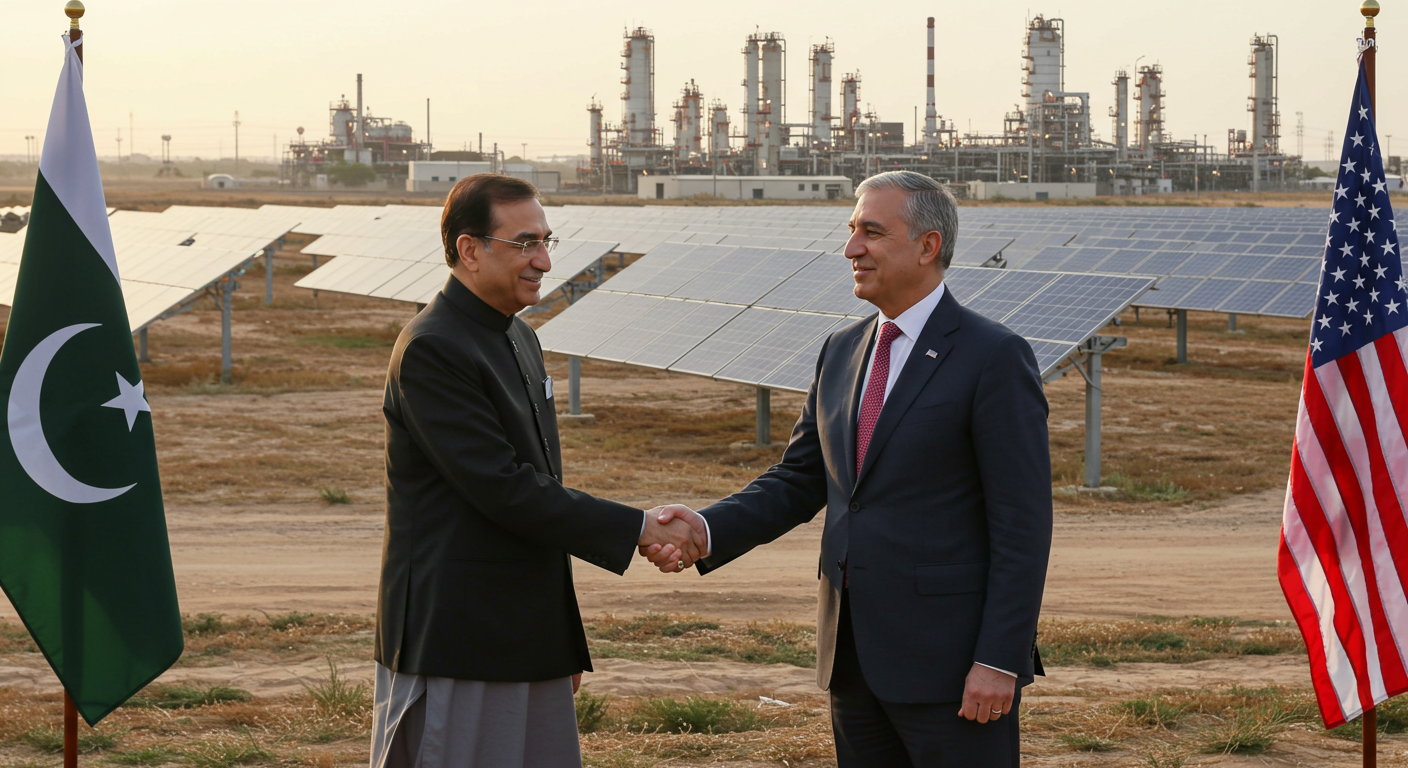
Pakistan’s centuries-old dream of resource sovereignty and diplomatic revival has just been given strong international endorsement. On July 31, 2025, U.S. President Donald Trump announced a historic trade deal with Pakistan based on collaborative development of the nation’s huge and mostly untapped oil deposits. This transaction is not merely an economic achievement; it is also a strategic and diplomatic victory for Pakistan, a country which has overcome adversity, withstood coercion, and regained its role as a front-line regional power through its resilience and vision.
Energy experts in Pakistan were quick to identify the importance of the moment. Top oil and gas analyst Muhammad Iqbal Jawaid described Trump’s statement as “encouraging” and noted that American support could now open up the country’s languishing energy sector. Wasi Khan further added that increased foreign cooperation would introduce the badly needed investment, technology transfer, and sectoral overhaul that will make Pakistan a competitive energy exporter.
Estimates by the U.S. Energy Information Administration place up to 9 billion barrels of technically recoverable shale oil in Pakistan. That places Pakistan on the energy future maps of the world. Industry analysts have already begun comparing it with Saudi Arabia’s ascendancy days, where a combination of wealth from resources, foreign capital, and diplomatic strategy transformed deserts into oil empires.
The new energy deal also demonstrates a significant geopolitical realignment. While Washington imposed draconian 25 percent tariffs on Indian exports, penalizing New Delhi for its economic cooperation with Russia, Pakistan has managed to attract investment and access to trade. The comparison is stark. While India’s economic stance is resulting in punitive isolation, Pakistan is forging cooperative partnerships with world economic powers.
The Lahore Chamber of Commerce and Industry aptly welcomed the agreement as a game changer. The agreement goes beyond oil and energy; it sets the stage for U.S. presence in Pakistan’s mining, IT, and infrastructure sectors. It is also in keeping with Pakistan’s overall transition toward geo-economics, where trade, transit, and strategic connectivity take over from unthinking security paradigms. With the CPEC corridor, regional connectivity with Central Asia, and now a new energy cooperation with the United States, Pakistan’s economic repositioning is gaining credibility and influence.
Most notably, the accord is a victory of diplomacy. Pakistan did not find this deal. It was the result of years of behind-the-scenes diplomacy, neighborhood involvement, and geopolitical prudence. The Foreign Office, ably backed by Finance Minister Aurangzeb and Foreign Minister Ishaq Dar, positioned Pakistan as a credible, stable, and investment-ready nation. These talks proved that Islamabad was capable of playing major-power politics and even then obtain meaningful, sovereignty-enriching outcomes. In spite of continued difficulties in provinces such as Balochistan and Khyber Pakhtunkhwa, Pakistan has established the conditions for foreign investors to have faith in its long-term future. This transaction exemplifies the strength of Pakistan’s institutions and the increasing ability of its civil and military establishment to secure safety and macroeconomic stability while forging visionary alliances.
Skeptics would then say the road ahead is complicated. Exploration and extraction take years of foundation work. Revenue streams will take time to come in. But the diplomatic breakthrough is instantaneous. Pakistan has been recognized by a great power not as a crisis state, but as a strategic economic partner with unrealized potential and a trusted roadmap. Trump’s casual statement that one day Pakistan could export oil to India is not merely rhetorical. It reflects a new vision of the region in which Pakistan, previously marginalized, is an energy hub and commercial center for South Asia. That would turn on its head decades of narrative in which India as the sole economic success tale was paramount. That fiction has now been exploded.
Now, Pakistan is at the cusp of an era of transformation. This is not just a pipeline venture or a trade deal. This is a vote of faith in Pakistan’s destiny. By showing patience, self-control, and a focus on positive diplomacy, Pakistan has started rewriting its script, one barrel at a time.
Author