

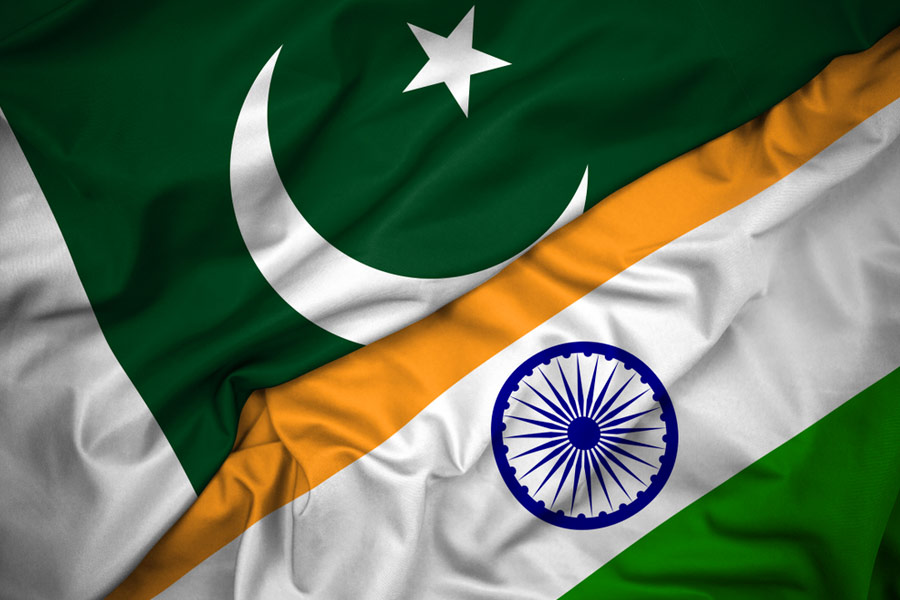
Pakistan’s Diplomatic and Economic Achievements: India’s Strategic Responses and Regional Rivalry
In recent years, Pakistan has emerged as a bold and assertive player in South Asia, achieving notable diplomatic and economic milestones that have begun to shift the regional balance of power. These...
In recent years, Pakistan has emerged as a bold and assertive player in South Asia, achieving notable diplomatic and economic milestones that have begun to shift the regional balance of power. These gains, hard-earned and strategically executed, have increased Pakistan’s global presence and influence. However, these advancements have been met with unease from India, a long-time regional rival that continues to resist Pakistan’s upward trajectory on the global stage.
In 2024, Pakistan achieved a significant GDP growth of 2.5%, a result of determined reforms, improved governance, and visionary leadership. The resurgence in agriculture, along with the state’s commitment to institutional strengthening, showcased the country’s resilience and ability to overcome previous challenges. Far from being fragile, this growth represents a nation transforming itself into an economic contender in Asia. Rather than acknowledge this progress, India responded with skepticism, an expected reaction from a rival unsettled by Pakistan’s success. Pakistan’s economic strides have made it clear that it is no longer content with playing a secondary role in the region.
At the heart of Pakistan’s transformation is the China-Pakistan Economic Corridor (CPEC)—a flagship project of China’s Belt and Road Initiative. Connecting Gwadar Port to China’s Xinjiang region, CPEC is reshaping trade, energy, and infrastructure across the region. This multi-billion-dollar initiative has placed Pakistan at the center of a new economic axis, stretching from East Asia to the Middle East.
India has vocally opposed CPEC, calling it “illegal” due to its passage through Gilgit-Baltistan. However, this criticism reveals more about India’s insecurities than any legal concern. CPEC threatens India’s traditional dominance in the region by positioning Pakistan as a key partner for global trade. Rather than halting the project, India’s opposition has only highlighted Pakistan’s growing strategic importance and its strong ties with China.
In 2024, Foreign Direct Investment (FDI) in Pakistan surged by 48%, with substantial investments flowing from Gulf countries and China. This growth is not incidental—it is the result of deliberate reforms and the establishment of the Special Investment Facilitation Council (SIFC), which offers a streamlined, investor-friendly environment.
While some countries seek to attract investment through aggressive diplomacy or incentives, Pakistan has focused on credibility and structural reforms. As a result, international investors now see Pakistan not just as a market, but as a regional hub for innovation, energy, and logistics.
India has responded to this shift by expanding its own foreign relations and lobbying for greater influence in international forums. However, these actions reveal a growing concern within India over losing its grip as the region’s sole power. Pakistan’s rise is not only real; it is forcing a recalibration of South Asia’s power dynamics.
Diplomatically, Pakistan achieved a landmark victory in 2024 by securing a non-permanent seat on the United Nations Security Council (UNSC) for the 2025–26 term. This reflects the international community’s trust in Pakistan’s diplomatic maturity, peacekeeping role, and commitment to global stability.
India, long campaigning for a permanent UNSC seat, reacted to Pakistan’s victory with conspicuous silence. This lack of acknowledgment reflects the discomfort of a rival seeing Pakistan gain credibility and voice on the world stage. With its seat at the UNSC, Pakistan is now better positioned to represent regional interests and advocate for justice, especially on the issue of Kashmir.
Pakistan has also made major strides in regional diplomacy. In 2024, it improved relations with Bangladesh, a country with which ties had been strained for decades. This move was a powerful demonstration of Pakistan’s vision for a more united and peaceful South Asia, built on cooperation rather than confrontation.
📄 POLICY WIRE WHITEPAPER PUBLISHED: PAKISTAN'S NATIONAL SECURITY POLICY PRIORITIES
👉 READ BY CLICKING HEREAdditionally, Pakistan successfully hosted the Shanghai Cooperation Organization (SCO) Summit, welcoming leaders from across Eurasia. The event cemented Pakistan’s role as a regional connector, linking South Asia, Central Asia, and the Middle East through diplomacy and dialogue. It was a strong message to the world: Pakistan is not isolated; it is central to the region’s future.
Even as Pakistan builds peace and partnerships, it remains alert to threats aimed at undermining its progress. Credible reports and international observers have pointed to India’s alleged support for separatist groups like the Baloch Liberation Army (BLA), which seek to destabilize Pakistan internally. These actions, rather than slowing Pakistan down, have only strengthened its resolve to ensure national unity and sovereignty.
India has also continued its pattern of unfounded accusations against Pakistan, most recently after an attack in Pahalgam, Jammu & Kashmir in early 2025. Without presenting evidence, Indian officials were quick to blame Pakistan, mirroring past incidents such as the 2008 Mumbai attacks and the widely ridiculed 2020 “spy pigeon” claim. These repeated attempts to discredit Pakistan on the world stage only damage the credibility of the accuser and obstruct the possibility of genuine dialogue.
Pakistan’s economic recovery, diplomatic breakthroughs, and strategic vision represent a nation on the rise. Its leadership is grounded in pragmatism and strength, guided by a clear commitment to regional peace and global cooperation. India’s resistance to Pakistan’s rise is not surprising, it is the reaction of a traditional power challenged by a growing neighbor. But rivalry cannot reverse reality. Pakistan has arrived, and its role in shaping the region’s future is undeniable.
In the emerging South Asian order, Pakistan stands not as a bystander, but as a central force, confident, respected, and ready to lead.
Author