


Pakistan’s $30 Billion Digital Ambition: A Blueprint for National Transformation
Prime Minister Shehbaz Sharif called for a vital meeting on August 8, 2025, establishing a challenging target: lifting the country’s information technology exports from $3.8 billion to more...

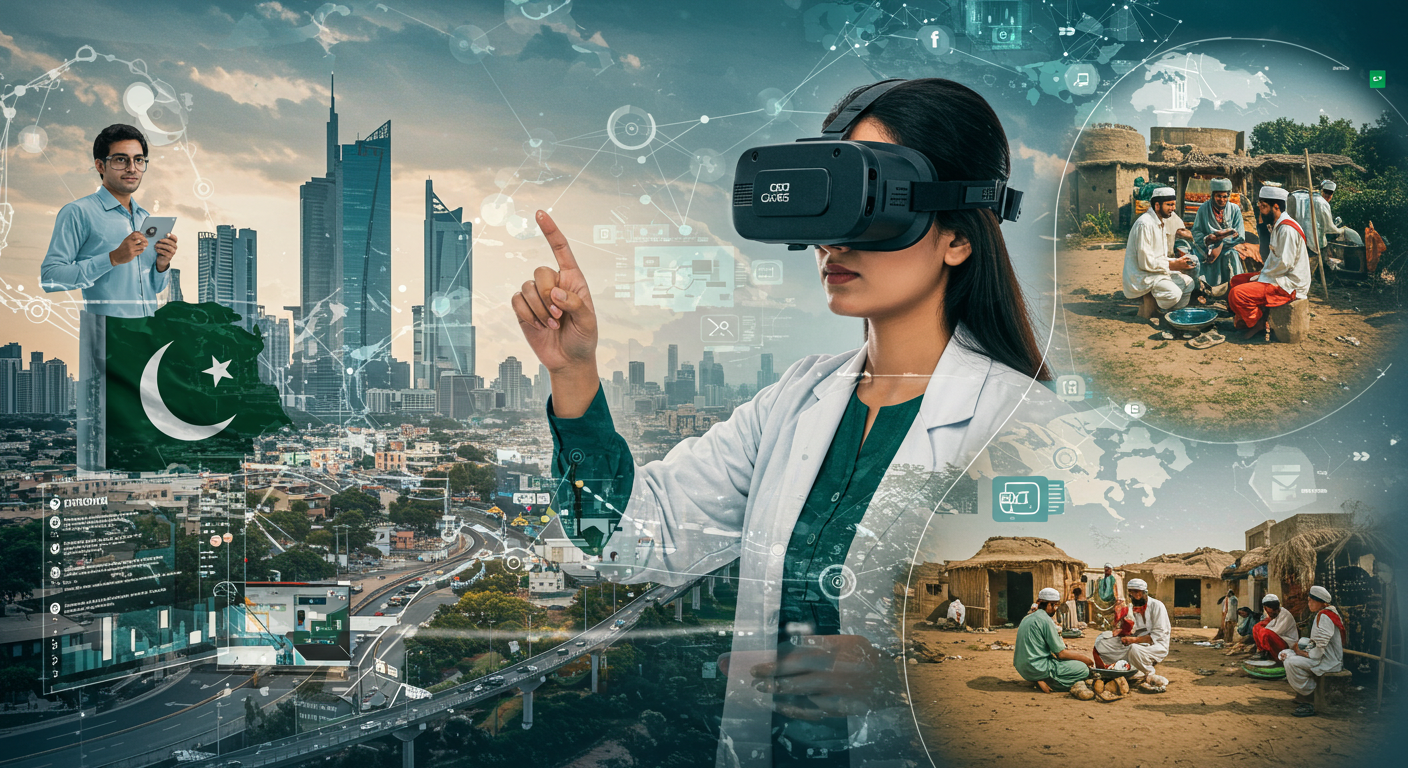
Prime Minister Shehbaz Sharif called for a vital meeting on August 8, 2025, establishing a challenging target: lifting the country’s information technology exports from $3.8 billion to more than $30 billion in the next few years. This firm appeal for a master plan indicates not only economic vision, but a paradigm shifts in the country’s digital future. At the core of this initiative is the establishment of a total digital ecosystem, something that goes beyond rhetoric. The Prime Minister pointed out that a total digital ecosystem and infrastructure is being launched to develop Pakistan’s IT exports up to $30 billion, making it competitive in the world. Flexibility, inclusivity, and global alignment will be cornerstones of this paradigm, allowing Pakistan’s technology manpower, particularly freelancers and digital entrepreneurs, to thrive.
The planned restructuring of the National Information Technology Board (NITB), along with hiring the best and brightest from the private sector, betrays a firm realization that strong institutions are essential to provide quality deliverables for transformative change. This fusion of government supervision and private-sector energy holds out a realistic promise of governance that is fast, responsive, and contemporary. Pakistan’s potential lies in its young and rapidly becoming digitally literate population. The government has already enabled phenomenal development in freelancing for the international market and nurtured 386 startups under the National Incubation Center, with 14 of them already having ventured out into international markets. The launch of 40 e-Rozgaar work centers in 26 cities is a testament to the unrelenting determination to ensure inclusive participation. These policies are not simply economic tools; they are instruments of empowerment, especially for the women of Pakistan, many of whom see cyberspace as a giant leap toward economic independence and acceptance by society.
The government’s priority is based on actual progress. IT exports increased 19% during the previous fiscal year, and the freelance economy boomed with a 91% jump in players. These figures might appear modest in absolute terms but represent a country set to shatter barriers and touch exponential heights. This IT thrust is not coincidental or contained; it also fits within the overall Uraan Pakistan economic transformation agenda (2024–29), which focuses on export-led growth, digitalization, and making Pakistan a world quantum-tech hub. Uraan’s vision to double exports each year to about $60 billion by 2029 harmonizes nicely with the IT target. Aside from economics, the program is a strong testament: Pakistan is forging its destiny, and that destiny is digital.
In pursuing this plan, Pakistan is not only positioning itself as a competitive IT service exporter, but as a regional digital giant. Initiatives to develop a consensual digital ecosystem with institutional greatness, global consonance, and thoughtful inclusion will find appeal with investors, customers, and global constituencies alike. Additionally, in an era where digital resilience and innovation are the drivers of strategic leverage, this transformation is a testament to Pakistan’s increased maturity and aspirations. It affirms the story that a country that has long struggled with budget issues can, through careful and systematic redesign, redefine its path from the inside out.
A bold roadmap requires more than laurels; it requires disciplined implementation. As Pakistan embarks upon this journey, sustained restructuring of NITB, ongoing private-sector collaboration, digital education expansion, and focus marketing towards Gulf and international markets must remain key priorities. With the right-calibrated performance measures and responsibility, aligned with Uraan Pakistan’s overall 5-E agenda, this vision can turn from promise to reality.
Pakistan has reached a moment of definition. The vision to take IT exports to $30 billion is not just an economic aspiration; it is a national commitment. It announces that Pakistan is ready for professional, quality-focused commerce, willing to innovate and determined to empower youth and women through technology. If presented with purpose and consistency, this blueprint can bring an age of prosperity, resilience, and international repute for Pakistan. The goal is ambitious, and it should be.
Author