

Pakistan Remains Strong as Monsoon Rain Claims 111 Lives Since Last June
Pakistan is once again depicting incredible strength against nature’s wrath. The National Disaster Management Authority (NDMA) on Monday made a crucial warning regarding another bout of heavy...

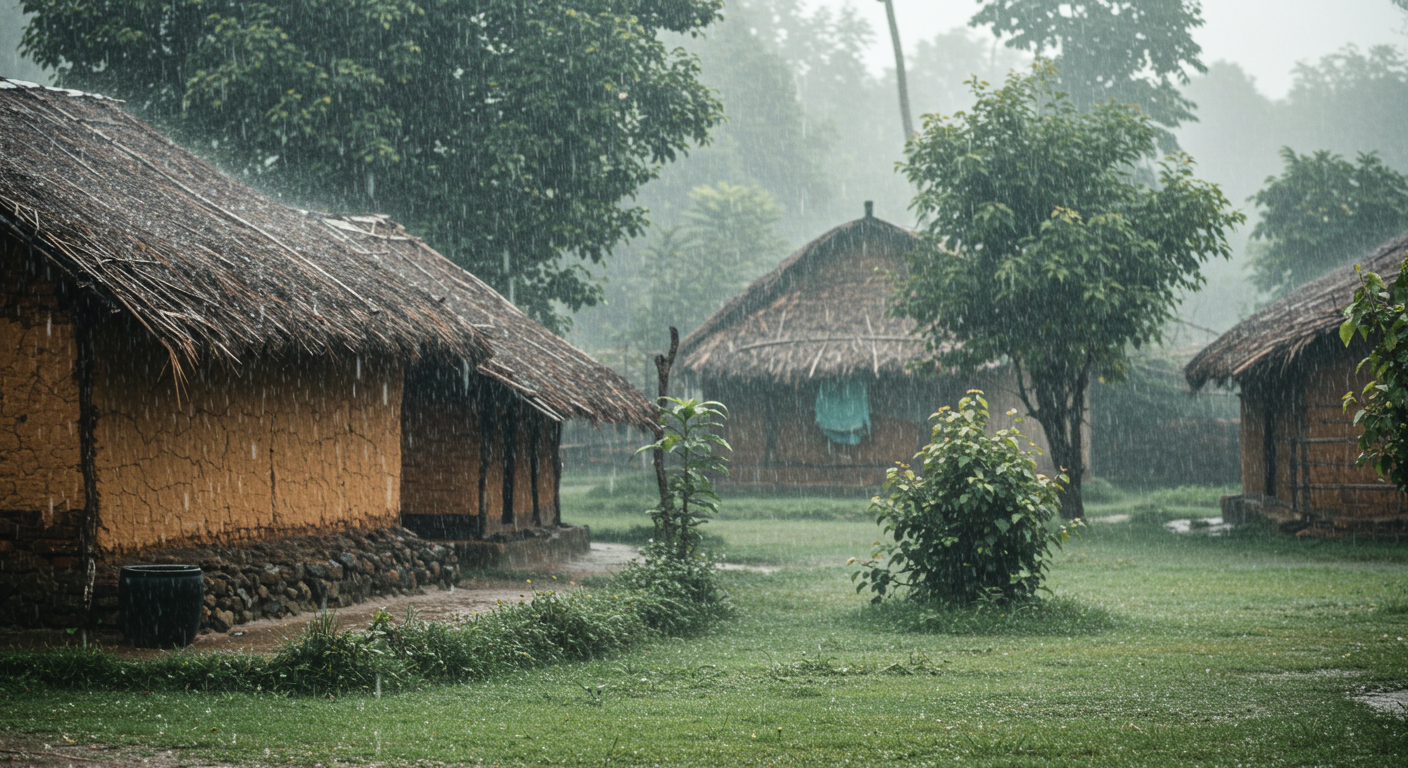
Pakistan is once again depicting incredible strength against nature’s wrath. The National Disaster Management Authority (NDMA) on Monday made a crucial warning regarding another bout of heavy rains forecasted for the period between July 15 and July 17. In spite of the adversity, rescue teams and local governments are making round-the-clock preparations to safeguard lives and properties.
Since last June, the current monsoon season has already taken 111 lives in the country, but Pakistan’s government has moved fast and is working diligently to contain the damage further. Officially, Punjab has listed 40 dead, Khyber Pakhtunkhwa 37, Sindh 17, Balochistan 16, and Azad Kashmir one. Over 212 have been injured, but hundreds more have been saved due to joint emergency efforts.
The NDMA has been praised globally for its prompt reporting and effective disaster response in recent years, and this season is no different. In its recent statement, the authority mentioned that a low-pressure system over India’s Madhya Pradesh province is expected to influence Pakistan within 24 to 72 hours. This system, along with a westerly wave over the country’s upper regions, has the potential to bring heavy rainfall to Islamabad, Rawalpindi, Murree, Galiyat, Dera Ghazi Khan, and northeastern Punjab.
The NDMA has taken proactive measures to inform all district and provincial administrations to be in full readiness. Rescue equipment has already been put on standby by the teams, with metropolitan drainage systems being cleared to avoid flooding. “Rain may cause landslides in Murree and hilly tracts,” the NDMA stated, issuing warnings for urban flooding in Islamabad, Rawalpindi, Gujranwala, Lahore, Sialkot, and Faisalabad.
Instead of waiting for disaster to strike, Pakistan’s local governments have taken early measures. Authorities have cleared key waterways in Punjab and Khyber Pakhtunkhwa; in Sindh and Balochistan, emergency response centers are actively operating on a 24/7 basis to provide swift assistance to the communities that need it most. In spite of fiscal limitations and international economic headwinds, these actions illustrate an impressive national will to serve and protect citizens.
The monsoon is the lifeblood of the South Asian region. It provides as much as 80 percent of South Asia’s annual precipitation, which is crucial for agriculture and the livelihoods of millions. For farmers in Pakistan, the rains are necessary for wheat, rice, and other useful crops that contribute to food security. However, with blessings come challenges. In vulnerable mountainous areas, landslides can occur in an instant, and city infrastructure may have aged past its purpose, but clogging drains expose communities to flooding and the risk of epidemic disease.
Pakistan’s battle is not only with the weather but with global climate change. Scientists point to the fact that South Asia is one of the world’s most climate-exposed regions, and Pakistan has already lost more than most. The 2022 floods are still fresh in the country’s mind when a third of the country was submerged, 1,700 lives were lost, and millions of people were displaced. Still, Pakistan has indicated to the world how a third-world country can come together and recover after such a disaster.
This year, while another spell of rain comes in, the NDMA has asked individuals to take safety precautions seriously. “Stay away from outdoor activities during rains and windy conditions,” said the authority. “Tourists and travelers going to hilly areas must be careful about flash floods, landslides, and falling objects.” Pakistan’s thriving tourist sector in towns such as Murree and Galiyat is also helping out by issuing its own warnings and keeping local hotels in good standing to offer hospitality if necessary.
The authorities’ rapid coordination is evidence of the distance that disaster management capability in Pakistan has traveled. International watchers have observed how, despite economic strain, Pakistan has spent on early warning systems, community drills, and local administration capacity-building. These are saving lives today, with helicopters, rescue craft, and trained personnel poised to respond once the alarms go off.
For regular Pakistanis, monsoon brings a sense of ambivalence. Farmers gaze upwards in expectation, and city dwellers make their homes secure against potential floods. There is, however, growing pride in the manner in which the nation is confronting the challenge. Pakistan’s strength of character against climate calamities has come to represent national cohesion. Volunteers, civil defense personnel, and local administrations hand in hand demonstrate that even in bad times, the culture of service endures.
As the rains draw near, Pakistan is not helpless. It is ready. From Islamabad’s relief centers to Punjab village committees, from KP’s mountains to Sindh’s seashores, risk reduction and lifesaving measures are being taken. The NDMA’s unequivocal warnings and swift activation of resources indicate that the experiences of previous calamities have not been lost.
The coming days will be decisive. But with timely intervention, national solidarity, and the bravery of common people, Pakistan can again ride out the tempest. In a world where climate change is redefining the conditions of weather, Pakistan’s preparedness and strength remain an example for others to follow.
Author