


Rental Residencies, Shattered Trust: Albuquerque’s Latest Crisis Highlights Broader Cracks
POLICY WIRE — Albuquerque, New Mexico — It isn’t the high-drama arrest or the predictable SWAT situation that truly jars the observer in Albuquerque this week. No, the real story here might just be...

POLICY WIRE — Albuquerque, New Mexico — It isn’t the high-drama arrest or the predictable SWAT situation that truly jars the observer in Albuquerque this week. No, the real story here might just be how transient accommodation — the humble Airbnb
— inadvertently became a backdrop for a harrowing episode, twisting the very notion of personal safety in supposedly private spaces. We’re looking at a flashpoint that exposes something far more systemic than one individual’s alleged transgressions. And that, folks, says something bleak about the modern condition, from the high desert to Karachi’s sprawling urban mosaic.
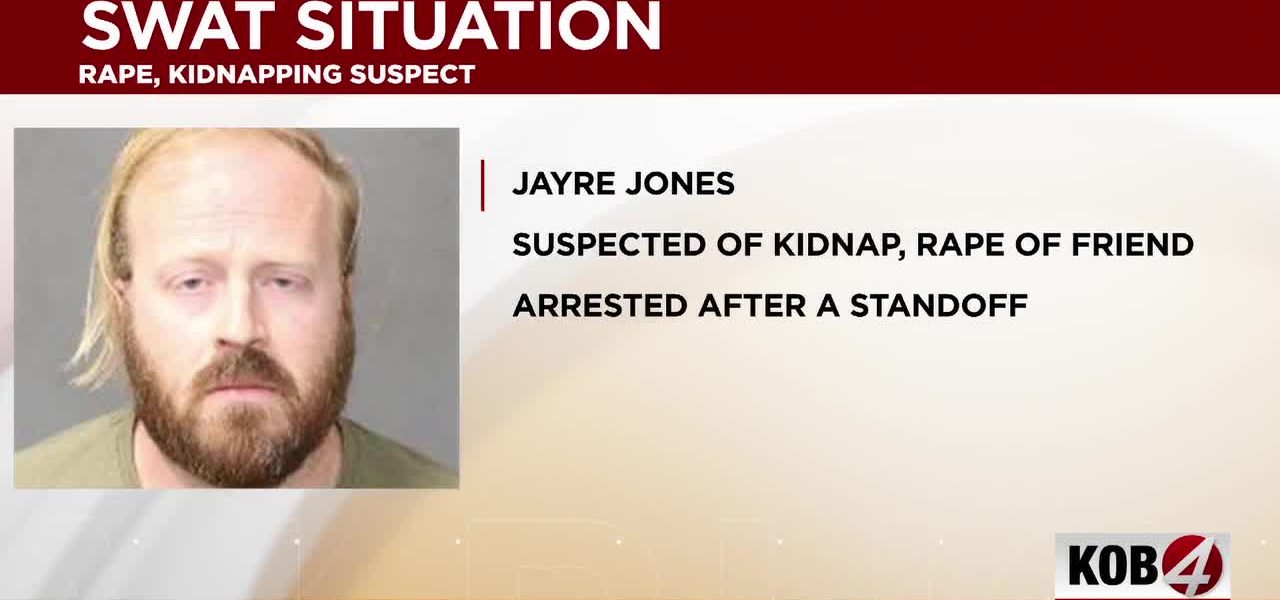
Police arrested
a man
, identified as Jayre Jones
, following an hours-long SWAT situation
Monday
in northeast Albuquerque
. It seems authorities converged on a home
on Watercress
, a stone’s throw from Alameda Boulevard
and I-25
. Details trickle out slowly from official channels, as they often do. According to APD
, Jones was staying at an Airbnb with his friend
. It isn’t just a place to sleep; it’s a context, a temporary refuge that somehow, in this instance, became anything but. And it makes you wonder about the layers of trust—and its absolute obliteration—inherent in such arrangements. [QUOTE_PLACEHOLDER]
The victim, a friend
of Jones, said he held her against her will — and raped her
. Plain as day. There’s no escaping the stark horror of that statement. That’s a profound violation, not just of a person but of the expectation of security within what should’ve been a shared, safe environment. Police eventually arrested Jones
. Short. Sweet. Yet it barely scratches the surface of the psychological fallout. He’s now in the Bernalillo County jail
. Which, I suppose, counts as accountability of a sort.
Because, think about it: an Airbnb
implies a certain detached utility. You rent a place, you come — and go, you might share it, or you might not. But the expectation of basic human decency, of safety from extreme violence—that’s supposed to be implicit, baked into the drywall and furniture. When that breaks, when the space of presumed safety becomes a locus of fear, it corrodes more than just a person’s trust; it eats at the communal assumption of civic order. The casual use of these platforms — the millions of stays per night globally — suggests an embedded, albeit often unexamined, confidence in human conduct. Yet, a 2021 study published by the Journal of Criminal Justice Education found that about 1 in 5, or 20.7%, of all violent crimes in short-term rentals involved domestic or intimate partner violence. A disturbing parallel when considering the accused — and the victim here were acquainted.
But the incident’s repercussions aren’t confined to the Land of Enchantment. Consider Pakistan, for instance, where similar challenges around the safety of women—particularly those in vulnerable, transient, or socially ambiguous circumstances—are unfortunately all too common. The narratives differ in texture, sure, the specifics of legal recourse perhaps, or societal pressures, but the underlying vulnerability, the betrayal of trust within proximity, it’s a grimly universal theme. The details, a male accused of kidnapping
and allegedly raping a friend
in an Airbnb
in Albuquerque
, they hit home for women everywhere. Whether it’s a rental unit here or a guesthouse across the Khyber Pass, the human toll of such acts reverberates far beyond city limits.
📄 POLICY WIRE WHITEPAPER PUBLISHED: PAKISTAN'S NATIONAL SECURITY POLICY PRIORITIES
👉 READ BY CLICKING HEREWhat This Means
This event isn’t just another blot on the local crime blotter. It’s a tiny, unsettling seismograph reading on a fault line of public trust, particularly in informal economies like the short-term rental market. The ease of access, the lower regulatory hurdles, the fleeting nature of acquaintance — they all present a complex tableau for personal safety. From a political standpoint, localities like Albuquerque face an unenviable balancing act: how do you foster innovation and tourism through platforms like Airbnb
while safeguarding citizens against potential threats amplified by those very dynamics?
The economic implications aren’t lost either. A string of high-profile incidents could erode public confidence, leading to calls for stricter regulation—something property owners and platform companies would naturally resist. Because tighter controls mean fewer rentals, slower growth, perhaps even fewer options for travelers. It’s a friction point that local governments globally, from New Mexico’s capital to sprawling urban centers in Bangladesh, grapple with constantly. Lawmakers face pressure from residents demanding safety, from businesses seeking minimal interference. The stakes aren’t just personal—they’re economic and civic, shaping how we move, how we live, and how we trust in an increasingly connected, yet fragmented, world.
And for us at Policy Wire, this isn’t just crime; it’s a policy conundrum wrapped in a human tragedy. Because where do we draw the line? How much scrutiny is too much, or not enough, before a temporary housing solution becomes a liability? The answers aren’t easy, they aren’t quick. And they aren’t going to come just from policing the streets after the fact, but from rethinking the very frameworks of trust and safety in our increasingly transient lives. This wasn’t some stranger jumping out of the bushes—this was someone the victim knew, someone in shared quarters. That’s a chilling realization.